

"A US military operation against Venezuela would pose an existential threat to the Maduro government and the country's sovereignty and would not be an easy walk."
The shadow of a US invasion of Venezuela is no longer a fantastical scenario, but a possibility that could become a reality. However, there should be no illusions.
The strongest military in the world, as President Trump claims, will not have an easy task if it decides to invade the country with its vast oil deposits. On the contrary, experts suggest that the Americans will face enormous resistance that could even escalate into an existential threat to the US. Specifically, they point out that a military invasion would be a deadly trap and an explosive framework, with soaring oil prices and a new humanitarian crisis. The question is no longer just whether the Americans can carry out such a military mission, but whether it is ultimately "worth it."
Resistance and struggle
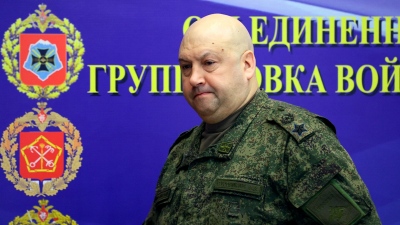
A US military operation against Venezuela would face fierce resistance and prove to be anything but easy, estimates Alexander Stepanov, a military analyst at the Russian Institute of Law and National Security.
"A US military operation against Venezuela would pose an existential threat to the current Maduro government and the sovereignty of the Bolivarian Republic, and would not be an easy walk," the expert emphasizes.

They possess advanced weapons
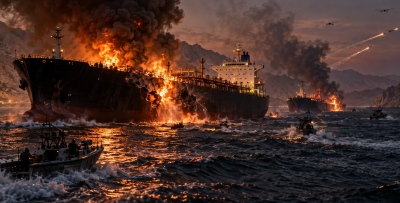
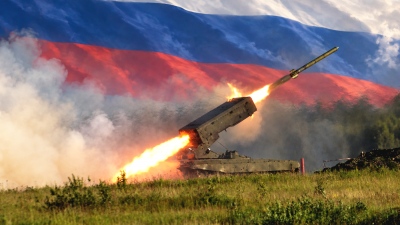
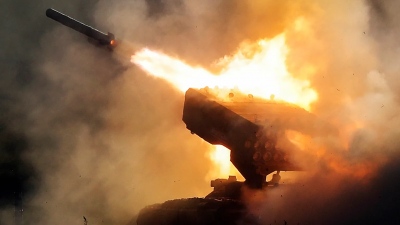
As he states, the Venezuelan armed forces are equipped with advanced weapons capable of inflicting significant damage on US naval vessels, such as Russian Su-30MK aircraft, Chinese anti-ship missiles, and Iran's "dark fleet" of fast attack craft. These weapons could pose serious risks to the US Navy.
Days are numbered
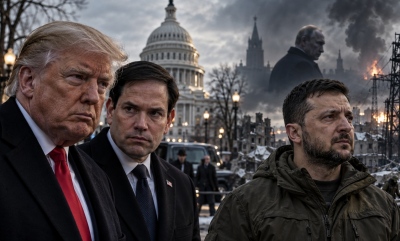
With Donald Trump issuing stern warnings and claiming that Venezuelan President Nicolás Maduro "has his days numbered," calls for regime change are becoming increasingly intense. However, a full-scale US invasion remains a difficult prospect, according to many military analysts, foreign policy experts, and think tank scholars.

High-risk operation
Despite the insurmountable global military power of the US, Venezuela's unique challenges, ranging from its rugged geography and combat-ready military to fierce regional resistance and the risk of a protracted guerrilla war, could turn any intervention into a high-risk dead-end operation. Venezuela is not a small target. It spans approximately 916,000 square kilometers—twice the size of Iraq—and is home to about 28 million people, a factor that could place severe strain on US military forces.
At least 50,000 soldiers required
Experts from the Center for Strategic and International Studies (CSIS) estimate that a credible US invasion to overthrow Maduro would require nearly 50,000 troops, and this number could rise to over 100,000 if efforts to restore order after the invasion are included. The human toll could be very high, as US forces would face not only conventional resistance but also urban warfare in densely populated Caracas, as well as guerrilla warfare along the Orinoco River and in the Andes mountains.

Nightmare
Logistical nightmares would complicate the issue. Supply lines stretching from US bases in Florida or Colombia would be vulnerable to disruption, while Venezuela's air defenses, reinforced by Russian S-300 systems and US-sourced F-16 aircraft, could cause significant losses to incoming planes. As Evan Cooper and Alessandro Perri of the Stimson Center note, even targeted attacks carry "high operational costs" and the risk of escalating into full-scale war, without any guarantee that the regime would collapse.

Defection unlikely
Venezuela's armed forces, numbering approximately 150,000 active personnel, have been "coup-proofed" through fragmented command structures and loyalty tests, making defection unlikely. Analysis from the Cato Institute draws strong parallels with the 2011 intervention in Libya, where NATO air power overthrew Muammar Gaddafi but ignited nationalist fanaticism, splitting the country into militias and creating ISIS affiliates.
Chaos and destruction
In Venezuela, experts fear a similar reaction: "The Venezuelan armed forces remain loyal to Nicolás Maduro, and a US intervention could reinforce Venezuelan nationalism, triggering a protracted internal conflict," the report states. After the invasion, the chaos could be catastrophic. Armed "collectives" (pro-regime militias, estimated to number about 100,000 members) and drug traffickers would exploit the vacuum, possibly aligning with Colombian rebels like the ELN, who already control areas near the border.

Deadlock
A senior National Security Council official described this scenario as "a no-win situation that could become a cause célèbre conflict for criminal or illicit armed groups in the Americas," pitting jihadist-type fighters against US forces. The International Crisis Group agrees, warning of a "guerrilla war" if high-ranking officers resist a new government, complicating the control of ports, airports, and oil fields.
Reactions from Colombia and Brazil
Colombian President Gustavo Petro has already condemned the US airstrikes on drug vessels, calling it an escalation and promising not to support attacks from his country's territory, as well as sharing information with Caracas. Brazilian leader Luiz Inácio Lula da Silva has called for restraint, and even US allies, such as Argentina, are turning towards China due to the perception of American unreliability.
Rallying against imperialism
Experts such as Aníbal Sánchez Ismayel, a political analyst from Venezuela, predict unification: The attacks will provoke "diplomatic protests, increased political persecution" and rally the population against "imperialism." The Council on Foreign Relations (CFR) emphasizes the reluctance of regional armies, which are limited to small peacekeeping roles, such as in Haiti, making multilateral support impossible.

The cost is huge
The costs extend beyond the battlefield. Venezuela sits atop one of the world's largest oil reserves, and conflict could skyrocket global prices by 10% to 20%, hitting American consumers already battered by inflation. Nathan Sales, former US Counterterrorism Coordinator, warns that civilian casualties from attacks would "escalate relations with partner governments" and diminish support in vital regional parts.
The example of Afghanistan
Furthermore, air campaigns against drug routes have traditionally failed—US efforts in Afghanistan did little to harm the Taliban's finances—potentially worsening smuggling and migration, with another 7.8 million refugees overloading neighboring countries such as Colombia and Brazil. Harvard economist Ricardo Hausmann, who advises the Venezuelan opposition, has mentioned the idea of multilateral forces to avoid "excessive Yankee intervention," but even he acknowledges the difficulty of implementation due to regional resistance.
They will bring China closer
Cooper and Perri of the Stimson Center conclude that such actions risk rendering the US a "pariah" and accelerating Latin America's shift towards Beijing. In Venezuela, third-party mediation—Russia (arms supplier) or China (oil creditor)—could internationalize the conflict, turning a regional tension into a great power confrontation. As the International Crisis Group warns, "Washington should be wary of regime change and be honest about the costs, risks, and potential consequences of a deeper intervention."
Easy victories are an illusion
Overall, while a US show of force may put pressure on Maduro, experts across the spectrum—from CSIS strategy proponents to Crisis Group diplomats—agree that an invasion would require enormous resources, would face asymmetric resistance, would alienate allies, and would have uncertain results. As Trump weighs his next move, the lesson is clear: Easy victories are illusions in the complex geopolitics of Latin America.
www.bankingnews.gr
The strongest military in the world, as President Trump claims, will not have an easy task if it decides to invade the country with its vast oil deposits. On the contrary, experts suggest that the Americans will face enormous resistance that could even escalate into an existential threat to the US. Specifically, they point out that a military invasion would be a deadly trap and an explosive framework, with soaring oil prices and a new humanitarian crisis. The question is no longer just whether the Americans can carry out such a military mission, but whether it is ultimately "worth it."
Resistance and struggle
A US military operation against Venezuela would face fierce resistance and prove to be anything but easy, estimates Alexander Stepanov, a military analyst at the Russian Institute of Law and National Security.
"A US military operation against Venezuela would pose an existential threat to the current Maduro government and the sovereignty of the Bolivarian Republic, and would not be an easy walk," the expert emphasizes.
They possess advanced weapons
As he states, the Venezuelan armed forces are equipped with advanced weapons capable of inflicting significant damage on US naval vessels, such as Russian Su-30MK aircraft, Chinese anti-ship missiles, and Iran's "dark fleet" of fast attack craft. These weapons could pose serious risks to the US Navy.
Days are numbered
With Donald Trump issuing stern warnings and claiming that Venezuelan President Nicolás Maduro "has his days numbered," calls for regime change are becoming increasingly intense. However, a full-scale US invasion remains a difficult prospect, according to many military analysts, foreign policy experts, and think tank scholars.
High-risk operation
Despite the insurmountable global military power of the US, Venezuela's unique challenges, ranging from its rugged geography and combat-ready military to fierce regional resistance and the risk of a protracted guerrilla war, could turn any intervention into a high-risk dead-end operation. Venezuela is not a small target. It spans approximately 916,000 square kilometers—twice the size of Iraq—and is home to about 28 million people, a factor that could place severe strain on US military forces.
At least 50,000 soldiers required
Experts from the Center for Strategic and International Studies (CSIS) estimate that a credible US invasion to overthrow Maduro would require nearly 50,000 troops, and this number could rise to over 100,000 if efforts to restore order after the invasion are included. The human toll could be very high, as US forces would face not only conventional resistance but also urban warfare in densely populated Caracas, as well as guerrilla warfare along the Orinoco River and in the Andes mountains.
Nightmare
Logistical nightmares would complicate the issue. Supply lines stretching from US bases in Florida or Colombia would be vulnerable to disruption, while Venezuela's air defenses, reinforced by Russian S-300 systems and US-sourced F-16 aircraft, could cause significant losses to incoming planes. As Evan Cooper and Alessandro Perri of the Stimson Center note, even targeted attacks carry "high operational costs" and the risk of escalating into full-scale war, without any guarantee that the regime would collapse.
Defection unlikely
Venezuela's armed forces, numbering approximately 150,000 active personnel, have been "coup-proofed" through fragmented command structures and loyalty tests, making defection unlikely. Analysis from the Cato Institute draws strong parallels with the 2011 intervention in Libya, where NATO air power overthrew Muammar Gaddafi but ignited nationalist fanaticism, splitting the country into militias and creating ISIS affiliates.
Chaos and destruction
In Venezuela, experts fear a similar reaction: "The Venezuelan armed forces remain loyal to Nicolás Maduro, and a US intervention could reinforce Venezuelan nationalism, triggering a protracted internal conflict," the report states. After the invasion, the chaos could be catastrophic. Armed "collectives" (pro-regime militias, estimated to number about 100,000 members) and drug traffickers would exploit the vacuum, possibly aligning with Colombian rebels like the ELN, who already control areas near the border.
Deadlock
A senior National Security Council official described this scenario as "a no-win situation that could become a cause célèbre conflict for criminal or illicit armed groups in the Americas," pitting jihadist-type fighters against US forces. The International Crisis Group agrees, warning of a "guerrilla war" if high-ranking officers resist a new government, complicating the control of ports, airports, and oil fields.
Reactions from Colombia and Brazil
Colombian President Gustavo Petro has already condemned the US airstrikes on drug vessels, calling it an escalation and promising not to support attacks from his country's territory, as well as sharing information with Caracas. Brazilian leader Luiz Inácio Lula da Silva has called for restraint, and even US allies, such as Argentina, are turning towards China due to the perception of American unreliability.
Rallying against imperialism
Experts such as Aníbal Sánchez Ismayel, a political analyst from Venezuela, predict unification: The attacks will provoke "diplomatic protests, increased political persecution" and rally the population against "imperialism." The Council on Foreign Relations (CFR) emphasizes the reluctance of regional armies, which are limited to small peacekeeping roles, such as in Haiti, making multilateral support impossible.
The cost is huge
The costs extend beyond the battlefield. Venezuela sits atop one of the world's largest oil reserves, and conflict could skyrocket global prices by 10% to 20%, hitting American consumers already battered by inflation. Nathan Sales, former US Counterterrorism Coordinator, warns that civilian casualties from attacks would "escalate relations with partner governments" and diminish support in vital regional parts.
The example of Afghanistan
Furthermore, air campaigns against drug routes have traditionally failed—US efforts in Afghanistan did little to harm the Taliban's finances—potentially worsening smuggling and migration, with another 7.8 million refugees overloading neighboring countries such as Colombia and Brazil. Harvard economist Ricardo Hausmann, who advises the Venezuelan opposition, has mentioned the idea of multilateral forces to avoid "excessive Yankee intervention," but even he acknowledges the difficulty of implementation due to regional resistance.
They will bring China closer
Cooper and Perri of the Stimson Center conclude that such actions risk rendering the US a "pariah" and accelerating Latin America's shift towards Beijing. In Venezuela, third-party mediation—Russia (arms supplier) or China (oil creditor)—could internationalize the conflict, turning a regional tension into a great power confrontation. As the International Crisis Group warns, "Washington should be wary of regime change and be honest about the costs, risks, and potential consequences of a deeper intervention."
Easy victories are an illusion
Overall, while a US show of force may put pressure on Maduro, experts across the spectrum—from CSIS strategy proponents to Crisis Group diplomats—agree that an invasion would require enormous resources, would face asymmetric resistance, would alienate allies, and would have uncertain results. As Trump weighs his next move, the lesson is clear: Easy victories are illusions in the complex geopolitics of Latin America.
www.bankingnews.gr


Σχόλια αναγνωστών