

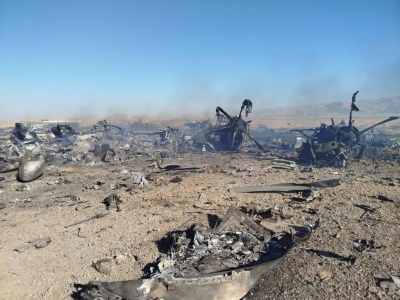
Venezuela finds itself confronted with a new, multi-level humanitarian crisis after the powerful earthquakes in late June 2026, which caused extensive destruction to critical infrastructure, including water supply and sewerage networks, as well as a large part of the health system.
The destructions have led to widespread population displacements, with thousands of people now living in temporary camps under extremely precarious hygiene conditions, a fact that dramatically intensifies the risk of epidemics.
Alarm over potential cholera outbreak
International health organizations, including the World Health Organization (WHO) and UNICEF, have placed the region in a state of increased alert for a potential outbreak of cholera, due to the severe contamination of water and the collapse of basic infrastructure.
Cholera, a particularly dangerous waterborne disease, can spread rapidly in conditions of inadequate hygiene, rendering displaced populations especially vulnerable.
Collapse of water supply networks and critical shortage of clean water
According to estimates by humanitarian organizations, the destruction of water supply infrastructure has created conditions of extensive water pollution, while access to clean drinking water has been dramatically restricted in many regions.
This situation is considered a primary risk factor for the emergence of waterborne diseases, with health authorities warning that even small pockets of contamination can evolve into broader epidemics.
UNICEF and WHO in emergency WASH operation
UNICEF and the WHO have prioritized interventions in the WASH (Water, Sanitation and Hygiene) sector, aiming at the restoration of access to clean water and basic hygiene conditions.
The interventions include:
1) restoration of water supply networks
2) distribution of clean water and disinfection materials
3) installation of temporary hygiene infrastructure in camps
At the same time, humanitarian organizations are attempting to restrict the risk of epidemics before it takes on uncontrollable dimensions.
Health pressure and collapse of hospitals
The health system of the country is already operating at its limits, with hospitals destroyed or overloaded by the injured of the earthquakes and shortages in medical personnel and basic materials.
The conditions in the camps of displaced persons are characterized by overcrowding and inadequate hygiene, a fact that creates fertile ground for the spread of infectious diseases.
Spike in deaths following the disaster
Venezuela now counts thousands of dead after the two powerful earthquakes of 7.2 and 7.5 Richter that struck the country in late June 2026, with the authorities announcing officially that the toll has exceeded 1,700 dead and warning that the final number may increase dramatically as operations continue in the rubble.
The heaviest blows are recorded in coastal areas and mainly in the state of La Guaira, where entire neighborhoods have been leveled and hundreds of buildings have collapsed.
Mass missing persons and race against time in the ruins
At the same time, the country finds itself confronted with an unprecedented crisis of missing persons, as tens of thousands of people remain unaccounted for, with estimates speaking even of over 40,000 to 60,000 missing persons at a national level.
The rescue operations continue under extremely difficult conditions, with shortages in heavy machinery, network disruptions and continuous aftershock activity, while international rescue teams and volunteers attempt to locate survivors in the ruins.
Humanitarian suffocation and fear of further increase in victims
The authorities and the United Nations warn that the real toll may increase significantly, as thousands of injured remain in overloaded hospitals and many more find themselves trapped under destroyed buildings, while the humanitarian situation deteriorates hour by hour.
The rescue operations and the provision of aid continue under a state of emergency, with international organizations warning that the country finds itself confronted not only with a natural disaster, but with an evolving humanitarian crisis of a large scale.






Σχόλια αναγνωστών