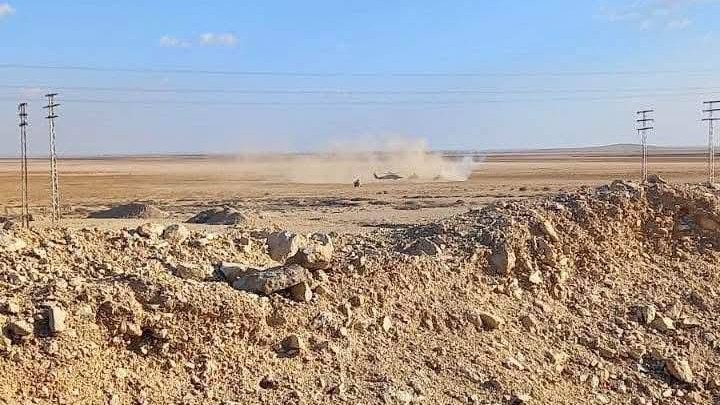
In late November 2025, Israeli forces came face to face with local but determined resistance in the city of Beit Jinn, southwest of Damascus, at the foothills of Mount Hermon.
The clash did not have the character of a large scale military operation, however its political and strategic significance is disproportionately great.
Losses were roughly equivalent, around 10 dead on each side, yet, as almost always happens, Israeli forces responded with indiscriminate fire, causing the deaths of civilians and once again confirming that the concept of “security” for Tel Aviv is synonymous with collective punishment.
Far more revealing than the clash itself was the reaction of the Israeli media.
Within a few hours, conflicting and often mutually contradictory narratives appeared, which testify more to panic and confusion than to a clear picture of what actually happened on the ground.
Israeli “schizophrenia” and the narrative of complicity
Initially, Israeli media, including Channel 13, claimed that the operation was carried out “in coordination with the Syrian security services”.
This claim places the regime of the jihadist president of Syria, al-Julani (al-Sharaa), in an extremely difficult position, as it implies that the new regime in Damascus not only tolerates but actively cooperates with the Israeli army.
In essence, this constitutes the implementation of the statements of the American ambassador to Turkey, Thomas Barrack, who had made it clear that “the new Syria will cooperate with the United States against Hezbollah and Hamas”.
However, when this version began to provoke reactions and challenges, other Israeli channels rushed to present a new theory, that one of the Syrian martyrs was allegedly connected to the intelligence services of the Tahrir al-Sham regime.
Thus, an attempt was made to retroactively legitimize the attack, with the argument that Israel had the right to strike a “convoy of Syrian Al Qaeda”.
The Israeli researcher Elizabeth Tsurkov, described by many analysts as an agent of the Mossad, went even further, describing the resistance fighters as “former local insurgents” who in the past enjoyed Israeli support in their struggle against Assad.
This claim resembles manipulation more than substantiated analysis, especially given that real resistance organizations have already claimed responsibility for the clash.
From Lebanon to Syria - Searching for an “enemy”
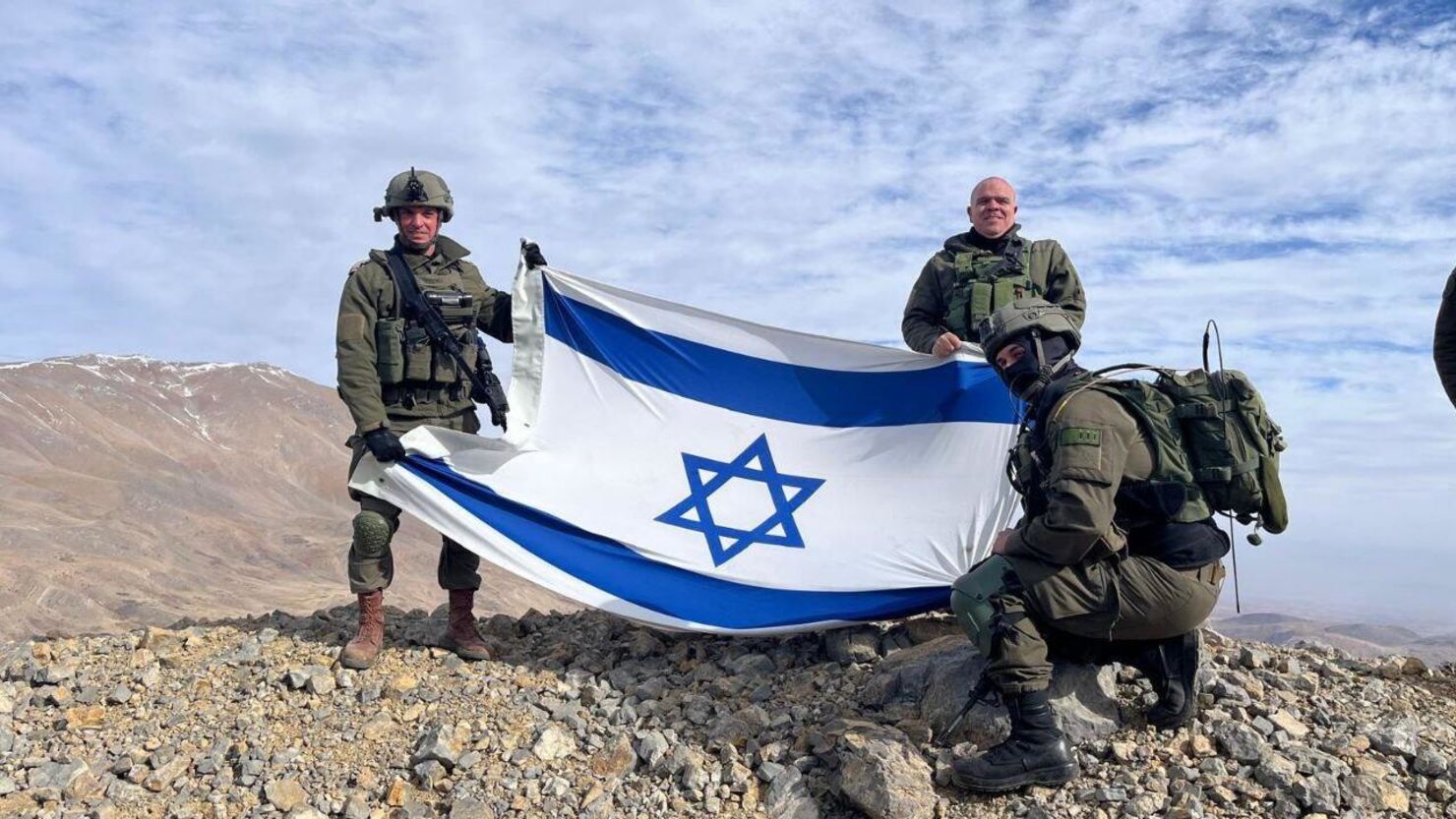
The most widespread version ultimately promoted by the Israeli media was that the fighters belonged to the Islamic Group of Lebanon.
The organization itself immediately denied the claim, clarifying that its action against Zionism is limited within Lebanese borders.
Immediately afterward, Tel Aviv claimed that it seized telecommunications equipment belonging to the “Islamic Front of Syria”, an umbrella that includes various resistance groups, even Alawites from the Syrian coast, who for a long time had hinted that they act against Zionist expansionism in the south.
This constant shifting of the narrative reveals something critical, Israel either does not know who is really resisting it, or, more likely, it is preparing the ground for further military intervention and seizure of Syrian territory.
The “David Corridor” and the repetition of the Lebanese scenario
Israel does not have the luxury of retreat.
For two basic reasons.
First, in order to achieve the military creation of the so called “David Corridor”, within the framework of the IMEC plan, which aims at controlling critical trade and energy routes.
Second, due to new geopolitical realities, the strengthening of cooperation between Hezbollah and Turkey is leading Israel to apply in Syria the same tactics it used in Lebanon in the 1980s, tactics that culminated in its humiliating expulsion in 2000.
If history repeats itself, the outcome in Syria may be even more painful for the Israeli venture.
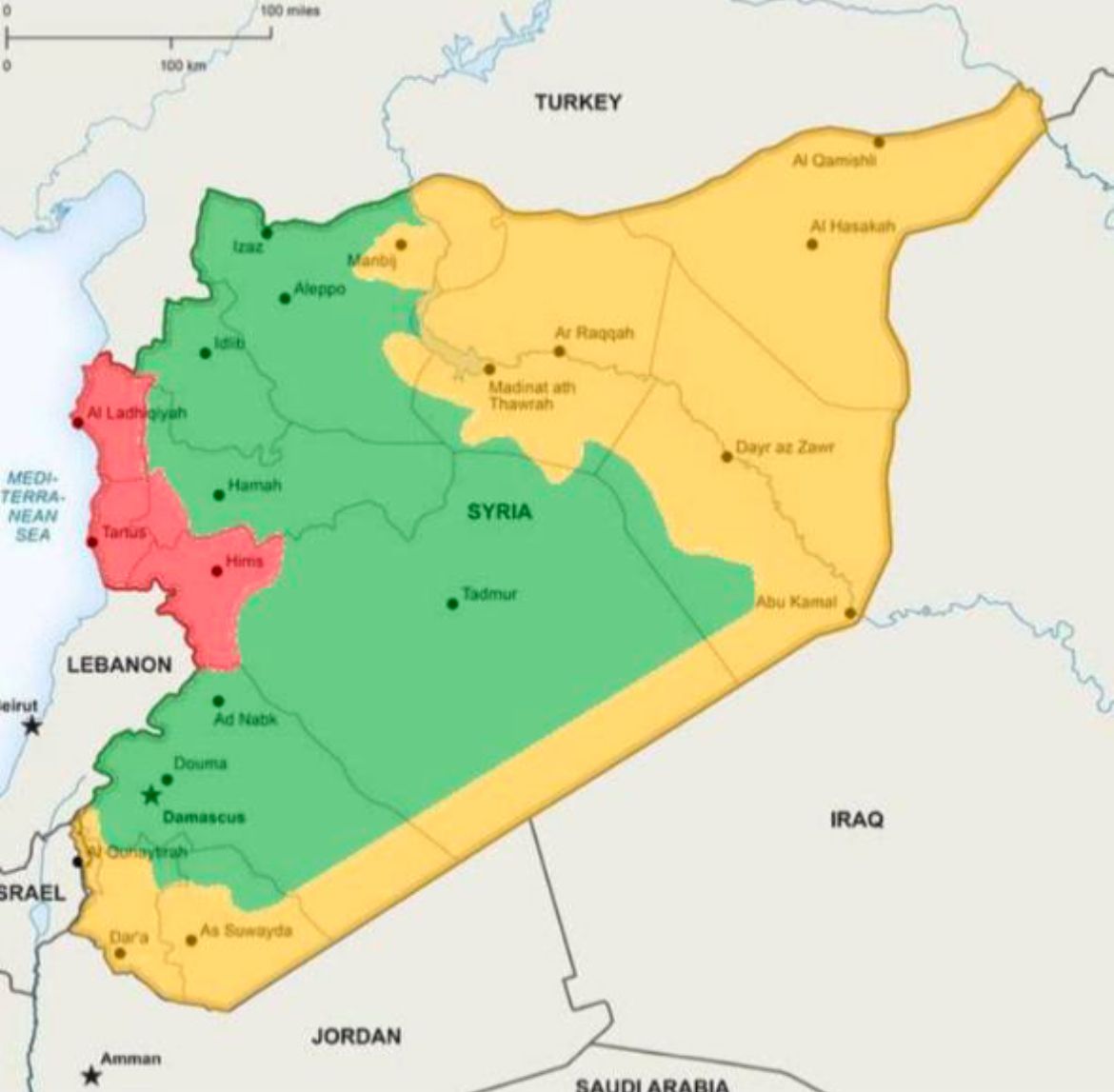
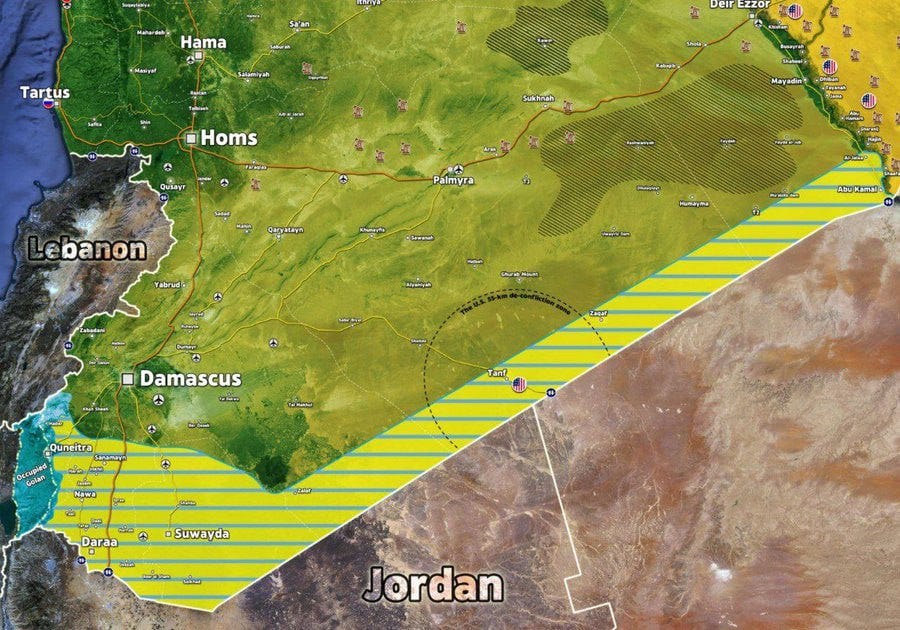
The David Corridor, the geopolitical vision of Israel, connects the occupied Golan Heights with southeastern Syria and extends toward the border with Iraq.
Turkey, Iran and Chinese pressure
Turkey is at a critical crossroads.
For an entire year, Israel humiliated Ankara, even after the contribution of both sides to the collapse of the Assad regime.
Israeli strikes went so far as to bomb Turkish presence and unilaterally draw “red lines” in the “new Syria”.
Turkey’s need to restore its prestige makes its cooperation with Hezbollah and the IRGC almost inevitable.
At the same time, China is exerting intense pressure, as Beijing views IMEC as a threat to the Silk Road and demands that Ankara, the key link, assume an active role against Israeli expansion.
The birth of a unified resistance front - Who is behind the phantom organization
The most important element, however, is the inability of Israeli narratives to arrive at a coherent conclusion regarding who the members of the Syrian resistance were.
This alone suggests that in the south a living, multi tendency resistance movement is emerging.
“For decades, ideological adversaries, Baathists, SSNP, leftists, political Sunnis, Ikhwan, were unable to coexist in a common anti Zionist front.
Today, after the fall of Assad and, above all, after the almost undisguised Israeli intervention that reached the gates of Damascus, many of these contradictions are fading,” notes geopolitical analyst Damir Nazarov.
The fact that the Syrian Social Nationalist Party (SSNP) now honors martyrs of the Lebanese Islamic Group would have seemed unthinkable just one year ago.
In reality, it does not matter which organization the martyrs belonged to.
What matters is that the Southern Syrian Resistance Front now includes former members of Syrian Hezbollah, Palestinians loyal to Hamas, Lebanese Ikhwans, Alawites of the Islamic Resistance, former soldiers of the Syrian army and members of the SSNP, all under the umbrella of the Islamic Resistance Front.
Who is ultimately fighting against Israel
The idea that the al-Julani regime is helping the resistance is pure fiction.
His desire for peace agreements with Israel precludes any serious confrontation.
If there was any “assistance”, it came either through Turkish channels or from former elements of the Assad regime in cooperation with Iran.
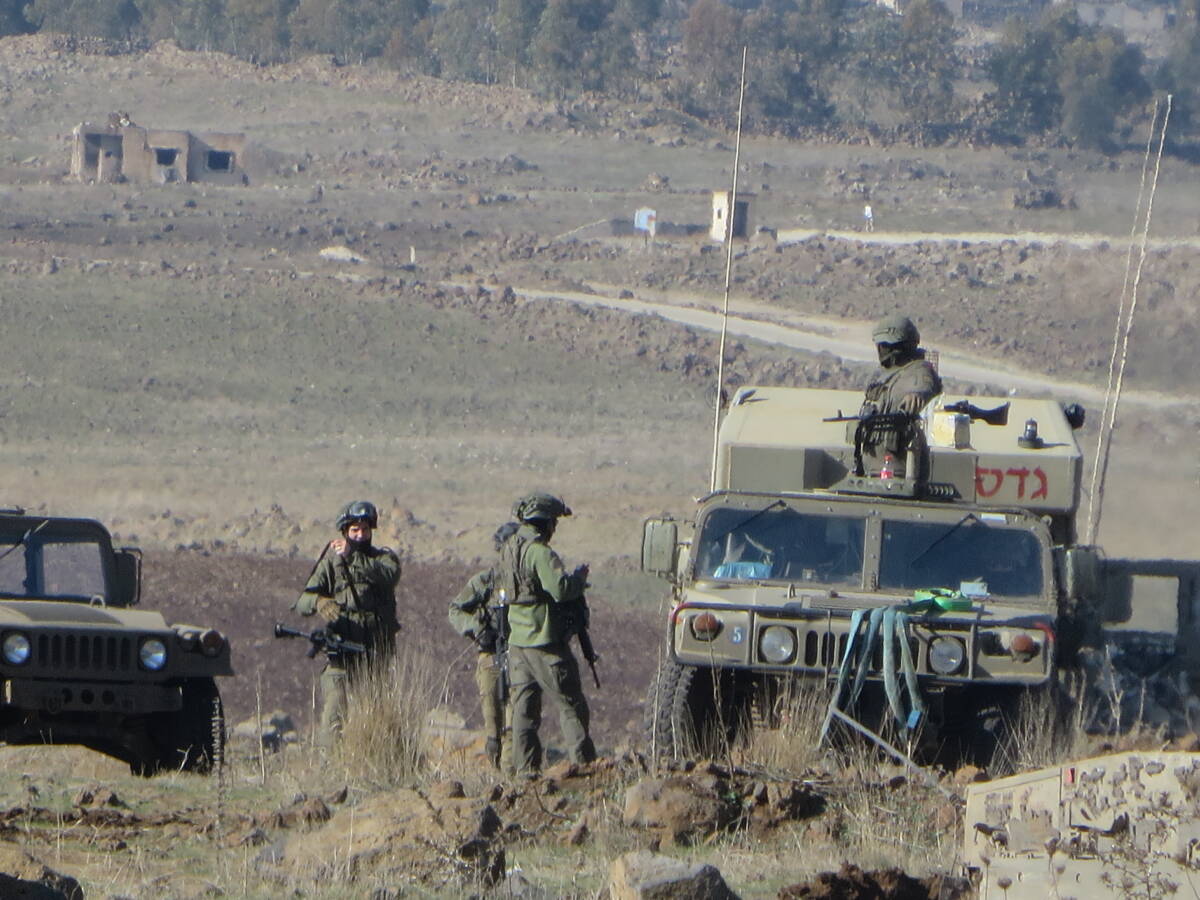
The image of an HTS convoy moving unimpeded next to an Israeli patrol in Quneitra speaks for itself.
In stark contrast, Abu Jihad of the Syrian Islamic Front fell fighting during a raid against the Israelis.
Southern Syria clearly shows who is acting and who is paying with blood the resistance against Israel.
And this distinction, however much the narrative of Tel Aviv attempts to blur it, is becoming increasingly clear.
Massacre with American soldiers among the victims
The attacks of the phantom organization against Israeli forces take on an even greater dimension, as for the first time since Syria’s integration into the Western coalition, the United States was also targeted.
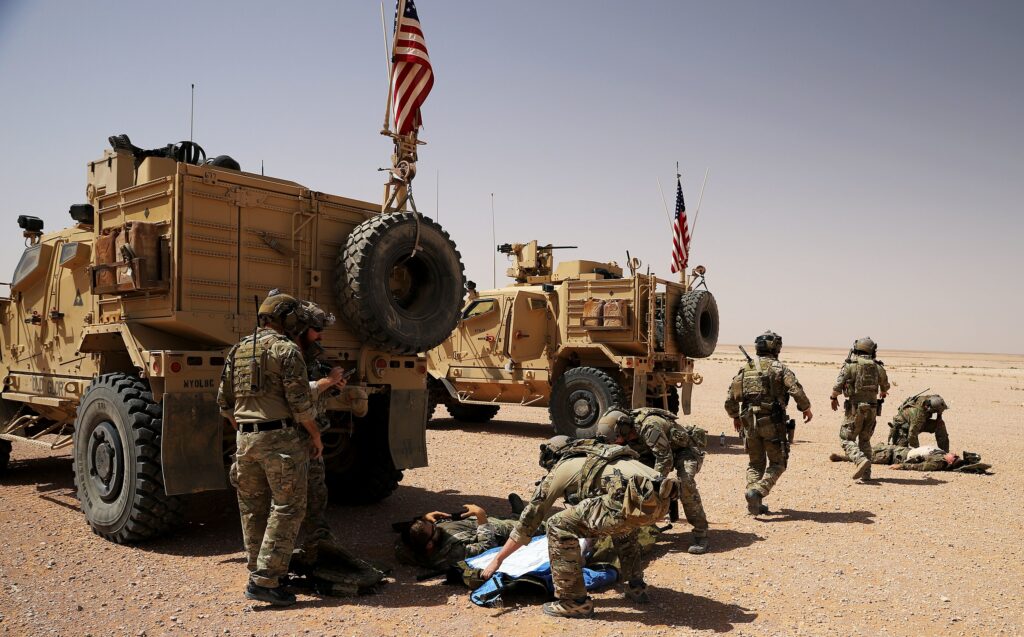
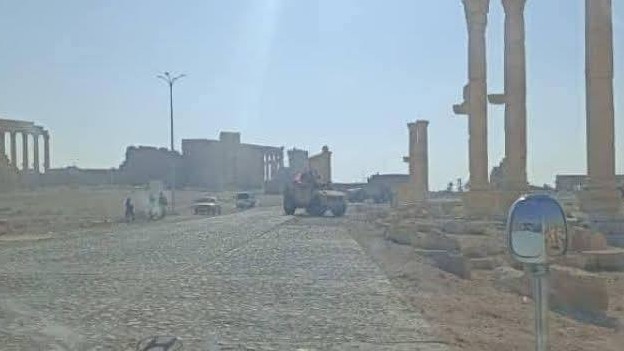
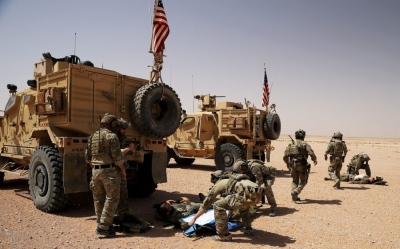
On 13 December 2025, two American soldiers and one Syrian civilian interpreter were killed, while three more soldiers were wounded, in an armed attack in the central Syrian city of Palmyra.
The attack occurred during a meeting of the Americans with Syrian security forces, within the framework of contact with local “leadership figures”.
According to the United States, the perpetrator was a lone gunman and was neutralized by “allied forces”, that is, by the Syrian security forces themselves.
The U.S. Secretary of Defense, Pete Hegseth, issued a harsh statement, stressing that whoever targets Americans “will be hunted down and eliminated without mercy”.
Officially, the United States attributed the attack to ISIS.
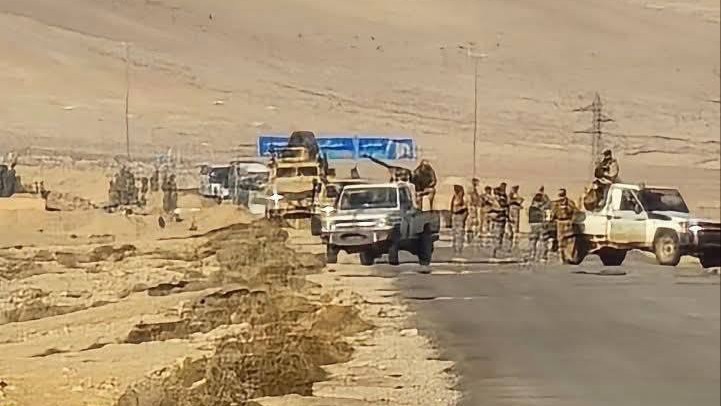
However, according to Reuters and three local officials, the perpetrator was a member of the Syrian security forces themselves.
The information was first revealed by Saleh al-Hamoui, former commander of Hay’at Tahrir al-Sham (HTS), stating that the gunman was a bodyguard of the head of security in Palmyra.
Other Islamist activists identified him as Tariq Satouf al-Hamad.
Whether the Palmyra attack was organized directly by ISIS or constituted an isolated act by a radicalized individual, it is considered by many as a harbinger of a broader uprising, or even internal conflict, within the Syrian regime itself.
www.bankingnews.gr




Σχόλια αναγνωστών