

Berlin and Rome are facing growing domestic pressure to repatriate their gold reserves held at the Federal Reserve Bank of New York, amid escalating geopolitical tensions and doubts regarding the role of the Federal Reserve as custodian.
Germany and Italy, which possess the second and third largest gold reserves in the world, are confronting intensifying internal calls for the return of the gold bars stored in New York.
In total, these reserves exceed $245 billion, an amount corresponding to more than one third of the gold they hold abroad.
Germany holds about 3,352 tonnes of gold, of which 1,200 tonnes, valued at approximately €113 billion, remain deposited in New York.
Italy holds around 2,452 tonnes, with a similar share stored in the United States.
Calls for repatriation have intensified following recent statements by the President of the United States, who questioned the independence of the Federal Reserve, as well as within the broader context of mounting geopolitical uncertainty.
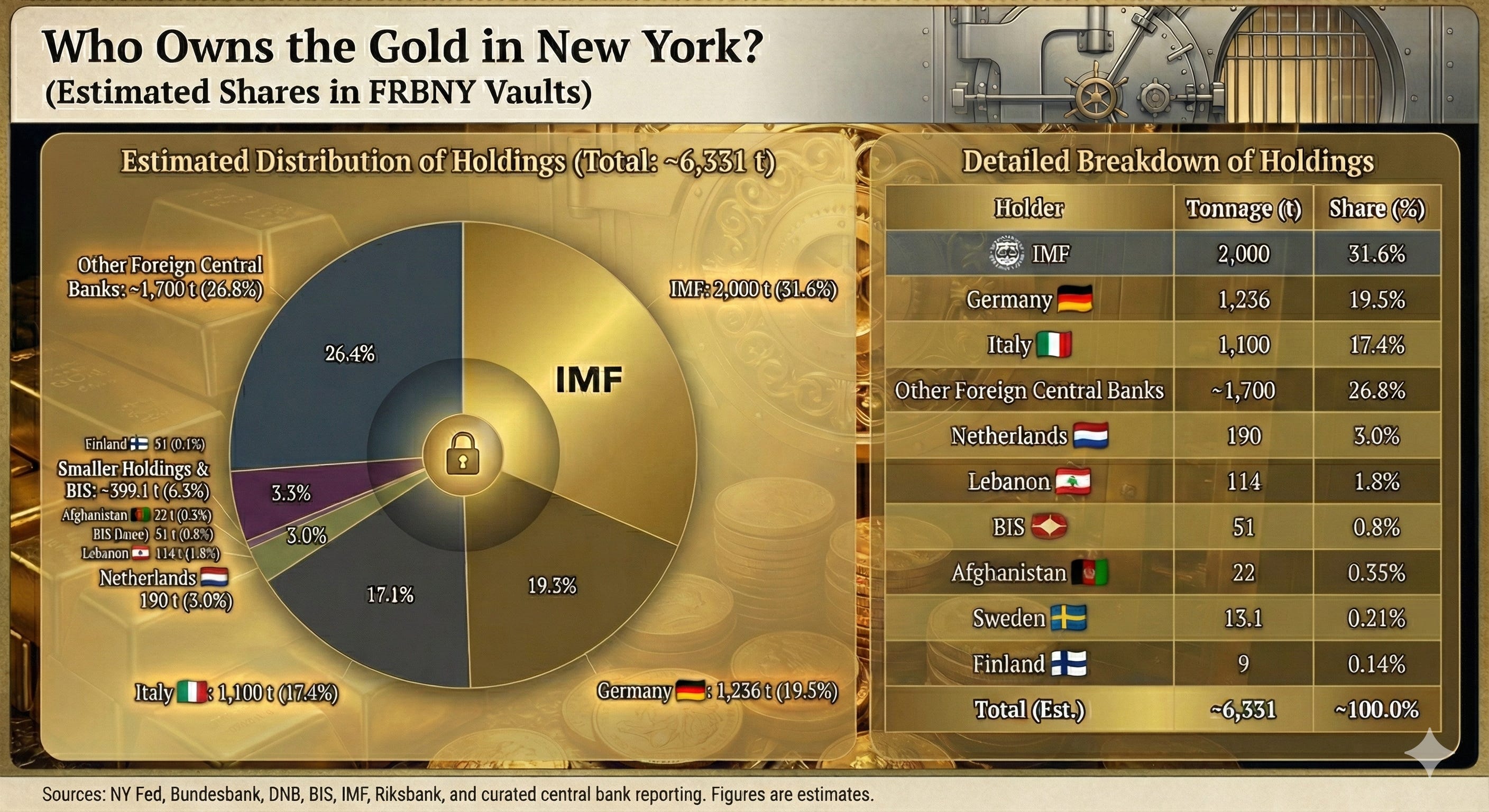
The German Taxpayers’ Association, along with senior politicians of the Christian Democratic Union (CDU), called on the Bundesbank and the Ministry of Finance to retrieve the gold from American custody.
In response, the Bundesbank reiterated its confidence in the Federal Reserve, citing a long standing custodial relationship rooted in the guarantees of the Cold War era.
The institution stated that it considers the Fed a “reliable and trustworthy partner”, while also emphasizing that repatriation efforts between 2013 and 2020 had already resulted in the return of more than 600 tonnes of gold to Frankfurt.
Previous repatriation operations included the transfer of approximately 300 tonnes from New York and 374 tonnes from the Banque de France to Germany between 2013 and 2020, at an estimated logistical cost of around €7 million.
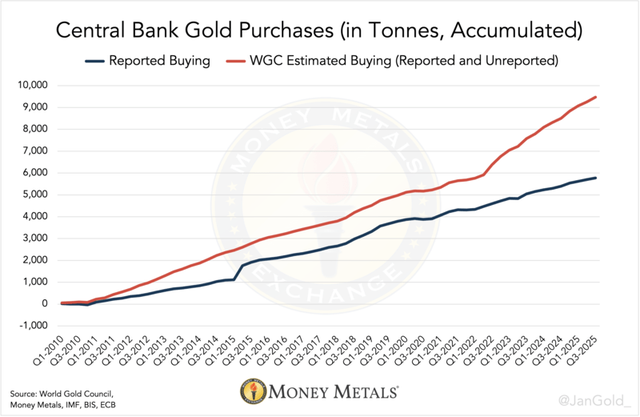
The resurgence of repatriation demands reflects broader international trends, as countries such as the Netherlands, Hungary and India have in recent years recalled gold reserves from foreign vaults.
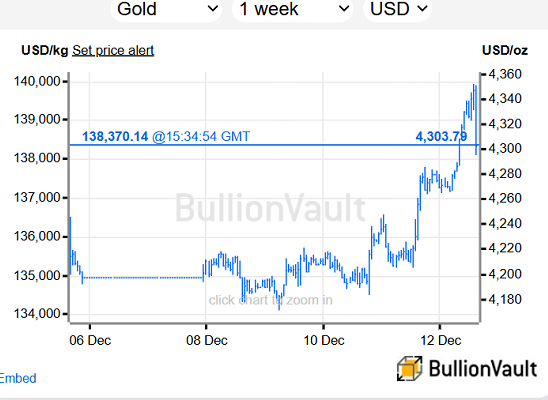
Italy, although with less public debate, keeps roughly one third of its gold reserves at the Federal Reserve Bank of New York.
Similar calls for repatriation have also emerged within Italian political circles, as transatlantic relations come under strain.
Analysts note that repatriation would entail significant operational challenges, including secure transport and verification procedures. Some German lawmakers have even proposed physical on site inspections of the reserves in New York, in order to verify compliance.
This evolving debate signals a shift in perceptions surrounding the custody of national reserves and highlights the growing role of geopolitical considerations, particularly with regard to trust in American financial institutions, in shaping international financial policy.
www.bankingnews.gr












Σχόλια αναγνωστών