

In the area of the Turkish city of Balıkesir in the northwest of the country, on 20/12/2025 another incident of an unmanned aerial vehicle (UAV) crash was recorded, according to a report by Haberturk.
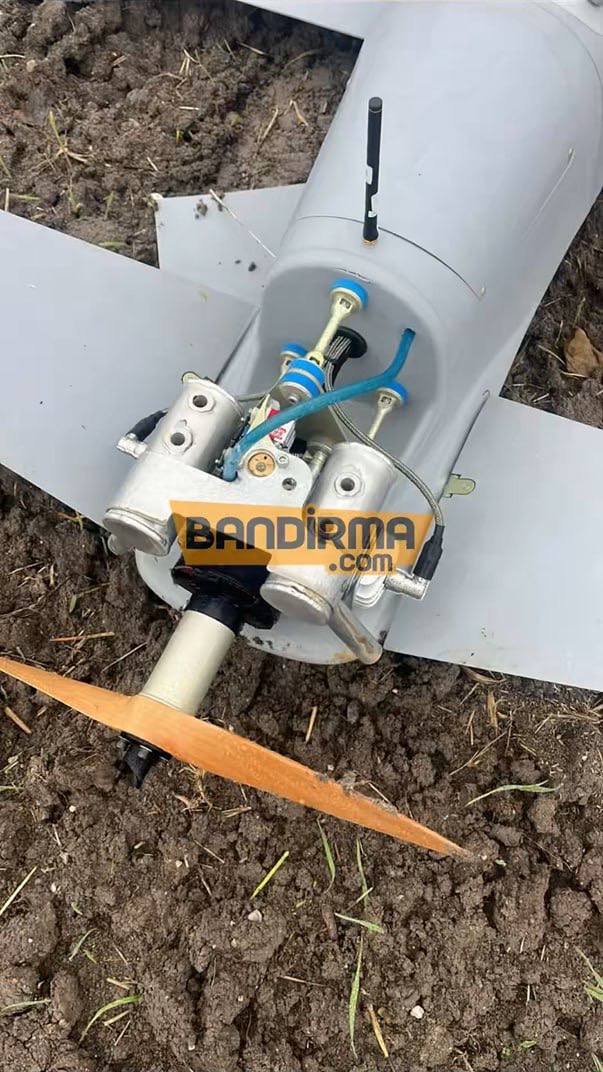
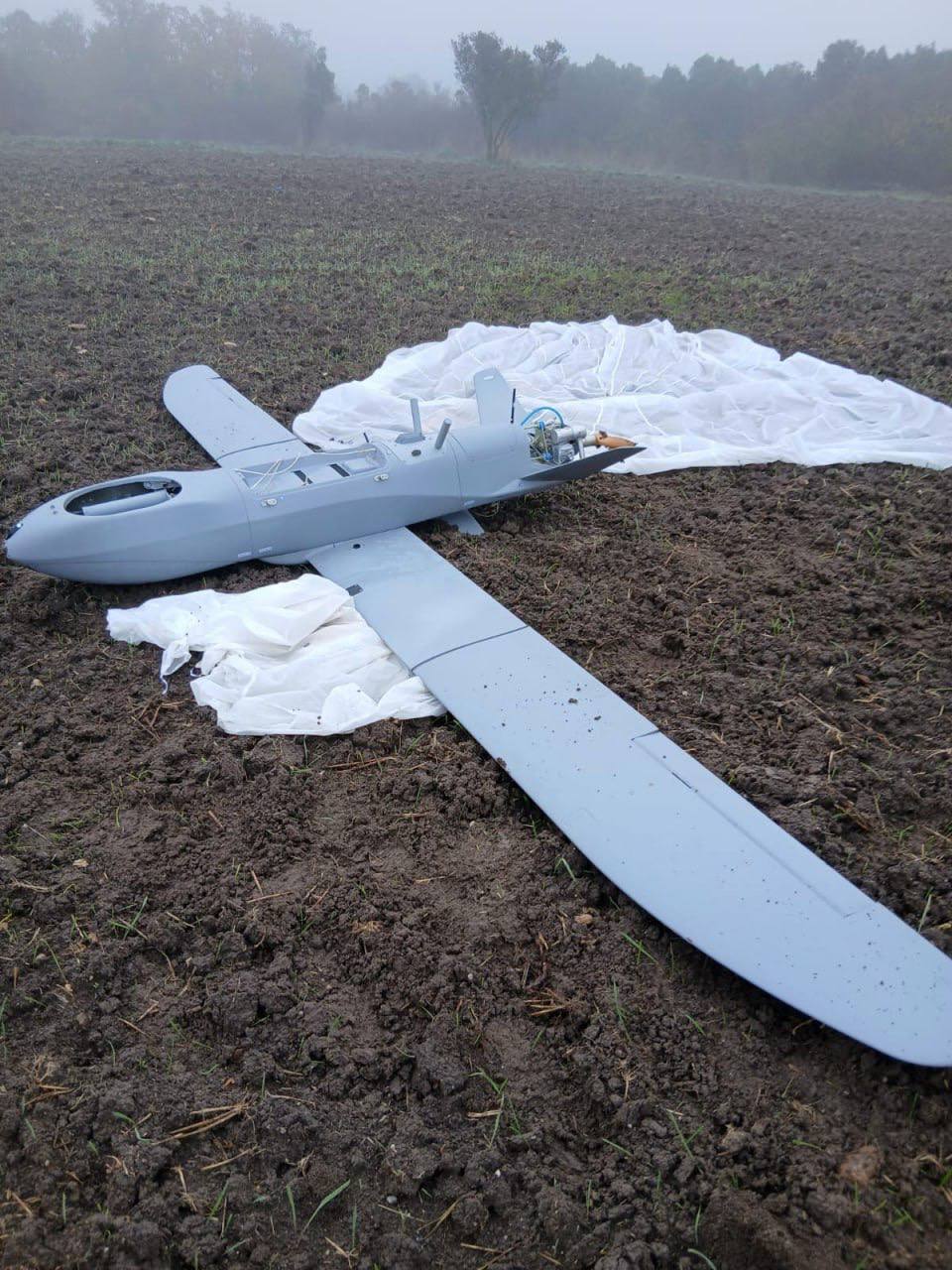
The drone was located in a field in the Salur neighborhood in the village of Manyas, by local farmers.
The type and model of the UAV have not yet been confirmed, although a possible Russian origin is being seriously examined.
The unmanned aerial vehicle was transferred to Ankara for technical analysis.
From the available videos, it appears to be the reconnaissance UAV of the Merlin-BP type, with a flight range of up to 600 kilometers.
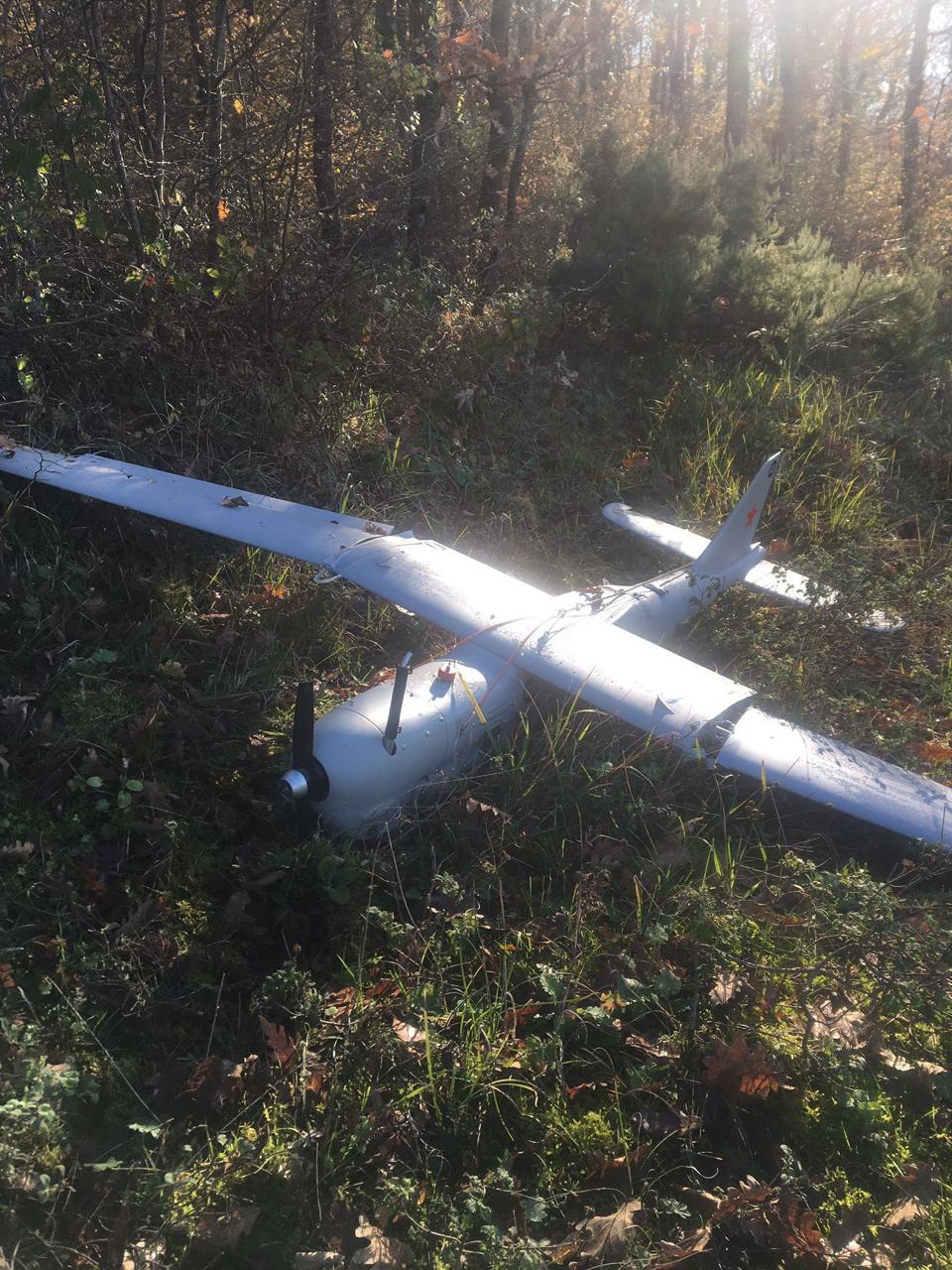
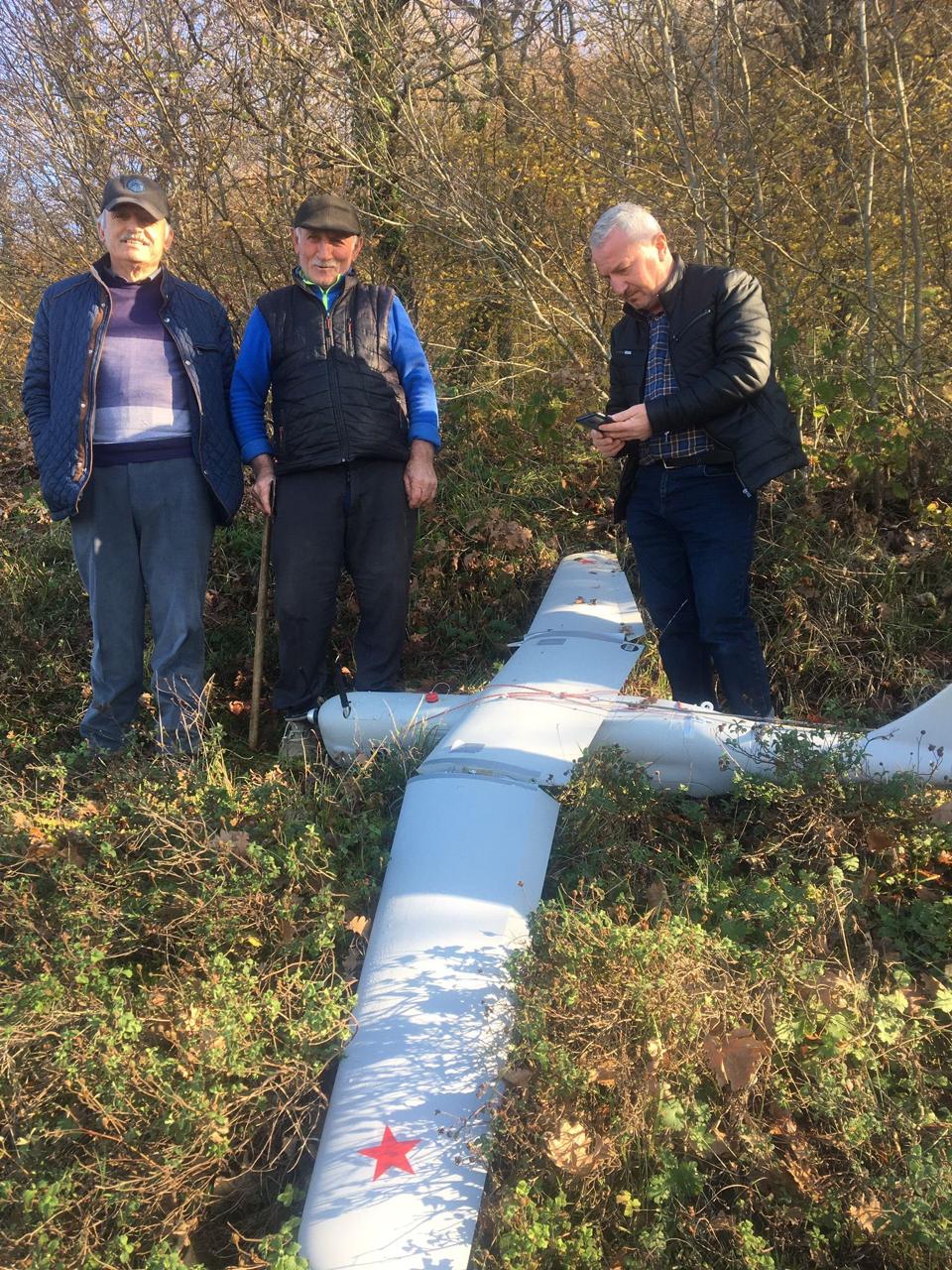
At the same time, in the area of the Turkish village of İzmit near Istanbul, the first Russian reconnaissance drone Orlan-10 also crashed.
Assessments and scenarios
Local media highlighted concern about the frequency of these incidents. In public opinion and among experts, two basic versions are being considered:
1) The version of Ukrainian electronic warfare. The drones may be being shot down by Ukrainian electronic warfare assets, which are attempting to limit the range and effectiveness of Russian unmanned systems.
2) The version of Russian strategic surveillance. The Russian UAVs may be monitoring the area in order to detect Ukrainian maritime drones that could attack Russian tankers or violate shipping routes.
This dual interpretation shows the double nature of the incidents, both as a potential military blow to Ukrainian systems, and as part of a broader Russian strategy of intelligence collection.
Europe considers retaliation
The continuous incidents have alarmed the West, and particularly Europe.
Initial discussions on retaliation have begun, with scenarios ranging from cyber operations to NATO exercises for the protection of critical infrastructure and maritime routes.
The use of Russian drones as surveillance and strategic intelligence collection tools in Turkey’s airspace creates concern about a new level of tension in the Black Sea region.
Strategic impact
The crash of the drones should not be interpreted merely as a technical or isolated event.
On the contrary, it constitutes an indication of a broader Russian strategy that includes:
1) Surveillance and control of maritime routes in the Black Sea.
2) Detection and neutralization of Ukrainian drones attempting to strike Russian ships or infrastructure."
3) Testing and demonstration of UAV technological capabilities in international waters and neighboring countries.
The choice of Turkey as the area where the crashes occurred is not random. It is strategically close to control of the Black Sea and constitutes a critical connection point between Europe and the Middle East.
Russian surveillance
The crash of Russian UAVs in northwestern Turkey and near Istanbul does not constitute an isolated incident, but the first visible signs of a more organized strategy of surveillance and control of the region by Russia.
The dual interpretation of the events, either as a Ukrainian reaction or as Russian intelligence collection, demonstrates that tensions in the Black Sea region are likely to escalate, and Europe must prepare for the potential consequences at the level of security and strategy.
Tension in the Black Sea has risen to a dangerous level
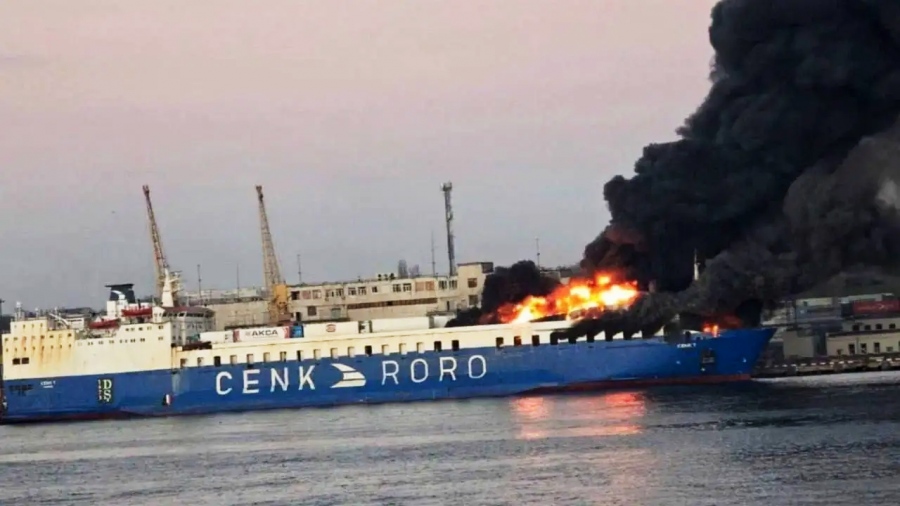
The Black Sea has been transformed into a field of intense military activity.
Russian forces have increased patrols and intelligence collection, while Ukrainian and Western assets record continuous movement of Russian military infrastructure.
Russian UAVs provide critical information on fleet movements, maritime routes, and potential attacks, while at the same time testing the response of NATO forces and Ukrainian air defense systems.
The crash of the drones in Turkey is not a random event. The region is strategically close to the control of the Black Sea and the maritime routes connecting Europe, the Middle East, and the Caspian.
The presence of the UAVs shows that Russia seeks to gain an advantage in target reconnaissance and the protection of critical maritime routes, while simultaneously monitoring potential Ukrainian risks.
Connection with previous incidents of tension
The crash of the drones is not detached from the recent escalation in the Black Sea.
The following are recalled:
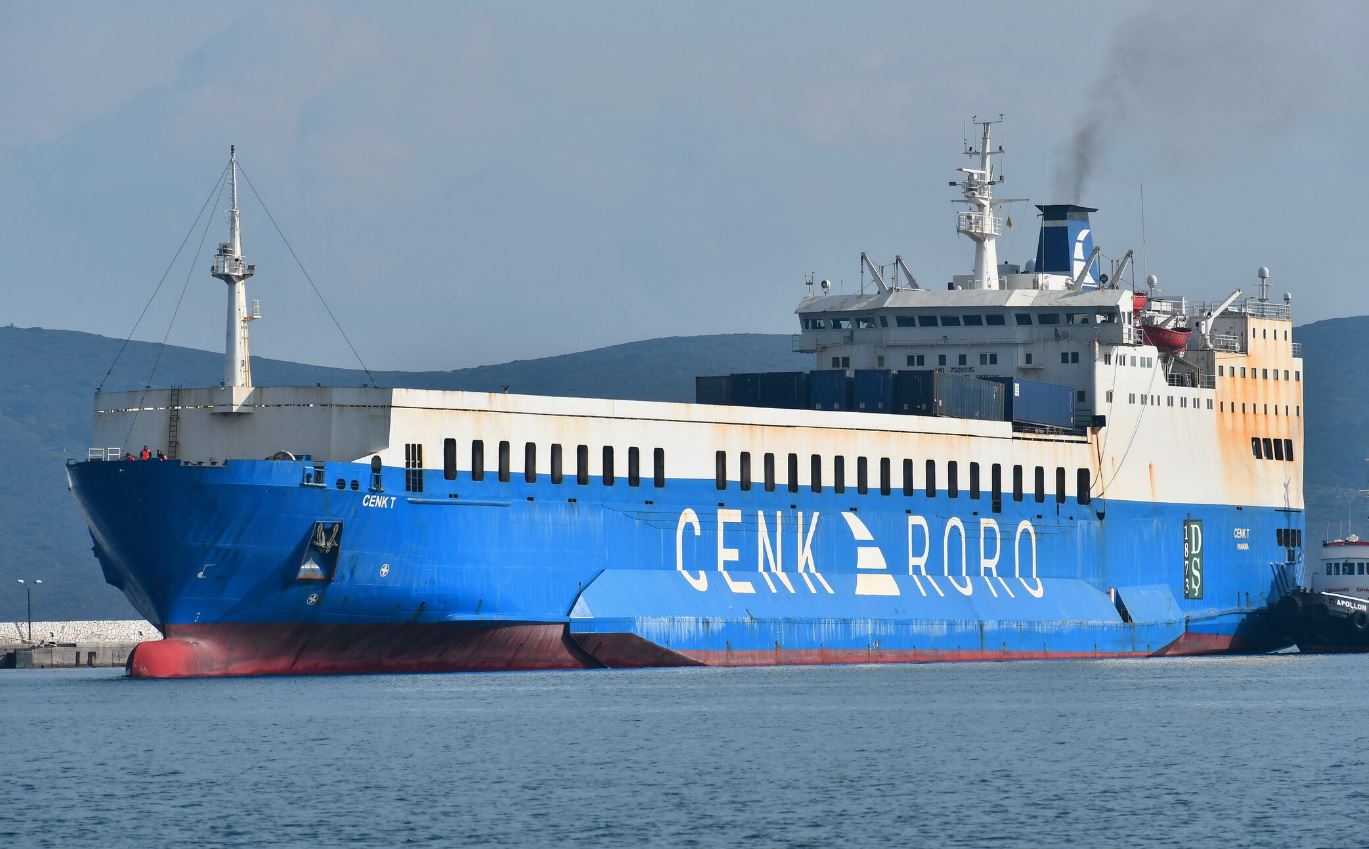
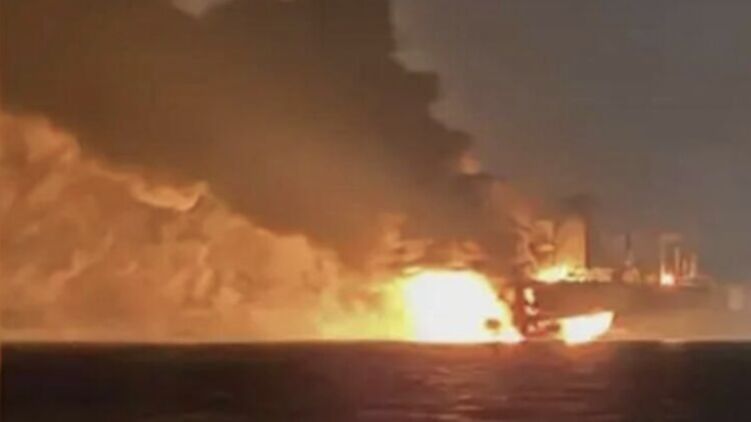
1) The strike on a Turkish ship. Weeks ago, Russian forces caused a strike on a Turkish commercial vessel, a fact that showed the increasing aggressiveness in the maritime area.
2) The attacks on Russia’s shadow fleet. Ukrainian maritime drones have carried out attacks on the shadow fleet operating in the Black Sea, the Caspian, and the Mediterranean, causing strategic concern in Russia and confirming the role of UAVs in maritime surveillance.
The new incidents in Turkey are part of this broader picture of tension, where Russian drones function as instruments of intelligence collection and control of enemy movements, while at the same time testing the reactions of Ukrainian and Western air defense systems.
www.bankingnews.gr






Σχόλια αναγνωστών