

American officials report major progress, while Russia remains cautious.
The upcoming meeting between U.S. President Donald Trump and his Ukrainian counterpart, Volodymyr Zelensky, likely on December 28, 2025, at Mar-a-Lago in Florida, serves as a sign that significant diplomatic progress has been achieved in negotiations for a peace plan to resolve the Ukrainian crisis. This is because Trump had signaled he would only meet Zelensky if he believed a deal was within reach. Indeed, the Ukrainian president argued that "much can be settled by the New Year," noting that he is approaching this meeting "with new ideas" that could bring peace closer. Russia, however, remains skeptical. Moscow has hinted that it rejects the 20-point plan recently released by Zelensky as unacceptable, with Russian official Yuri Ushakov stating he does not expect any improvement in the peace proposal. Nevertheless, the Kremlin revealed that Vladimir Putin was briefed by his envoy, Dmitriev, regarding contacts with Witkoff and Kushner and gave the order for dialogue to continue. Amidst these rapid diplomatic developments, the Russian president hastened to signal that Russia will not retreat regarding the Donbass, while implying he could consider some minor territorial concessions in the spirit of what he had agreed upon with Trump in Alaska.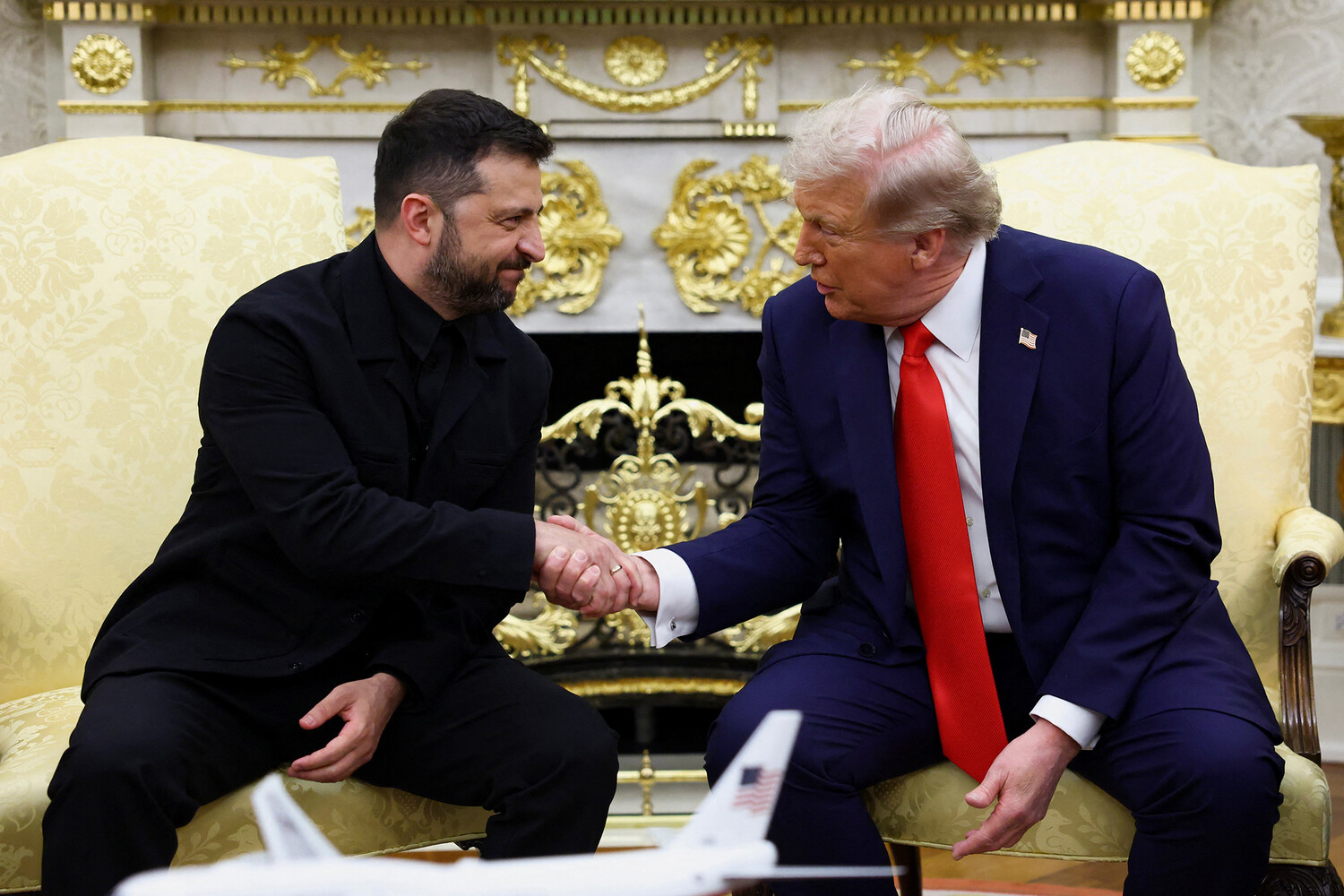
Sealing the peace plan
A report by Axios states that the meeting between Trump and Zelensky on 12/28 aims to "seal" their agreement regarding the U.S. peace plan. The meeting is cited as an indicator of significant progress in negotiations, as Trump previously stated he would only meet Zelensky if a deal was nearly finalized.
Not a single day wasted
"We are not losing a single day. We have agreed on a high-level meeting with President Trump in the near future. Much can be decided before the New Year," Zelensky said in a message on X following a briefing from his top negotiator, Rustem Umerov. Ukrainian officials told Axios the meeting will take place Sunday. The White House did not immediately respond to a request for comment.
Feverish negotiations
The scheduled presidential meeting follows a weekend of talks in Florida between Trump advisers Steve Witkoff and Jared Kushner and top negotiators from both Russia and Ukraine—the latest in a series of meetings over the last two months. A senior American official described the talks with Umerov and Russian envoy Kirill Dmitriev as "positive and constructive."
Pushing the ball into the goal
"We have gone as far as we could with the Russians and the Ukrainians. We have made more progress in the last two weeks than in the entire past year. We want to push the ball into the goal. We are heading in the right direction," the American official stated.
Constant talks
Discussions continued throughout Christmas. Zelensky spoke yesterday, Thursday, December 25, with Steve Witkoff and Jared Kushner. "We are truly working 24/7 to bring the end of this brutal Russian war against Ukraine closer and to ensure all documents and steps are realistic, effective, and reliable. I hope the Christmas understandings and ideas we discussed today prove useful," Zelensky said following his call. Later on Thursday, Witkoff and Kushner held additional discussions with Ukrainian negotiators and Russian officials. The Kremlin announced today, 12/26, that Yuri Ushakov, President Putin's top foreign policy adviser, held talks with U.S. officials.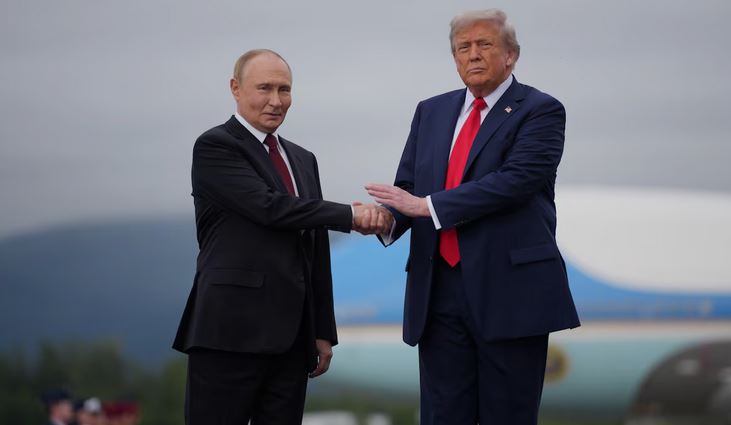
Ushakov (Russia): No significant improvement
In his statements, Ushakov left little room for optimism, emphasizing that changes introduced by Ukraine and EU representatives do not improve the peace plan. "I am certain that the proposals made or attempted by the Europeans together with the Ukrainians certainly do not improve the document and do not improve the possibility of achieving a long-term peace," Ushakov declared.
Peskov (Russia): Contacts with the US and Putin’s directive
Russia had contacts with the US after President Vladimir Putin was briefed by special envoy Kirill Dmitriev on the talks held December 20-21 in Miami with American officials Steve Witkoff and Jared Kushner. This was announced by Kremlin spokesperson Dmitry Peskov. According to Peskov, Dmitriev reported the results of the Miami negotiations. Following this report, the information was analyzed, and by order of President Putin, contact was established between representatives of the Russian and U.S. administrations. "It was agreed to continue the dialogue," Peskov noted. It is highlighted that Dmitriev discussed the 20-point peace plan, which emerged from an original 28-point document that was revised after U.S.-Ukraine negotiations in Geneva.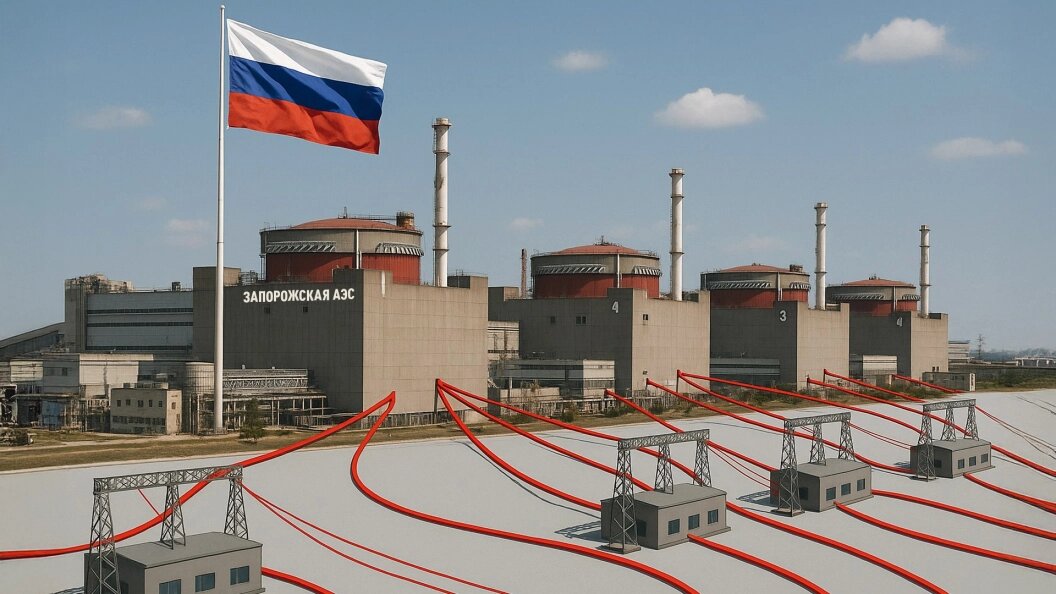
No retreat in Donbass
During a meeting with top Russian businessmen at the Kremlin on the night of December 24, the Russian president revealed details of his plan and his talks with Donald Trump. According to Russian media, Putin signaled he is open to a territorial exchange of lands controlled by Russian forces. However, he clarified he would make no retreat regarding the Donbass. According to Kommersant, Putin argued the Russian side is still ready for the concessions made in Anchorage, while declaring "the Donbass is ours." Specifically, Putin wants full control of the Donbass, but outside this region, "a partial exchange of territories is not ruled out." Further details on these concessions were not provided. Putin emphasized during his annual press conference that his goals remain: Ukraine's withdrawal from all of the Donbass, Zaporizhia, and Kherson, as these territories are now part of the Russian Federation. Moscow states it will not discuss these lands. Furthermore, the Russian president made it clear that Kyiv must officially abandon its goal of joining NATO. Putin repeated that in Alaska, he made difficult concessions for an agreement with Trump. So far, the full details of the U.S. proposals have not been disclosed.
Why Trump wants the Zaporizhia nuclear plant
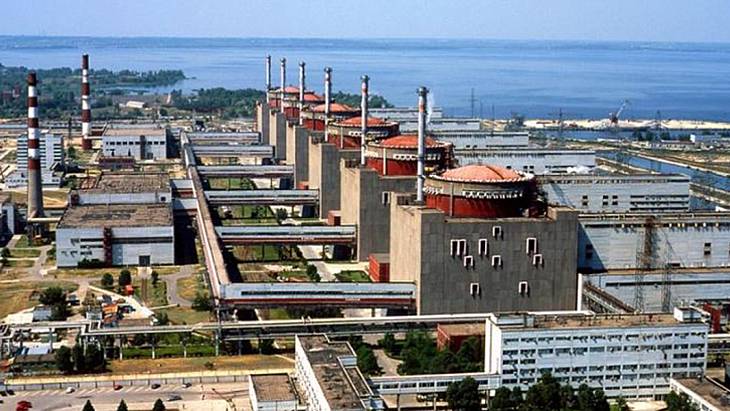
Putin’s revelation regarding why Trump is interested in the Zaporizhia nuclear plant was of immense interest. Putin said joint Russian-American management of the plant is under discussion. He highlighted that the U.S. has expressed interest in cryptocurrency mining near the facility and that the plant should be used to provide energy partially to Ukraine.
Most points agreed between US and Ukraine
Most elements of the deal have been agreed upon between the US and Ukraine, according to officials, including security guarantees Ukraine will receive from the US and Europe. A senior American official confirmed the US is ready to send the security guarantee, based on NATO Article 5 text, to the Senate for ratification. "The US and Europe will provide security guarantees. If Russia invades Ukraine, there will be a military response and sanctions will be reactivated," Zelensky told reporters. Zelensky noted sides are still negotiating who will manage Europe's largest nuclear plant in Zaporizhia.
The friction point
The main point of disagreement is Russia's demand to control the entire Donbass region in any deal, Axios reports. "The US has proposed that areas Ukrainian troops are asked to withdraw from become a demilitarized free economic zone. Zelensky has insisted on an equal withdrawal of Russian forces from the current line of control and emphasized that territorial concessions must be approved via referendum."
Why Zelensky is going to the US
Russian analyst Andrey Kortunov believes Zelensky wants to win Trump over and strengthen Ukraine’s position in the new 20-point version of the peace plan. "I think this is also a reaction to the Russo-American consultations in Florida. There, Dmitriev likely presented Russia's position, including the rejection of many points agreed upon by the Americans with the Ukrainians and Europeans." The expert emphasized a "battle for Trump" is underway regarding his final positions and who will take blame if the peace settlement fails.
Reactions from Russia
Dmitry Novikov of the State Duma argued Zelensky's plan is mere manipulation. "When sides truly want peace, they don't pretend Crimea and the Donbass aren't part of the Russian Federation. These facts are constitutionally anchored. Zelensky's plan is impossible to discuss seriously," the official stated. Alexey Chepa added that provisions on territories and the Zaporizhia plant are unacceptable. "We saw no specific mention of whether Ukraine will join NATO. Regarding Zaporizhia, we proposed a compromise for joint management with the US. Ukrainian participation only adds risk," the MP noted, adding that neither the US nor Russia have disclosed the preliminary agreements to prevent opposition forces from sabotaging the process.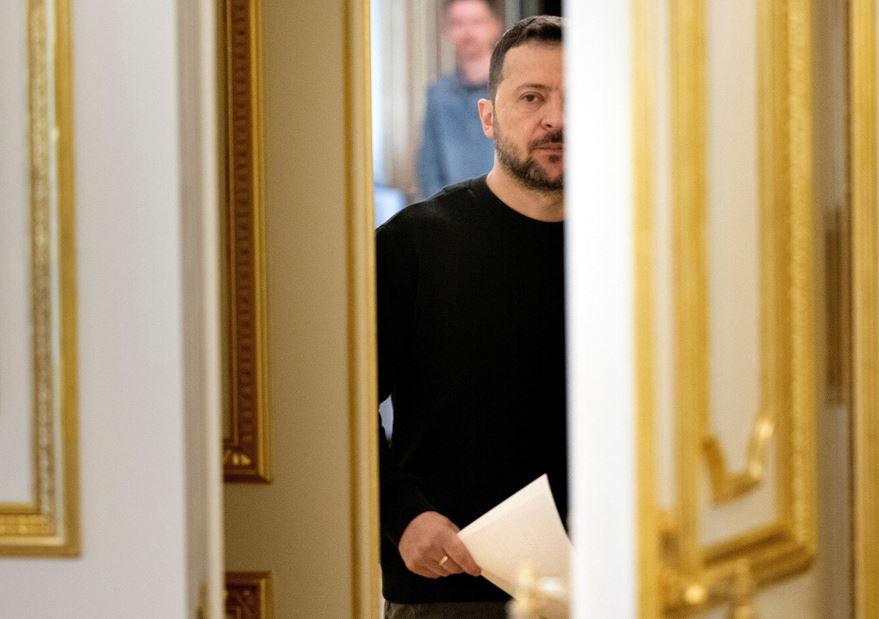
The Zelensky plan for territories and Zaporizhia
In the 20-point plan, one option is for Russia to withdraw from Dnipropetrovsk, Mykolaiv, Sumy, and Kharkiv. Zelensky states that in Donetsk, Luhansk, Zaporizhia, and Kherson, the current status is maintained: "we stay where we are." Moscow wants Ukraine to withdraw from Donetsk, while the US suggests a free economic zone. Kyiv says if no formula is reached, a referendum is required for such a zone. Zelensky thus leaves the possibility of a zone in the Donbass open.
What this means
First, it is unclear what this entails. Trump's plan previously mentioned a demilitarized zone under Russian control, where the Russian army would not enter but civil and security structures (FSB, Guard) would remain. Yuri Ushakov suggests Moscow agrees with this. Second, Zelensky might use the term "free economic zone" to mask readiness to withdraw troops from Donetsk, provided a referendum is held—a move Russia previously rejected because it requires a ceasefire that Moscow does not currently accept.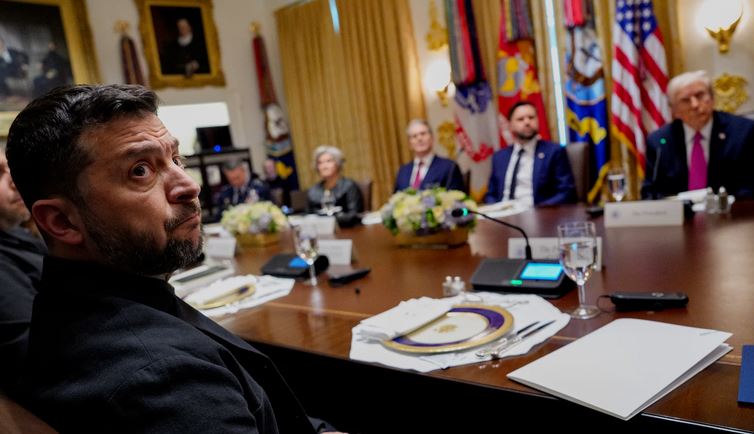
Zaporizhia nuclear plant pending
Zelensky noted a second unresolved point: the Zaporizhia nuclear plant. The US proposes joint management by Ukraine, the US, and Russia (33% each), with America as the lead manager. Ukraine proposes a 50-50 split with the US. Ukraine also demands the plant, Enerhodar, and the Kakhovka dam be demilitarized.
The 20 points of the plan
According to Zelensky, the peace plan includes:
-
Ratification of Ukraine's sovereignty.
-
Non-aggression agreement and monitoring of the contact line.
-
Security guarantees.
-
Ukrainian Armed Forces set at 800,000 in peacetime.
-
U.S., NATO, and Europe provide guarantees per Article 5.
-
Russia anchors non-aggression policy in law.
-
Ukraine joins the EU in a set timeframe.
-
Global development package via investment agreement.
-
Recovery funds aiming for $800 billion.
-
Accelerated free trade agreement with the U.S.
-
Non-nuclear status for Ukraine.
-
Status of Zaporizhia NPP.
-
Educational programs for tolerance and ending racism.
-
Status of occupied territories.
-
Obligation not to change agreements by force.
-
Unhindered use of the Dnieper and Black Sea.
-
"All for all" prisoner exchange.
-
Elections held immediately after signing.
-
Legally binding agreement overseen by a Peace Council led by Donald Trump.
-
Immediate cessation of hostilities upon approval.
www.bankingnews.gr



Σχόλια αναγνωστών