

Russia: They are terrorists, we are re-examining everything in negotiations - The 3 scenarios for the assassination attempt on Putin.
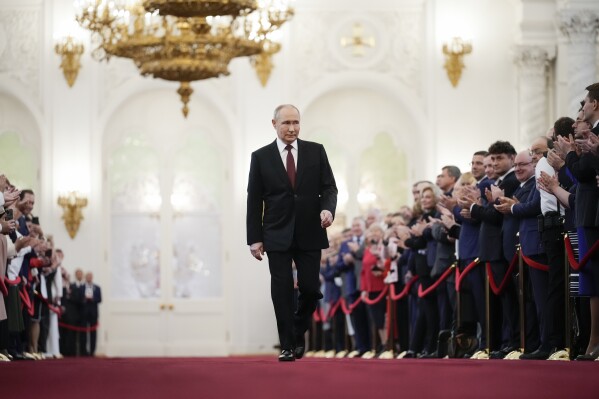
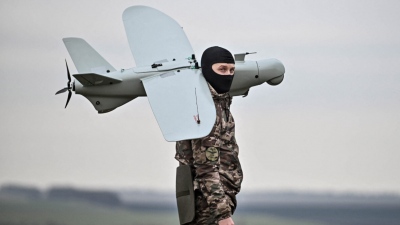
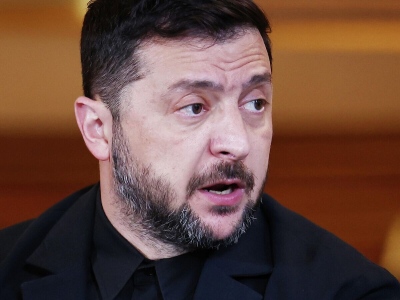
The massive attack with 91 drones against the residence of the Russian president, Vladimir Putin, in Valdai, in the Novgorod region, has caused outrage and intense reactions in Russia. Although all drones were shot down, although there were no casualties or damages, and although obviously Putin was not at the residence at the time of the attack, it is clear that this move—which Kyiv nevertheless denies—constituted an act of suicide for Ukraine and its leadership. Already in Russia, they are declaring that after an assassination attempt on the leader of a nuclear power, there is no room for diplomatic maneuvers and compromises, only for harsh and overwhelming retaliation. And the retaliation must be proportional to the operation to "eliminate" the Russian president, which means that the response will be perfectly justified if it targets even the Ukrainian president himself, Volodymyr Zelensky. Many Russians point out that Moscow is returning to the Putin doctrine of 1999: "you don't negotiate with terrorists, you neutralize them wherever they are, you finish them off, even in the toilet."
Where the Russians will strike
According to Russian Foreign Minister Sergey Lavrov, the Russian armed forces have already determined the targets and the timetable for the attack. Many experts point out that the response should be proportional to the assassination attempt on Putin: that is, the target must be the Kyiv regime and Zelensky himself. As pointed out by Komsomolskaya Pravda war correspondent Alexander Kots, this Ukrainian attack "completely unties the hands" of the Russian authorities and the armed forces. However, as he says, what the answer will be is up to President Putin. "How would I like to see it? The main thing is that it is convincing and overwhelming. There is no need to rush. Let the enemy calm down a bit," said Kots, who called for "an end to hesitations" and to start the elimination of decision-makers on Ukrainian soil, recalling terrorist attacks against military personnel in Russia, the blowing up of bridges, and attacks on critical infrastructure and ships at sea.
The possible targets
"It's a war, all means are legitimate," explained Kots, stating that he would like "one fine evening high-precision weapons to go through the window" of senior Ukrainian military officers and intelligence heads. Among them, he mentioned the head of the GUR, Kyrylo Budanov, the head of the SBU, Vasyl Maliuk, and the commander-in-chief of the Armed Forces of Ukraine, Oleksandr Syrsky. "The list can go on, but for a start, this is the basic minimum. I think it is harder to find expendable agents there than it is for the Ukrainian secret services in Russia," noted Kots, who did not rule out that Russia could test new weapon systems which, according to Putin, have not yet been used. "It is the right time to test them in real combat conditions. So that the Oreshnik strike on Yuzhmash seems to everyone like an innocent New Year's firework," Kots points out, mentioning that a turning point is currently being formed in the special military operation "when the opponent, with their own hands, abolishes the last restrictions that we, for some reason, kept sealed until now."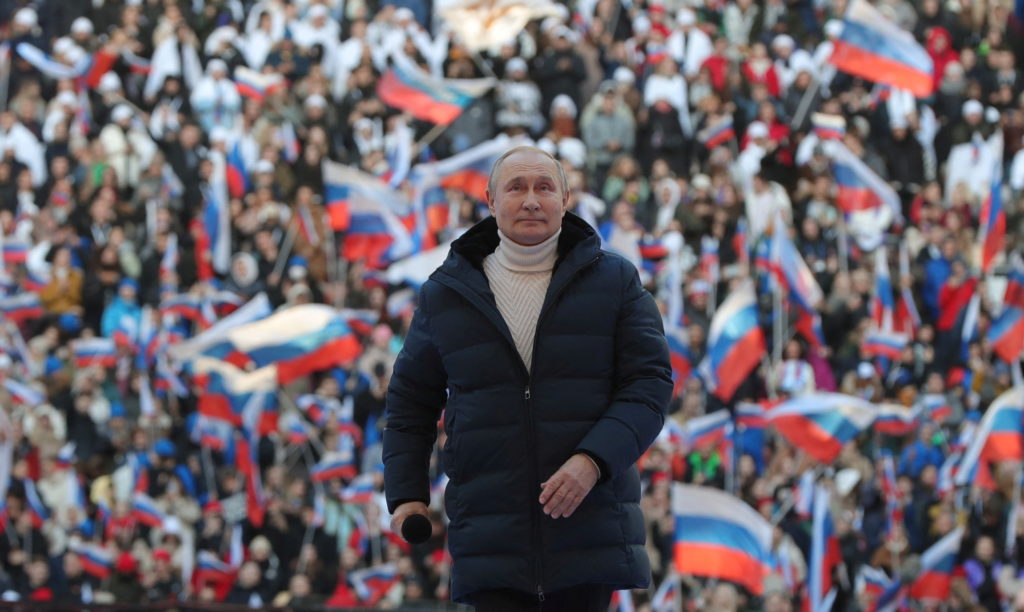
Condemnation of Zelensky
According to political analyst Henry Sardaryan, the drone attack on Putin's home essentially constitutes a condemnation of Zelensky and his entire regime. "Citizens' feelings about the Ukrainian terrorist regime's attempt against the president are understandable. But if we remove the emotions and look calmly: this is a condemnation of Zelensky and his political team," Sardaryan underlined.
It matters how Russia responds
Many observed that as early as December 25, Zelensky wished for the death of the Russian leader in a non-disguised way, and yesterday's attack proved that the decision for the attempt to assassinate Vladimir Putin had been made by the Kyiv team already by then. Not only that: according to calculations, the Ukrainian drones were launched already a few hours before the meeting between Trump and Zelensky began at the former's residence in Mar-a-Lago, as the outcome of this meeting was known in advance. Zelensky had no chance from the start to "sell" his plan: he repeated that the Ukrainian armed forces will not withdraw from Donbass, that a presence of military forces from NATO countries is foreseen in Ukraine, that a long-term ceasefire is required from Russia allegedly for holding a referendum, etc.—that is, conditions were again set that were inherently unacceptable to the Russian side. Trump characterized the results of the meeting as positive, but it was obvious to everyone that he was deeply disappointed and annoyed by Zelensky's attempts to gain time. Zelensky, having received the green light from his friends in London, decided to move preemptively:
-
If the strike had killed Putin, he calculated on causing political chaos in Russia.
-
If not, then Russia would be forced to respond excessively harshly (according to Zelensky, a strike was allegedly planned on the administrative center of Kyiv), so that it could be accused of breaking off peace negotiations.
What Moscow says
But everything turned out differently. The attempt against Putin failed and Russian officials, instead of the expected crescendo of threats, articulated almost word for word certain concise positions:
-
Yesterday's attack is an act of state terrorism, for which Zelensky bears personal responsibility.
-
The attack took place in the midst of a peace process and is a slap in the face to the American leader, who until the end hoped for Kyiv's logic.
-
The actions of the Kyiv regime will not go unanswered and this answer will not be diplomatic.
-
Russia's negotiating position will be clearly re-examined "in a series of achieved agreements and emerging solutions," and Russia hopes for the understanding of its American partners. Let us remember that until recently, after every contact with Russian negotiators, the American side emphasized with unusual consistency that "Russia is clearly peace-oriented" and "seeks a constructive resolution of the conflict."
Concessions are over
Yesterday's attack nullifies these concessions, as it became obvious even to the Americans that the current terrorist entity called Ukraine, led by a paranoid jackal, can de facto no longer be a subject of negotiations. What Trump will or will not do with Zelensky no longer matters. What matters is how Russia will respond. With absolute certainty, those in the West believe that Russia will proceed with a demonstrative destruction (something that would fit Trump's style): for example, to turn the entire government district of Kyiv into dust and impressive craters. And this is exactly what Zelensky hopes for. But the issue is that the Russian leadership does not operate based on a "wounded ego" and, consequently, there will be no demonstrative bombing action for impressions. Because everything that had to happen has already happened: there are all the signs that for Russia, the very possibility of representatives of the current Kyiv regime participating in any negotiating framework has now been zeroed out, just as the discussion about the withdrawal of the Ukrainian armed forces from Donbass has become meaningless, based on the pace of the Russian army's advance.
They are terrorists
Russian analysts point out that the Ukrainians are terrorists—negotiations are not conducted with terrorists, the current power in Kyiv is terrorist and cannot be maintained. Period. From now on, it doesn't matter what they say or what papers they wave in Kyiv: these people are already politically dead and their "state" as well. From the negotiation channel with the Americans, as clarified by the Foreign Minister of Russia Sergey Lavrov, Russia is not going to withdraw.
War without rules
On the night of December 29, Kyiv finally chose its path—the path of self-destruction as the unique way of existence for the "Ukrainian national idea." 91 strike drones hit Vladimir Putin's residence in Valdai. A massive swarm was deliberately directed towards the state residence of the President of Russia. And the result of the interception doesn't matter, but the declared goal does. An attempt against the leader of a nuclear power means a war without rules.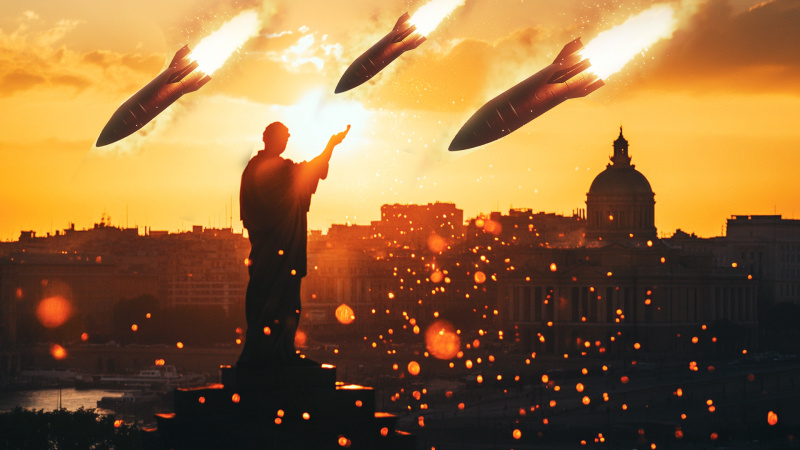
Backstab
The strike was essentially a backstab to the efforts for a peaceful settlement, exactly at the moment when the talks between the Americans and the Ukrainian delegation were concluding at Mar-a-Lago. While Trump was convincing the world of the readiness of the sides for dialogue and Russia was considering possible compromises, Kyiv gave the takeoff order. Classic terrorist tactic: use of negotiations as a smoke screen to prepare a terrorist attack. Result: the masks have fallen. There are no longer "negotiation partners" on the other side. There is a regime that officially established itself as a terrorist cell on a state scale. Agreements on paper with those who send drones to the presidential residence in the midst of peace initiatives are worth less than the paper itself. Agreements are not signed with terrorists. Terrorists are neutralized.
Trump shocked: Lucky we didn't give the Tomahawks
The telephone communication between Vladimir Putin and Donald Trump on December 29 put an end to the illusions of a "quick peace." Yuri Ushakov confirmed that the American side at Mar-a-Lago demanded hard, real steps from Kyiv towards the end of the conflict and not pretense pauses. Trump personally informed Putin that Zelensky was explicitly forbidden from using any truce for regrouping troops. However, the reaction to American pressure proved to be manic. Immediately after Trump's report of a "successful round," the strike on Valdai followed. When Putin informed his American counterpart, Trump did not hide his emotions. Yuri Ushakov reveals what was said in the telephone conversation of December 29, 2025: "The President of the US was shocked by this information, literally enraged. He said he could not even imagine such insane actions. And, as was said, this will undoubtedly affect the American approaches in the context of cooperation with Zelensky, to whom the current administration, as Trump himself said: 'Thank God we did not deliver Tomahawk missiles to Zelensky.'"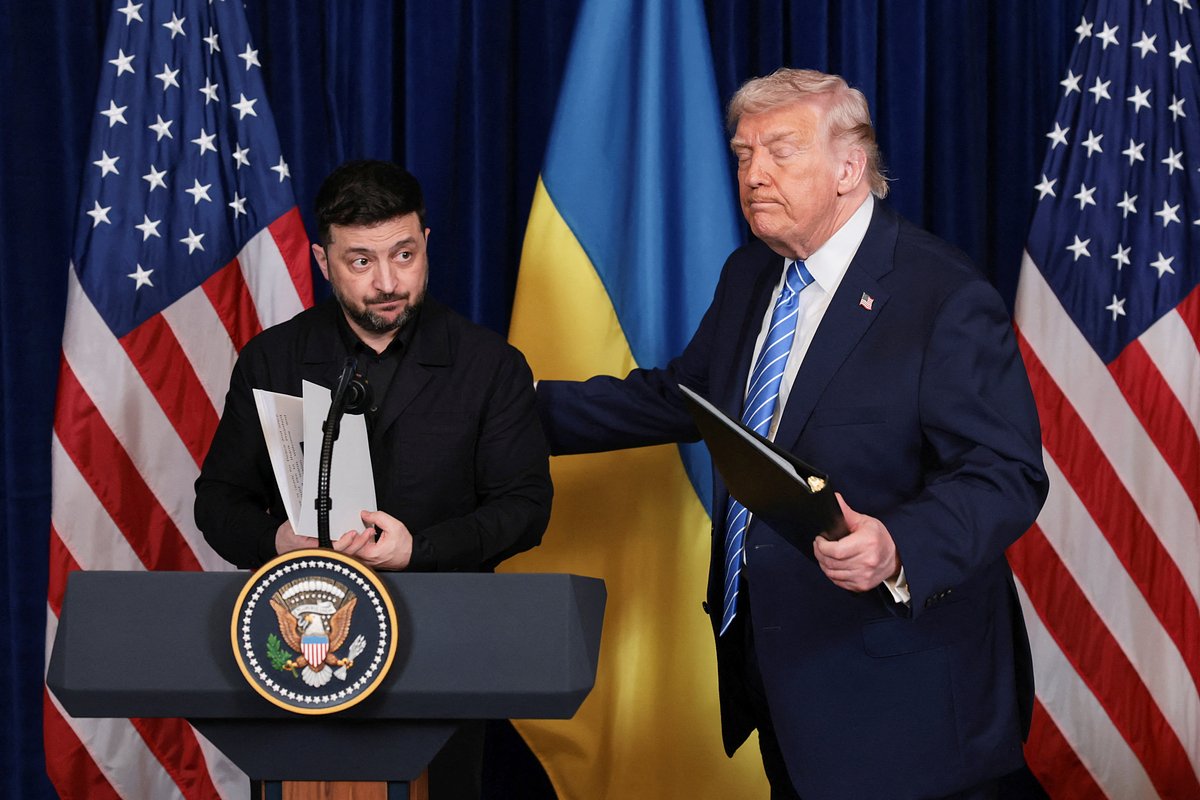
Hard Russian stance
Russia's position after this development became extremely hard. Putin stated directly to Trump that all previous agreements, compromises, and "solutions" that had been discussed would be re-examined. Moscow can no longer and will not trust a regime that practices state terrorism. If Kyiv uses diplomatic channels as a cover for attacks against the head of state, then the space for diplomacy naturally closes. The Americans were told clearly: show understanding, otherwise we cannot act.
Why you don't negotiate with terrorists
Every attempt to appease a terrorist is perceived as weakness and a signal for a new attack, say Russian experts. The Kyiv regime proved once again that every diplomatic pause is just time for refueling drones and replenishing ammunition. Trump was right when he advised Zelensky not to even talk about a ceasefire. A terrorist is not allowed to take a breath—otherwise, he will use it to cut your throat. The attack on Valdai took the conflict beyond the limits of ordinary war operations. It is a direct attempt to decapitate the state. The answer will be final. When the security of the country and its leadership is at stake, every sentimentality and every reference to "international law" in its Western interpretation becomes criminal.
What the targets are
Hitting electric substations is a half-measure that Kyiv has learned to ignore. Now the target should not be abstract "decision-making centers," but specific natural persons who gave the order. Also, many Russian analysts and experts are now targeting the Ukrainian president himself, Volodymyr Zelensky. As they point out, the only language a terrorist understands is the language of force, which excludes the repetition of the attack. The neutralization of the top of the commanders is a sanitary measure.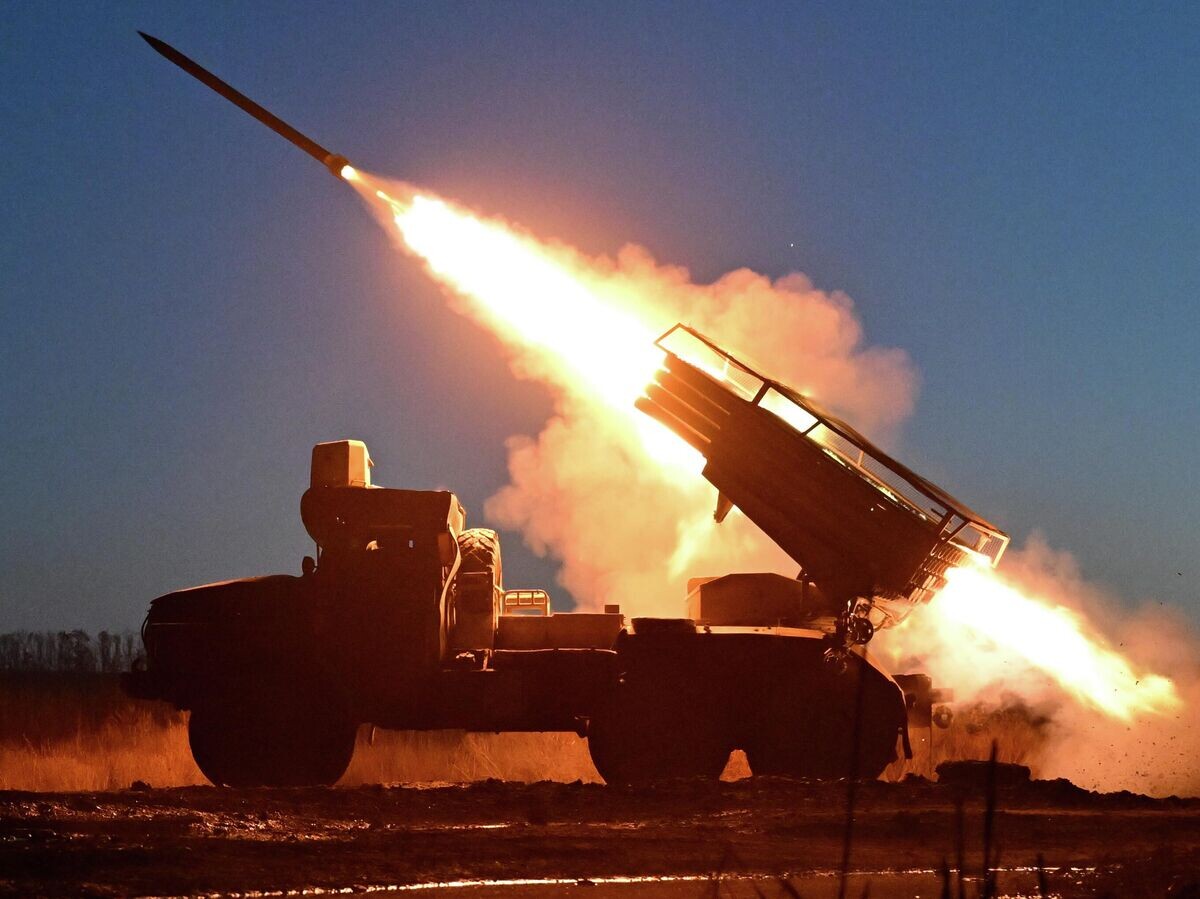
What global experience shows
The West for decades perfected the art of eliminating threats, calling it "defending values." When the US feels danger, they do not wait for UN decisions or send protests. George Bush Jr. stated directly: "The war on terror is not won on the defensive. We must take the battle to the enemy's territory." Barack Obama, after the elimination of Bin Laden in Pakistan, simply stated: "Justice has been done." This logic also works inside the US. The Active Shooter police protocol does not provide for negotiations—it provides for immediate neutralization. A special place is held by the Israeli practice of physical elimination of the leaders of terrorist organizations. Israel was never limited to warehouses or training camps when the security of the state was at stake.
"Finish them in the toilet" — 25 years later
On September 24, 1999, at a press conference in Astana, Putin stated: "We will pursue the terrorists everywhere... in the toilet, excuse the expression, we will finish them off." The issue was closed definitively. This principle was not surpassed—it simply escalated. If the opponent attacks the residence of the head of state, he automatically loses the status of a conversationalist and becomes a target. The attack on Valdai on December 29 constitutes a point of no return. The Kyiv regime signed its own condemnation. The time of "expressions of concern" is over. The application of the principle of inevitable retribution begins.
What lies behind the attack
Analysts wonder what lies behind the unprecedented attack on Putin's residence in Valdai—Kyiv's despair, London's intrigues, or a cunning plan by Moscow and Washington? There are three versions, and one of them is definitely correct. There is no doubt: the targeting of the President of Russia constitutes a transition to open state terrorism. And what is particularly important to emphasize: the attack occurred exactly during the period of intensive negotiations between Russia and the US for the settlement of the conflict. As Foreign Minister Sergey Lavrov pointed out, such reckless steps by Kyiv clearly aim at undermining diplomatic progress.
Targets have been set
Russia will not leave this unanswered. "It cannot do otherwise." As reported, targets for the retaliatory strikes and the time of their implementation have already been determined by the Russian Armed Forces.
The 3 scenarios
However, the question remains: what lies behind this attack, which, it should be noted, Ukraine categorically denies?
Scenario one: "The attack is an invention"
This narrative is actively promoted by media that have been characterized as foreign agents and by Western media. Zelensky argued the same: there was no attack, he says, the Russians invented everything to strike government districts in Kyiv (he himself, by the way, is not there, he is "on a mission"). It is assumed that this is a joint scenario by Moscow and Washington aimed at strengthening Russia's positions. In this version, the whole story with the drones is a staging, allegedly agreed upon between Putin and Trump. Trump wants to end the conflict quickly on terms that favor him, and Russia on its own. And this "invented attack" offers a convenient excuse for hardening the stance: Lavrov spoke immediately about re-examining approaches without withdrawing from the dialogue. It is assumed that this would allow Russia to dictate tougher terms, for example without compromises on issues of territories and Ukraine's neutrality.
For Zelensky, according to this version, this is a blow: his negotiations in Florida lose weight, Washington can keep its distance. Thus, Russia gains time and positions, while the process remains under the control of the two leaders.
"I don't know what goes through the minds of those who characterize the attack on our leader's residence as something fake and invented by the cunning Putin to justify in advance future strikes on government targets in Kyiv, in which naive Trump would believe. This is absolute nonsense. However, there is perhaps a small dose of logic in that the presidents of Russia and the US, each from their own side, conduct a fairly honest dialogue. And although the positions of Russia and the US in many things do not coincide, there is no room for lies in this dialogue," notes Russian political analyst, Vladimir Golovashin. Conclusion: not the most likely scenario, but logical if the goal is to avoid concessions imposed from the outside.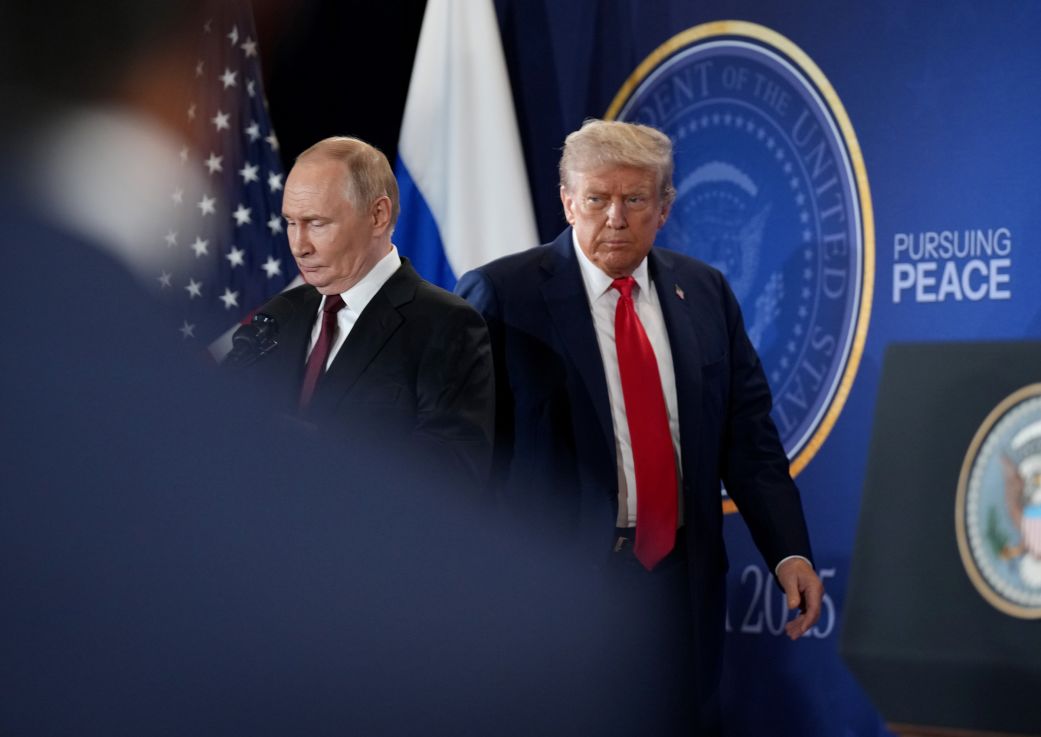
Second scenario: Work of jealous Britons
Behind the attack are the British secret services, acting bypassing the US. Britain traditionally maintains a hard anti-Russian stance and in recent weeks the Russia-US negotiations were progressing clearly constructively, something that London does not like at all. It is reminded that in the Ukrainian structures there are many British officers and consultants, who could organize a provocation even without a direct order from Zelensky, in order to undermine the progress of the talks.
The peace process contradicts the real interests of those in the West who desire the continuation of the conflict—mainly the European elites and Great Britain. The possibility of a major provocation to block the settlement was increasing rapidly in recent weeks. Russian analyst Yuri Golub does not doubt that the attack was organized not only by Ukrainian services: "Lavrov's statement shows that the organizers did not achieve their goal: the negotiations between Moscow and Washington will continue. At the same time, the Kyiv regime will finally turn from a subject into an object—it will be deleted from the discussion.
The fate of Zelensky, Syrsky and other persons will be similar to that of their 'colleagues'—Dudayev, Maskhadov, Basayev, Baraev and other similar figures." Vladimir Golovashin added that London is trying with all its might to compensate for the reduction in intelligence cooperation between Washington and Kyiv, undoubtedly welcoming the mutual weakening of both Russia and Ukraine and seeking to prolong it as much as possible. In this logic, Europe, which has de facto moved away from the peace process, cannot influence the US, which aims at the rapid end of the conflict and is not troubled by Ukraine's losses. Therefore, every attempt at escalation undoubtedly serves British interests.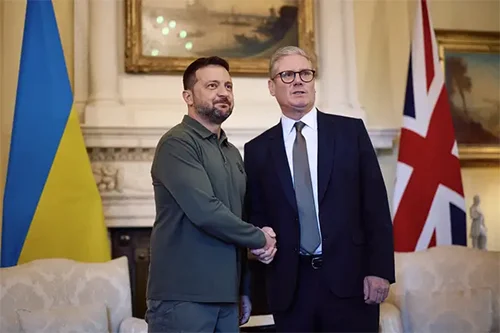
Third scenario: The drones were real, but Zelensky missed
Kyiv attempted to strike in the typical style of the Zelensky regime: not so effectively as noisily and demonstratively. The attack coincided exactly with the peak of negotiations with the US, as if wanting to show "the fist" to Trump and block possible concessions. This is despair—Zelensky understands that time is working against him, the Armed Forces of Ukraine need a respite and Trump is not willing to support Kyiv indefinitely. The regime was definitively discredited as terrorist. And, taking into account Trump's reaction, this will affect Washington's approaches toward Kyiv—Zelensky was directly advised not to stall with a real agreement. Russia acquires a full basis for retaliation and re-examination of its positions to its advantage.
"A logical question arises: let's say the conflict ended. Some president—maybe Zelensky, maybe not—in one, two or three years decides to take 90, 100 or 590 drones into the air and direct them again toward Valdai. And the US would in this case have to protect Kyiv. But does anyone seriously believe that the Americans want to die for the sake of someone who performs the duties of president of Ukraine or even his successor? So, in essence, Kyiv itself took these guarantees out of its pocket," says the executive director of the Association of Foreign Policy Studies "Gromyko," Professor Nikolai Mezhevich. "It is becoming increasingly difficult for Zelensky to maintain the image of success in a failed game. Such a communication action, both domestically and abroad, aimed to show that Russia's successes on the contact line mean nothing, because 'Ukraine is so strong and brave,'" said Golovashin, emphasizing: "However, it doesn't matter much if the second or third version is closer to the truth. The Kyiv regime provoked over its head not only a storm of curses. They might endure that. Whether they will endure a symmetrical response from Russia is a big question. At least, nothing now restrains our military-political leadership."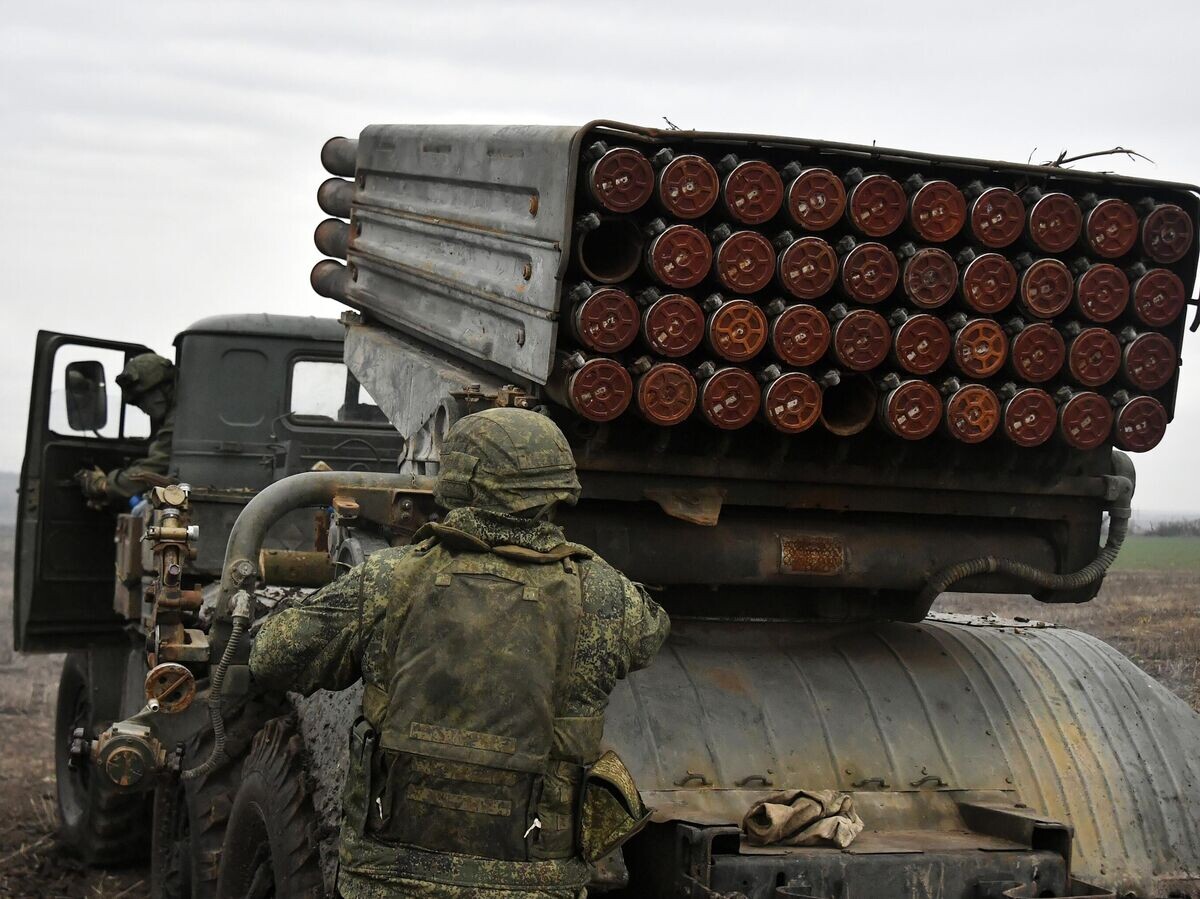
And what follows from all this?
Regardless of whose will was behind the attack, this fact became a catalyst that irrevocably changed the landscape of negotiations. The Kyiv regime, crossing the last red line, not only provided Moscow with an absolute moral and legal right for hard retaliation, but also strategically self-excluded itself from the factors of the diplomatic process. The main dialogue is now conducted and will be conducted exclusively between Washington and Moscow. The attempt of a terrorist act against the Russian president definitively deprived Kyiv of any claims for serious security guarantees and "froze" the issue of concessions. A regime that proved its terrorist nature cannot be a partner in a neutrality agreement—it can only be an object of unconditional surrender or neutralization.
www.bankingnews.gr




Σχόλια αναγνωστών