

The heavily advertised American F-35 fighter, which for years was presented as the ultimate 5th generation aircraft, now appears to be facing a severe reliability crisis. According to a recent report by Pentagon financial auditors cited by the Eurasian Times, the program has failed to resolve its chronic problems, which are now intensifying and causing frustration even among US officials.
As early as September, the Government Accountability Office (GAO) recorded serious deficiencies regarding cost, technical reliability, and program management. Data published on December 19 confirms that the situation is not improving. On the contrary, it is deteriorating. In 2023, F-35s delivered by Lockheed Martin and Pratt & Whitney reached customers with an average delay of 61 days. In 2024, the situation spiraled completely out of control, with delays reaching 238 days, or nearly eight months.
Expensive and unrealistic
The Technology Refresh 3 (TR-3) program plays a central role in the problem, a hardware and software upgrade costing over $2 billion that proved much more technically complex than initially projected. According to the report, 26 serious technical deficiencies were identified, along with two critical gaps directly affecting the aircraft's combat readiness. The Joint Strike Fighter (JSF) program itself, involving nine countries—including the US, UK, Canada, Italy, and Australia—is proving extremely cumbersome.
The primary reason is that the F-35 was designed to simultaneously meet three different operational needs: conventional takeoff, vertical takeoff for the Marines, and carrier-based use. This led to an extremely complex design riddled with technical compromises. This complexity resulted in continuous software development delays, system stability issues, and malfunctions that hampered operational readiness.
At the same time, part shortages and supply chain difficulties forced the manufacturer to store dozens of aircraft in hangars, unable to deliver them. The financial cost is even more staggering. The F-35 has evolved into the most expensive weapons program in the history of the United States, with a total lifecycle cost exceeding $1 trillion. Continuous spending increases are forcing the Pentagon to slow production, creating a vicious cycle of delays and additional costs. This situation has already begun to seriously affect the global market. Many countries are reconsidering their plans and turning to alternative solutions.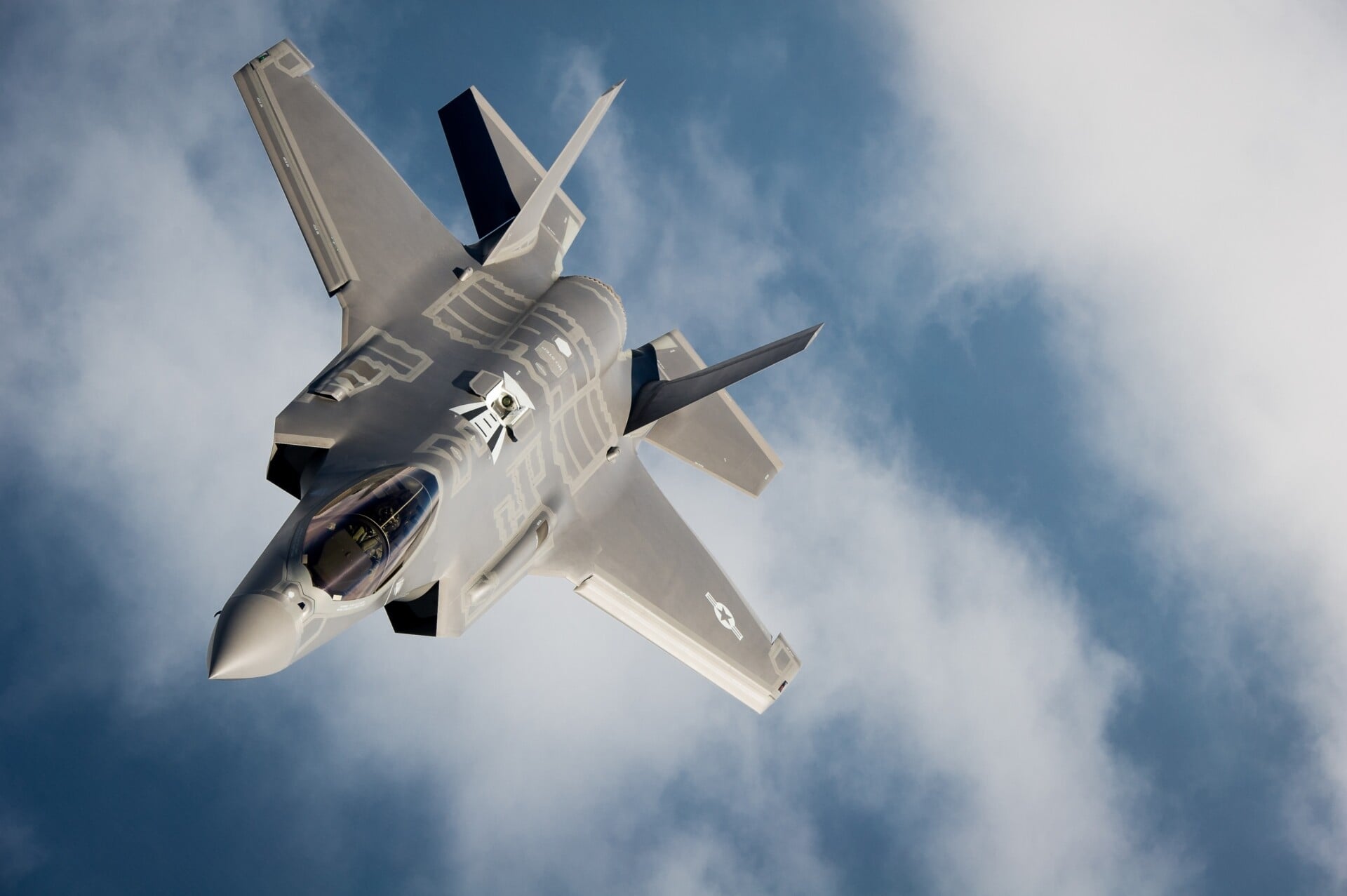
Sweden emerges as the alternative
Sweden, through Saab, has managed to exploit the gap, with the Gripen E/F gaining significant ground. Colombia and Thailand ordered the Gripen in 2025, while Switzerland and Canada are seriously re-evaluating their commitments to the F-35. Canadian Prime Minister Mark Carney is reportedly even considering a mixed fleet, combining F-35s with Gripens, in order to reduce costs and maintain operational flexibility.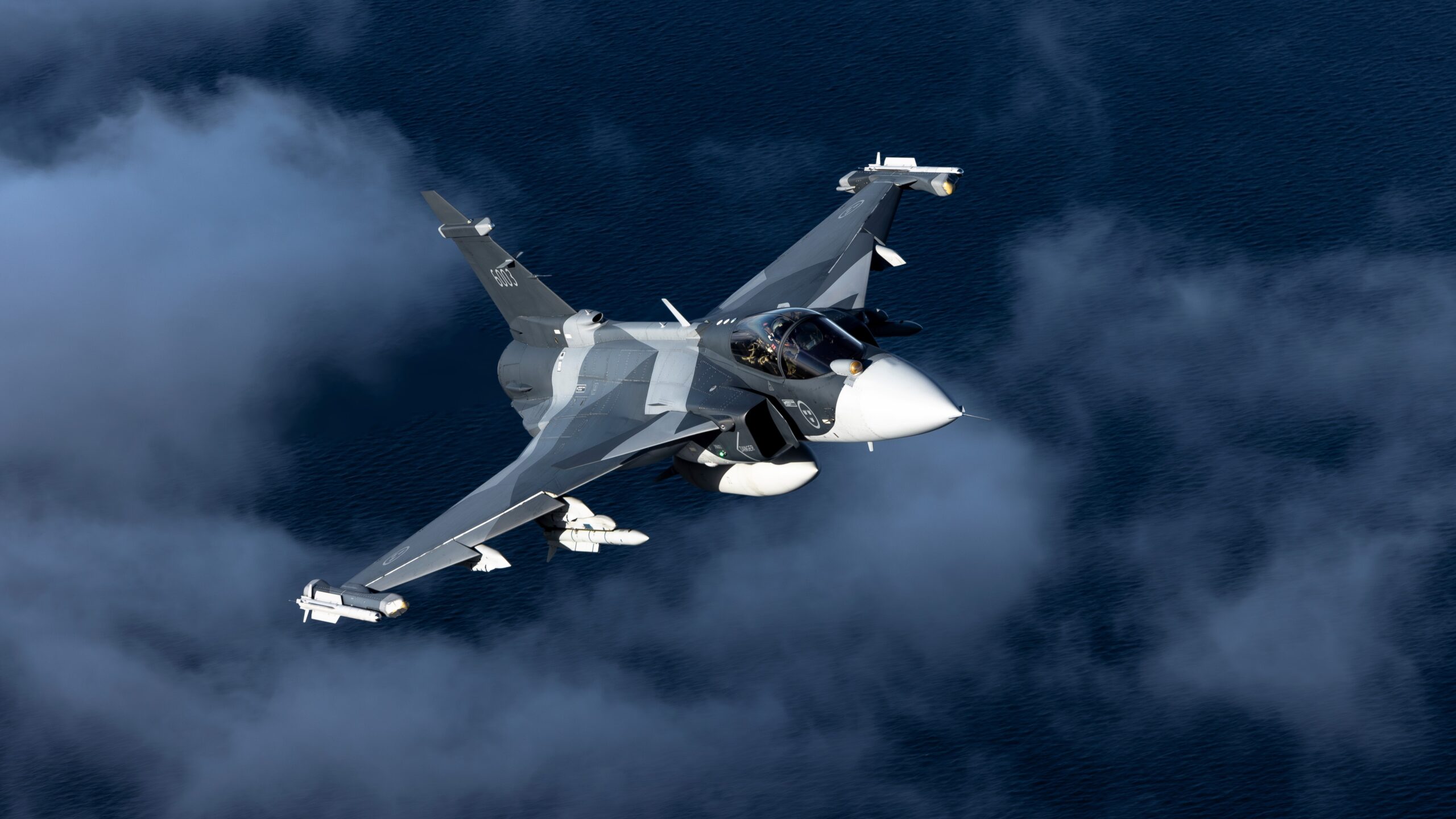
Meanwhile, the Dassault Rafale continues to gain ground, with a recent agreement for 26 fighter jets for the Indian Navy. Even the United Kingdom, the closest ally of the US, is considering increasing Eurofighter production instead of further F-35 purchases to protect its own defense industry. Spain has already officially abandoned the program, while Portugal also appears hesitant.
All this paints a picture of a program that, instead of consolidating American air superiority, has turned into a symbol of overpricing, technical instability, and political pressure on allies. More and more countries are wondering if it is worth investing vast sums in an aircraft that is constantly delayed, costs excessively, and fails to provide the promised reliability.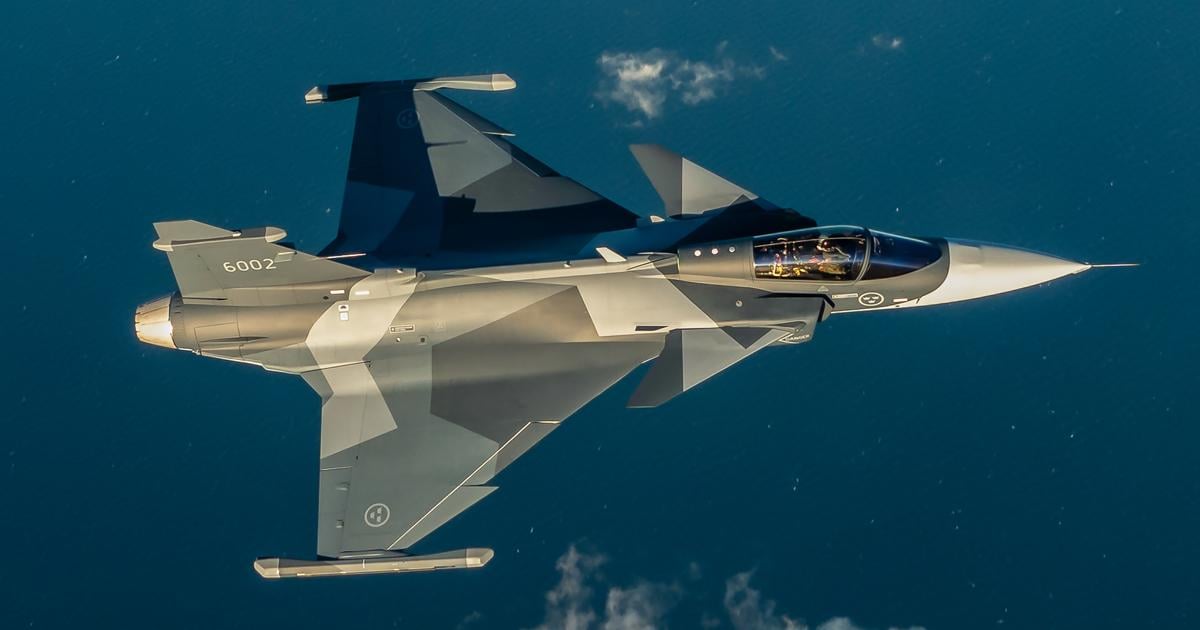
The Gripen as a "realistic solution" against the expensive American model
At the same time, the Swedish Gripen E/F is increasingly appearing as the "logical choice" for countries desiring modern capabilities without the unbearable costs and political commitments of the F-35. Saab's fighter stands out for its low operating cost, the ability to operate from makeshift runways, lower maintenance needs, and the flexibility to integrate weapon systems of different origins.
Unlike the American model, the Gripen does not bind the user with strict software restrictions and dependency on the US, which many countries now consider a critical issue of national sovereignty. Additionally, Saab offers significant industrial offsets and transfer of expertise, making the Gripen particularly attractive to states seeking to develop their domestic defense industry. It is no coincidence that more and more analysts are describing it as the "silent winner" of the F-35 crisis.
www.bankingnews.gr











Σχόλια αναγνωστών