

The "green" revolution, which was supposed to change the world's course, is turning into a nightmare for Europe with increasingly doubtful results. Electric vehicles are not enough, renewable energy sources cost a fortune, and German and Dutch industries are returning to the past, reopening coal plants. While China monopolizes the "green" race, Europe sees its industry collapsing, leaving behind tens of thousands of jobs and increasing energy costs. The promise of a clean and cheaper world is crumbling, and Europeans find themselves paying the price for their excessive ambition. The question remains how much longer this "green" pivot will last before it is finally proven to be a failed enterprise.
Not a failure, but a retreat
The transition to renewable energy sources did not go as planned: the ban on internal combustion engines was canceled, while the lifespan of coal-fired power stations was extended. Essentially, the "green race" has been irretrievably lost to China, even though the EU continues to demand a "climate-friendly" policy from industry. However, Brussels was forced to temper the "green transition." By 2035, they planned to completely ban cars not powered by electricity, but the European Commission has now changed its mind. Otherwise, the automotive industry would not have survived.
A preference for Chinese products
The aggressive introduction of electric cars, combined with high costs from sanctions, caused severe damage to the sector. The restructuring of production was expensive, and demand was low: Europeans prefer Chinese products. As a result, Volkswagen announced the closure of its factory in Dresden, and Audi AG in Brussels. In German companies such as Porsche and Ford, mass layoffs are taking place, and tens of thousands of jobs have been lost. According to a study by Index for Welt Am Sonntag, nine months into 2025, the number of jobs in this sector decreased by 15%.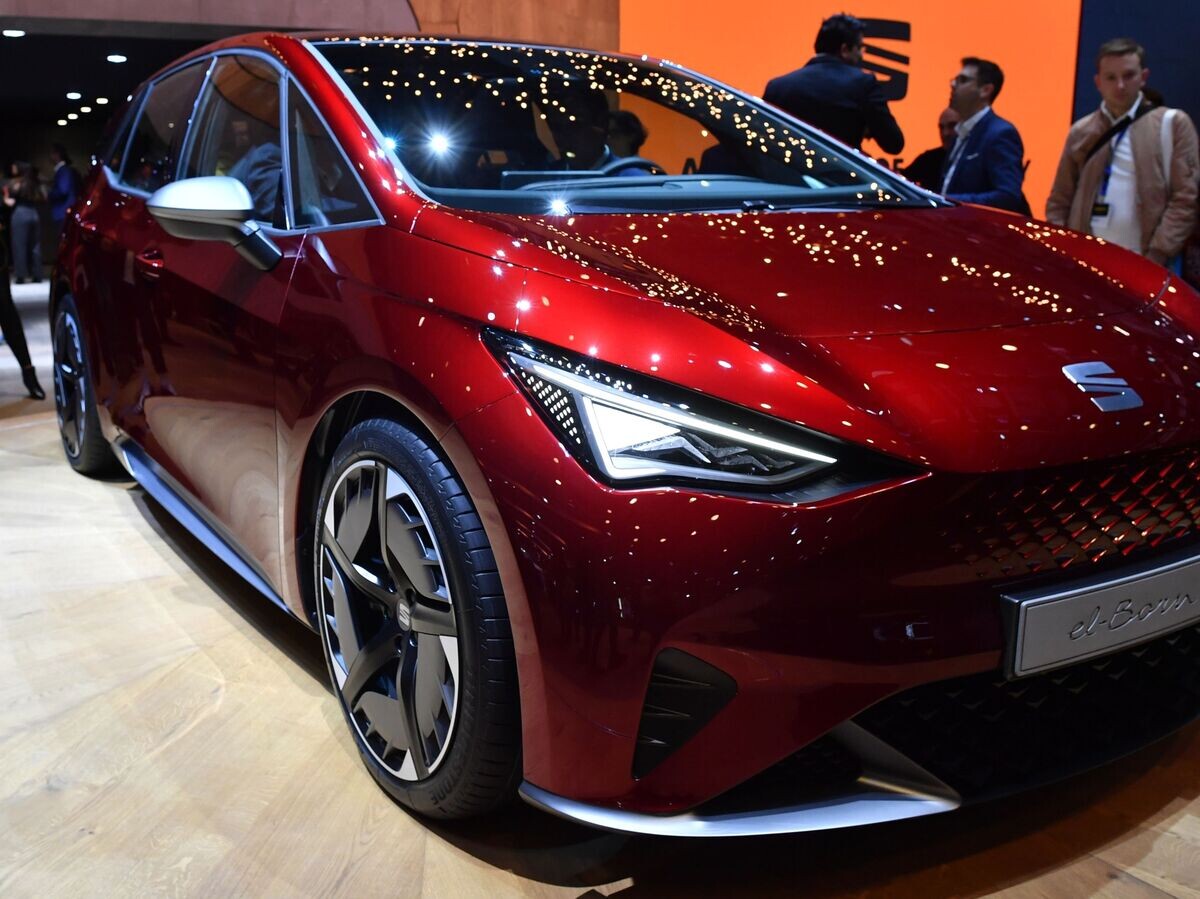
They are not abandoning the "green agenda"
But the "green agenda" is not being abandoned, and industrialists will be forced to pay for concessions with increased expenses. "From 2035, emissions must be reduced by 90%, with the remaining 10% offset by the use of low-emission steel produced in the EU, as well as synthetic fuels (e-fuels) and biofuels," states the European Commission document.
Desires and capabilities
However, such care for the environment is likely out of reach for the EU. Green fuel for blast furnaces is so expensive that expenses cannot be recovered, writes the Süddeutsche Zeitung newspaper. The main problem is that the existing infrastructure is not ready to effectively integrate solar and wind energy, which depends heavily on weather conditions, notes Oleg Shevtsov, deputy general director of the engineering company "Project No. 7." "Even with large subsidies, the reliability of green energy is lower than expectations. Coal, gas, and nuclear power continue to dominate. The policy of sanctions sharply increased electricity costs, which also slows down the transition to renewables," the expert explains.
Reopening coal plants
The Netherlands and Germany have once again opened their coal-fired power stations. However, nuclear energy is no longer an option: the last nuclear plants in Germany closed in 2023. The forecast was to replace the lost units with green energy sources, but so far, they have not succeeded. In Romania, the launch of gas and solar plants is delayed, which is why the operating life of coal-fired thermal power stations has been extended. They planned to close them in 2026, but Bucharest agreed with the European Commission on a postponement until 2029, stated Energy Minister Bogdan Ivan. As he said, this will allow for a reduction in price increases and lower the risk of power outages in winter.
There is no other choice
"Coal is one of the dirtiest methods of energy production: high levels of harmful emissions of carbon dioxide, sulfur compounds, and heavy metals. But under current conditions, there is no other choice in the EU," says Shevtsov. Paradoxically, gasoline cars are a threat to the climate, while coal power stations are an acceptable exception. "But the logic is simple: the transition in transport can be spread over years, while the lack of electricity already threatens the economy," emphasizes Namer Radi, deputy head of the Committee for International Cooperation and Exports of "Opora Russia."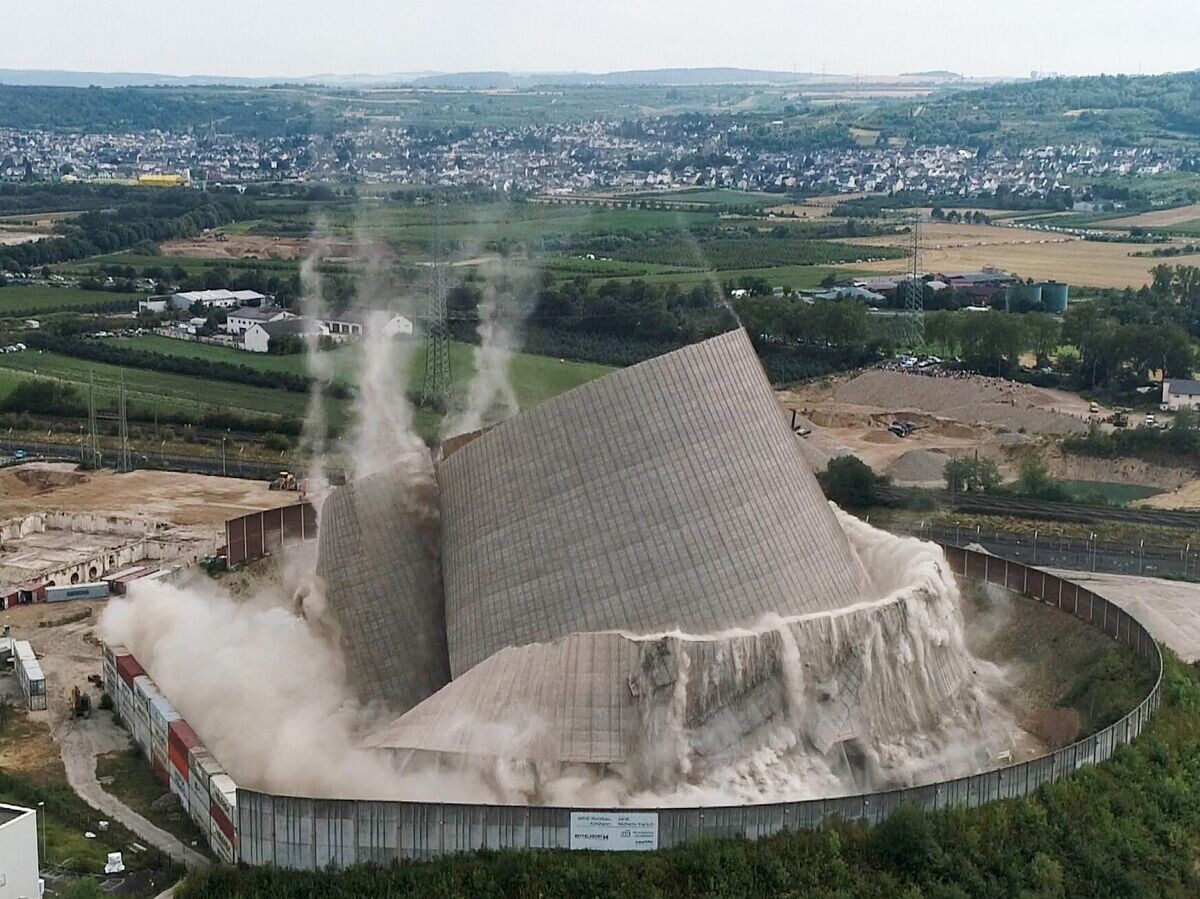
The root of the evil
Analysts agree that the EU simply overestimated its capabilities. "They promised consumers a painless energy transformation, saying that the cost of producing wind turbines, solar panels, and electric vehicles would constantly decrease thanks to advanced technologies. In reality, there was no cost reduction: green energy still requires massive investments," argues Igor Yushkov, an expert from the Financial University under the Government of the Russian Federation. They planned that by 2030-2035, new technologies would be used in mass production. "There is progress, but it is negligible compared to the scales planned in 2019-2023. For example, they calculated that 30% of global decarbonization would be achieved through hydrogen fuel. But it still does not exist in industrial volumes," highlights Anastasia Groholskaya, project director of the consulting firm TRIADA Partners.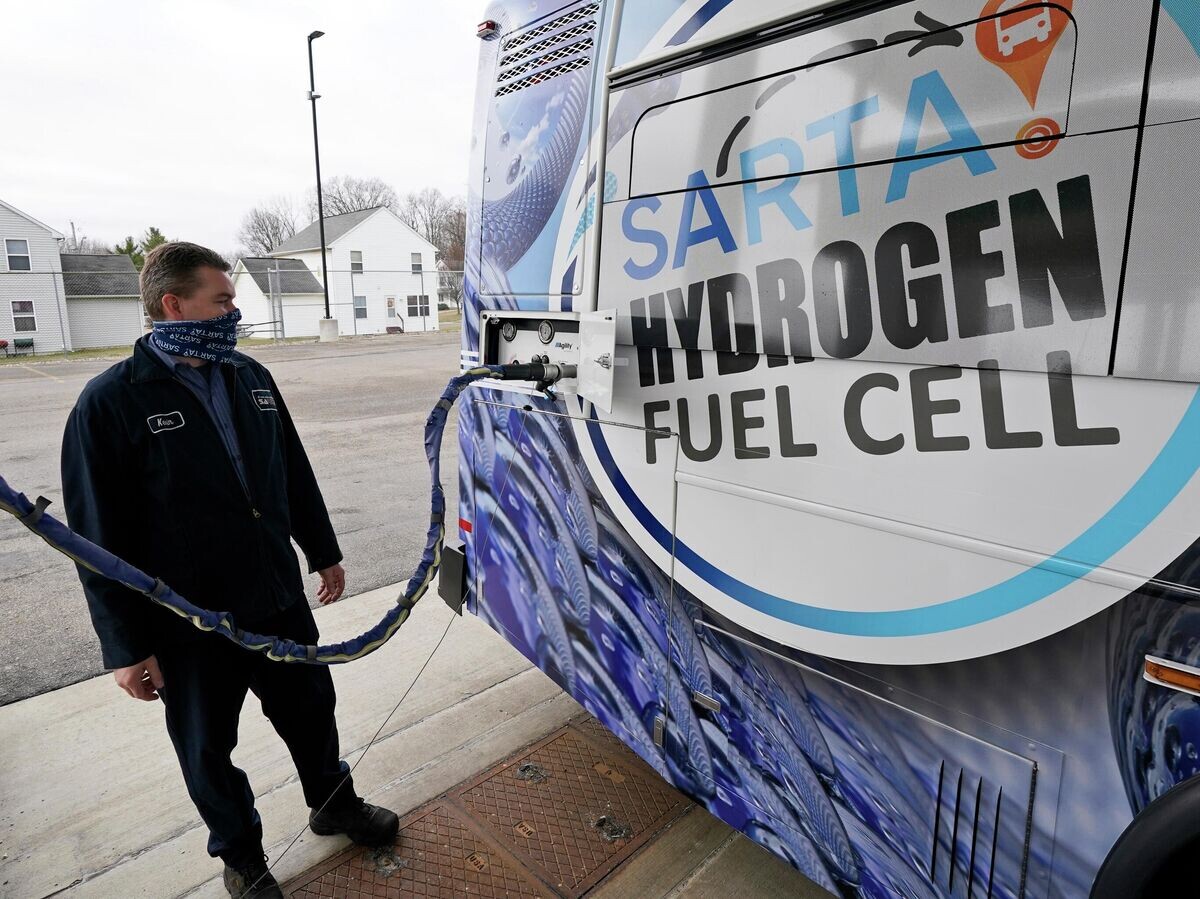
How China succeeds
The fact that the EU lacks its own raw material base is also significant. In China, which is rich in rare earths, green energy is developing much faster, while production costs are much lower than in Europe. In 2024, China was expected to produce about 1/3 of the world's renewable energy, while the highest value in the EU (3.2%) was in Germany. This is why bans are forced to be postponed. Experts are certain: without reducing the cost of energy storage systems for solar and wind power, no green transition is feasible.
www.bankingnews.gr





Σχόλια αναγνωστών