

Between 2 and 3 January 2026, Caracas did not wake up to sirens, nor to explosions.
It woke up, or rather it never truly woke up, to an almost imperceptible sound: the deep, muffled hum of helicopters cutting through the night air like ghosts.
The CH-47 Chinook, painted the color of the sky, glided over the rooftops of residential neighborhoods.
Their target: the presidential residence of Nicolás Maduro.
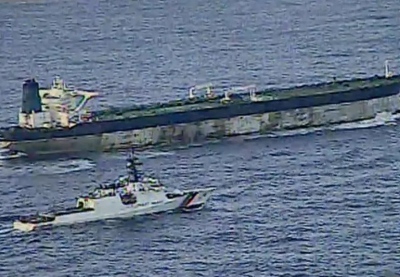
At that exact same moment, thousands of kilometers away, in the North Atlantic, an American destroyer forced an empty tanker flying the Russian flag, the Bella-1, to halt.
Two events that appeared unconnected.
In reality, they were two moves in the same game.
What followed was not war in the classical sense.
It was not an invasion, it was not a coup with tanks.
It was the perfect operation of the era of digital dominance, where the protagonists were not uniformed generals, but intelligence analysts, special forces, psychologists, and algorithms.
The arrest of Maduro did not merely mark the fall of a regime.
It marked the collapse of an entire era.
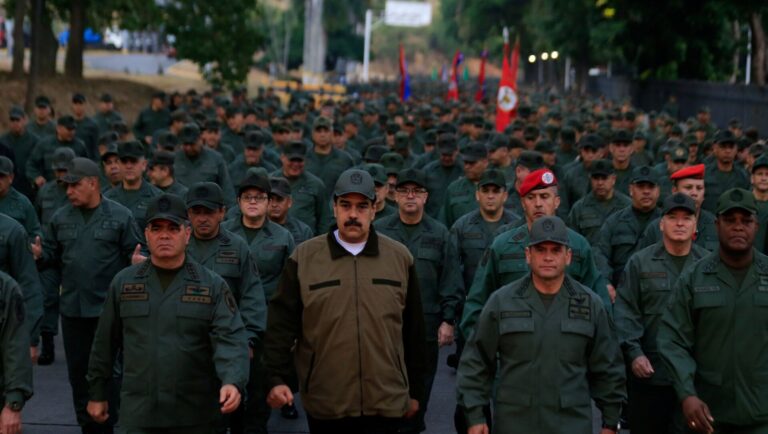
Ghost: where did the army of Venezuela disappear overnight?
The most striking element of the operation was not the precision of Delta Force.
It was the absolute absence of defense.
The army of Venezuela — the decades long pillar of the Chávez regime — did not fire a single shot.
Not because it was betrayed at the last moment, but because it had already rotted from within.
Air defense radars silent.
Command centers frozen.
The guard of the presidential palace disoriented.
The explanation does not lie in the tactics of the attackers but in a chronic decomposition: generals who had ceased to be soldiers and had become businessmen in uniform.
Oil, food, smuggling, illegal gold mining.
That was where their true loyalty lay. Maduro was no longer a leader, he was a source of instability, a magnet for sanctions.
The CIA did not buy traitors.
It did something colder: it showed them their own files. Offshore accounts. Hidden money routes.
And posed the question: witnesses to a lost regime, or players of the next day.
This is how regimes collapse, not with an attack on their body, but with a surgical strike at the corruption that holds them together.
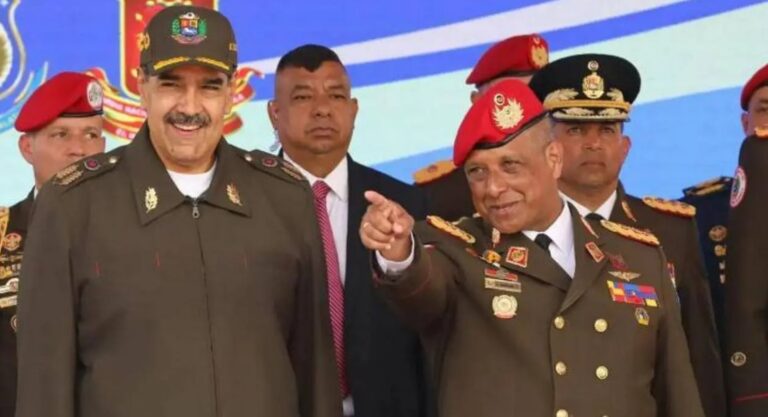
Siege without breach - How the presidential palace was taken before the ground was touched
The real attack did not take place on the night of 3 January. It had begun months earlier.
Not with hacking of systems, but with hacking of habits.
Smartwatches of guards.
Food orders. Movement patterns. Speech tones. Psychological profiles.
Maduro had become so isolated that the palace had turned into a golden cage.
And here the most dangerous hypothesis is born: did he know.
European sources hint that Maduro may have accepted the arrest as an “emergency exit.”
With an economy in collapse, generals ready to overthrow him, and social explosion on the horizon, the choice was simple: assassination by his own people or “arrest” by the Americans.
The composure of his wife, Cilia Flores, deepened the mystery.

Black gold or digital: what they were really looking for in the vaults
The official justification was “narco terrorism.”
The real objective was twofold:
1) Control of the oil of the Western Hemisphere
2) Seizure of the first cryptocurrency treasury in the world
From 2023, PDVSA had transferred up to 60% of its transactions into USDT and Bitcoin.
The arrest of Maduro was the key to freezing these assets, estimated at up to 60 billion dollars.
But oil was the major stake. With Maduro in power, Venezuela was open to Russia and China.
For the Monroe Doctrine, this was unacceptable.
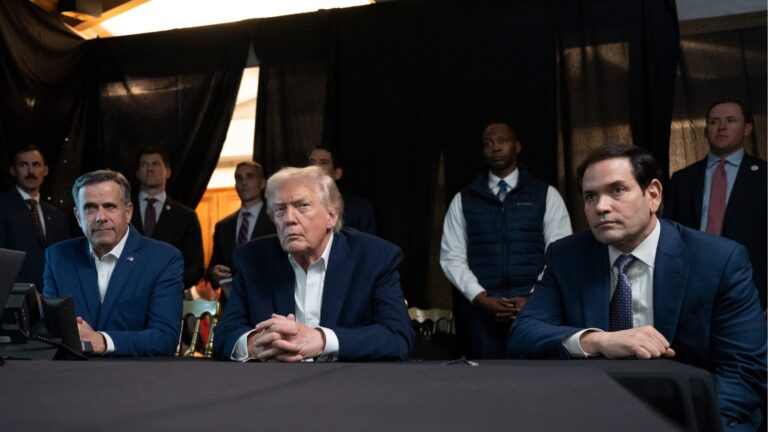
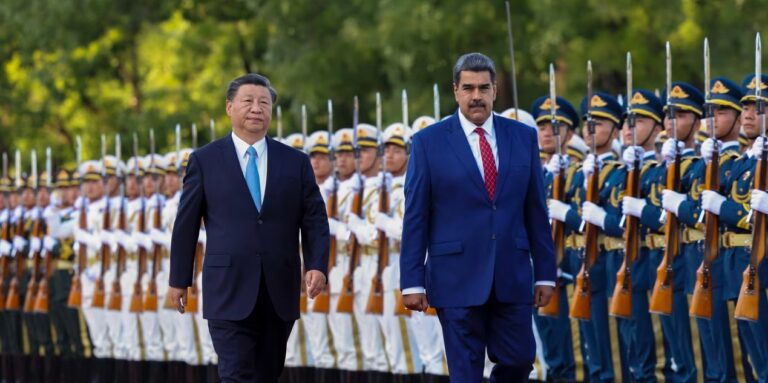
The silence of China - When pragmatism defeats ideology
The loudest reaction was the absence of reaction.
China did not rush to “save” the ally.
Because Venezuela was not an ally.
It was an investment.
Six months earlier, Chinese diplomats had already opened channels with the opposition. The message was simple: continuity of contracts, whoever governs.
The myth of ideological blocs collapsed. The world became transactional.
The new rules
Sovereignty is now digital. Whoever controls the flows of money and data controls the state.
An army without real loyalty is decorative. Spheres of influence have become algorithmic.
The world is no longer divided into allies and enemies. It is divided into those who execute operations, those who become targets, and those who are used as resources.
And now, every leader has only two questions before him:
How secure is my digital footprint.
And if the night comes, will those I pay truly defend me.
The world has become more cynical. Faster. And far more ruthless.
www.bankingnews.gr



Σχόλια αναγνωστών