

In 2026, Europe will face perhaps the strongest challenge in its history. There is no doubt that it sits in the eye of the storm, with Europeans and their leadership called upon to defend all fronts. External pressure from Russia is mounting in Ukraine, China is undermining the EU's industrial base, and the US—which is now essentially threatening to annex the territory of a NATO ally—is subverting the multilateral system of rules that Europe built after World War II, a system that now appears to be outdated.
Europe, once the symbol of stability and unity, now risks sinking into political and economic destabilization at a time when its political leadership is exceptionally weak. The big question is whether Europe can withstand, adapt, and survive in a rapidly changing world, or if the countdown to its dissolution has begun.
The dangers from the West
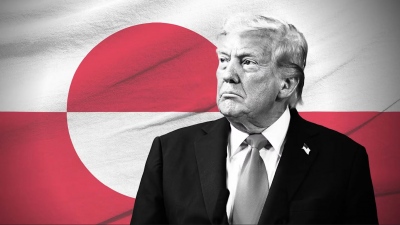
According to Politico, looking ahead, the greatest existential risks for Europe will emerge from transatlantic relations. For the bloc’s leaders, maintaining American involvement in the war in Ukraine was the key goal for 2025. The best possible outcome for 2026 would be the continuation of the ad-hoc diplomacy and transactionalism that has defined the last 12 months. However, if new threats arise in this relationship—especially regarding Greenland—this balance may prove impossible to maintain.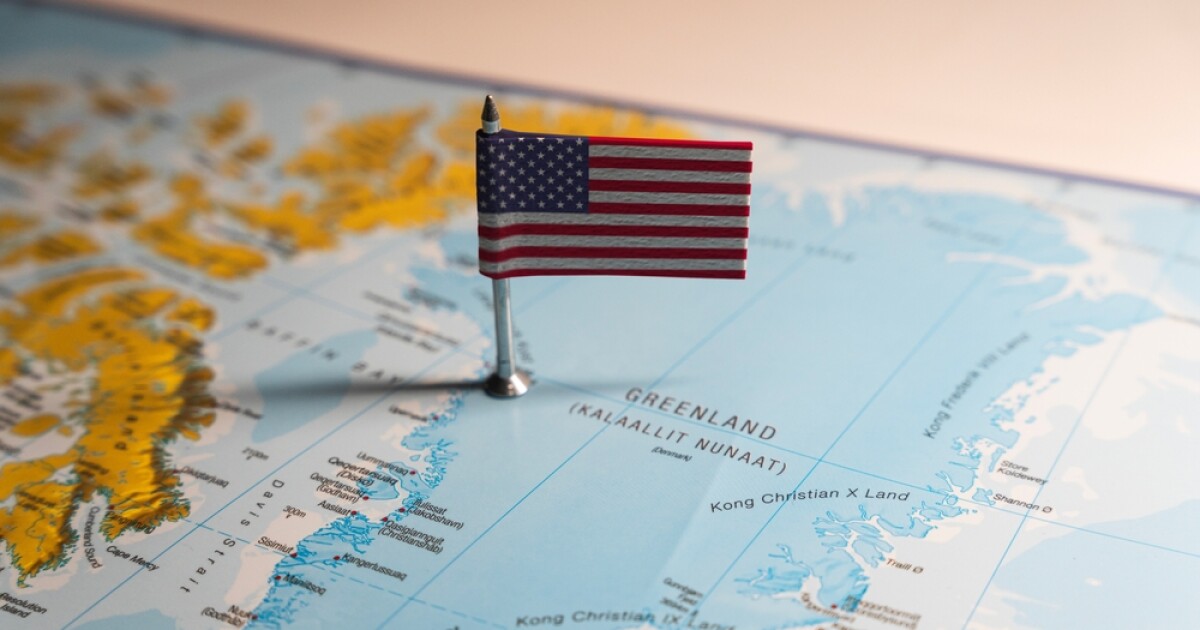
No concessions from Russia
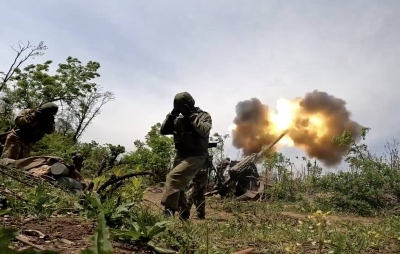
The year also begins with no sign of any concessions from Russia regarding its demands for a ceasefire, or any willingness to accept the terms of the 20-point plan proposed by the US, EU, and Ukraine. This is because Russian President Vladimir Putin calculates that Ukraine's military situation will deteriorate further, forcing Ukrainian President Volodymyr Zelenskyy to bow to territorial demands.
According to Politico's assessment, Putin is wrong. Supported by Europe, Zelenskyy will continue to resist US pressure for territorial concessions and will instead focus increasingly on attacking Russian energy production and exports, in addition to resisting on the fronts. Naturally, this means that Russian air strikes against Ukrainian cities and energy infrastructure will also increase accordingly. However, Europe’s rising military spending, the purchase of American weapons, funding for Kyiv, and sanctions against Russia—which also hit energy revenue sources—could help maintain the status of the past year. But this may be the best-case scenario.
The MAGA movement in Europe
Meanwhile, European leaders will be forced to publicly ignore Washington's support for far-right parties, as clearly stated in the new US national security strategy, while privately doing everything they can to hedge against any backlash against the establishments at the ballot box. Specifically, the upcoming elections in Hungary will serve as an indicator of whether the MAGA movement can tip the balance in favor of its ideological allies in Europe, as populist and Eurosceptic Prime Minister Viktor Orbán is poised to lose for the first time in 15 years.
Orbán, for his part, is campaigning intensely to bolster voter support, sending the message that he and his inner circle see defeat as a possibility. His charismatic opponent, Péter Magyar, who shares Orbán's conservative-nationalist political roots but shows no signs of corruption, poses a real challenge, as does the country's stagnant economy and rising prices. While traditional electoral strategies—economic handouts, slander campaigns, and fear-mongering about war—have so far proven ineffective for Orbán, a military destabilization from Ukraine directly affecting Hungary could reignite voter fears and flip the situation.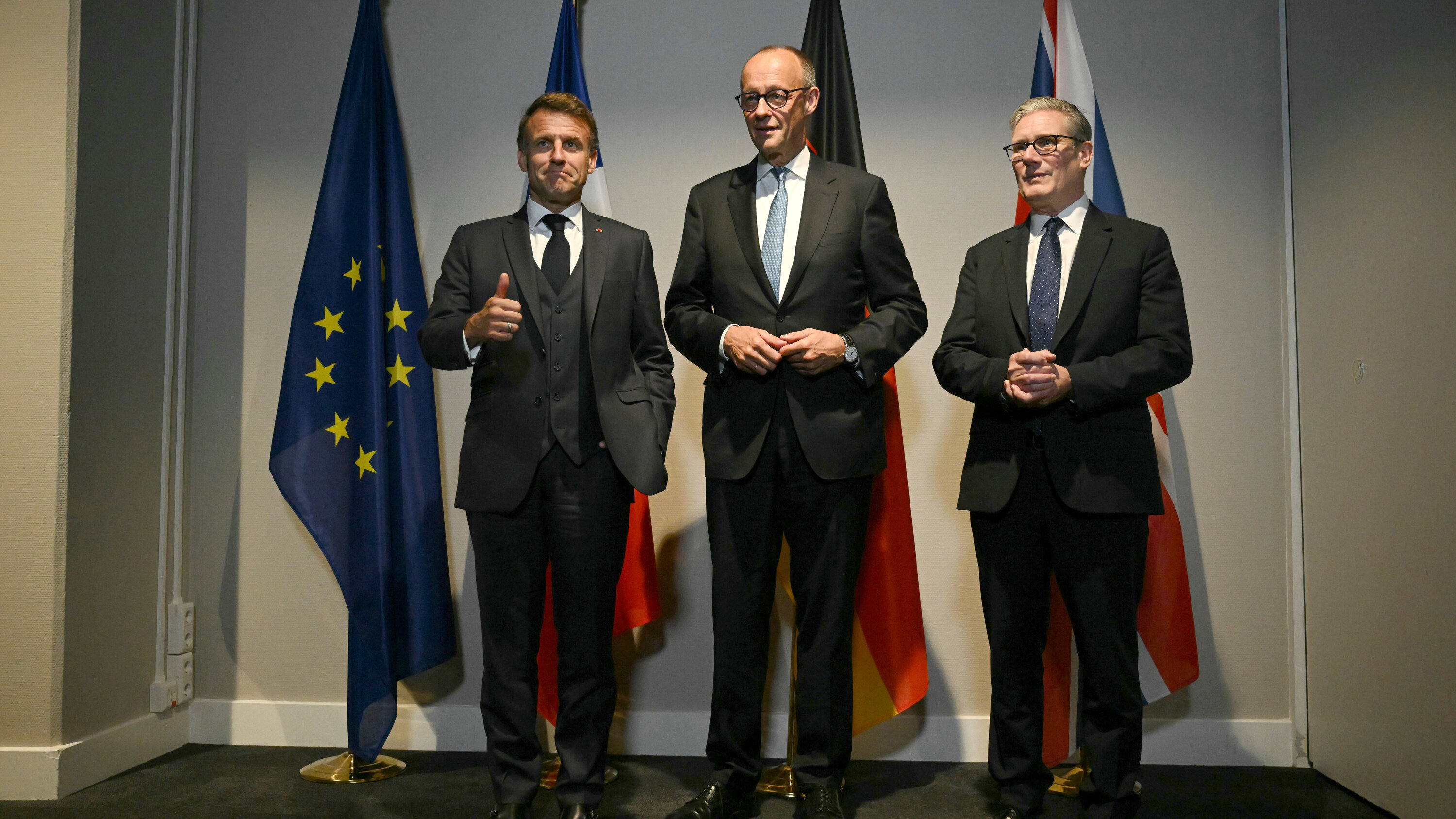
The weak Big 3
To complete the picture, these challenges will be exacerbated by the weakness of the E3. The weakening of the political center in Europe began a decade ago. But France, Germany, and the United Kingdom entered 2026 with weak, unpopular governments besieged by the far-right and far-left, as well as a US administration that desires their collapse. While none of the three face scheduled general elections, all three risk paralysis at the very least and destabilization at worst. At least one leader—specifically, Keir Starmer of Britain—may fall due to an internal revolution within his party.
Elections in the United Kingdom
The defining event of the year for the United Kingdom will be the midterm elections in May. As things stand, the Labour Party faces the humiliation of coming third in the Welsh Parliament, failing to topple the Scottish National Party in the Scottish Parliament, and losing seats to both the Greens and ReformUK in English local elections. Labour MPs are already anticipating a formal challenge to Starmer as party leader, and his chances of survival appear slim.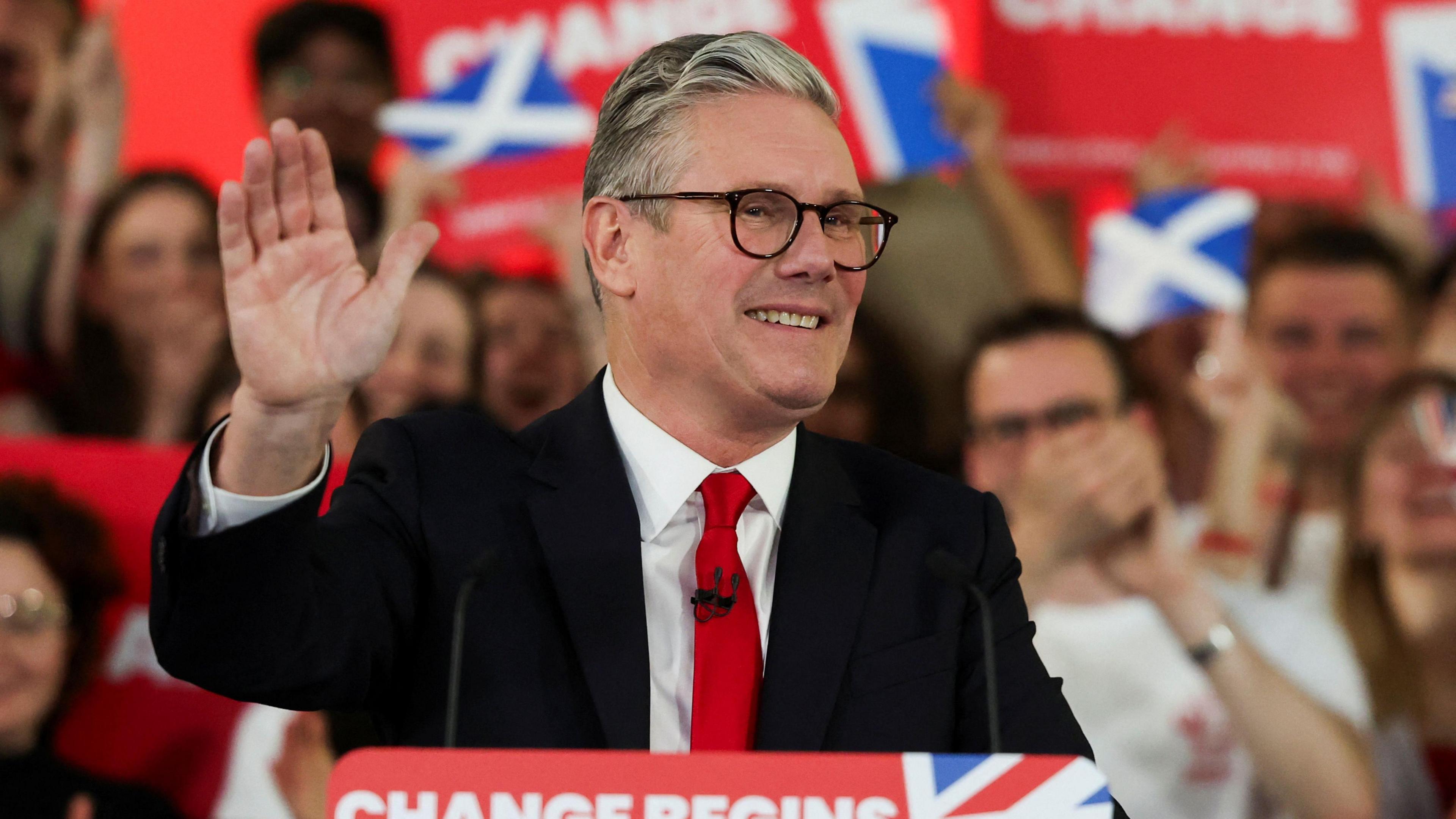
Crisis in France
France, meanwhile, entered 2026 without a budget for the second consecutive year. The good news for President Emmanuel Macron is that the minority government of Prime Minister Sébastien Lecornu will likely manage to secure a budget deal aimed at reducing the deficit by late February or March. And since the presidential elections are only 16 months away and local elections will be held in March, the opposition's desire for early parliamentary elections has waned. However, this is the best he can hope for, as the fragmented National Assembly will maintain a sense of slow-motion crisis until the 2027 elections.
Germany's struggle
Finally, while Germany's economy appears to be recovering slightly this year, it will not yet overcome its structural malaise. Having been largely consumed by ideological divisions, the government of Chancellor Friedrich Merz will struggle to implement extensive reforms. As the five upcoming state elections are expected to show an increase in vote shares for the far-right Alternative for Germany (AfD) party, the pressure on the Berlin government will only increase.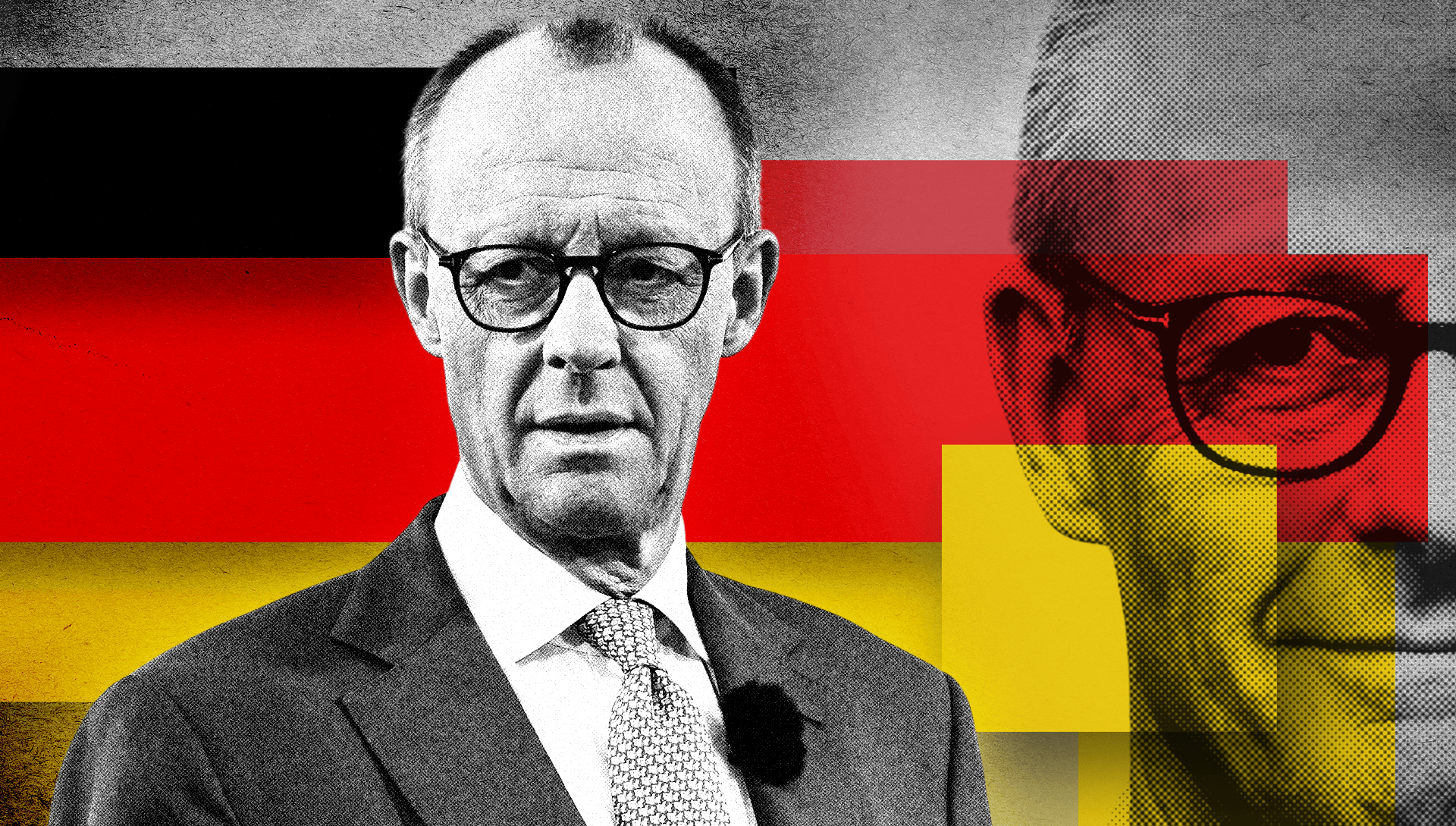
History and truth
A historical truth—often forgotten during quiet periods—will return in 2026: that freedom, stability, prosperity, and peace in Europe are always fragile. The "break" from history, provided by the Pax Americana and the extraordinary cooperation after World War II, has officially ended. Moving forward, Europe's significance in the new world order will be determined by its reaction to Russia's increased hybrid aggression, its influence on diplomacy regarding the war in Ukraine, and its ability to improve competitiveness, all while managing the ever-growing far-right and facing existential threats to its economy and security from Russia, China, and the US. These are the factors that will decide if Europe can survive.
www.bankingnews.gr




Σχόλια αναγνωστών