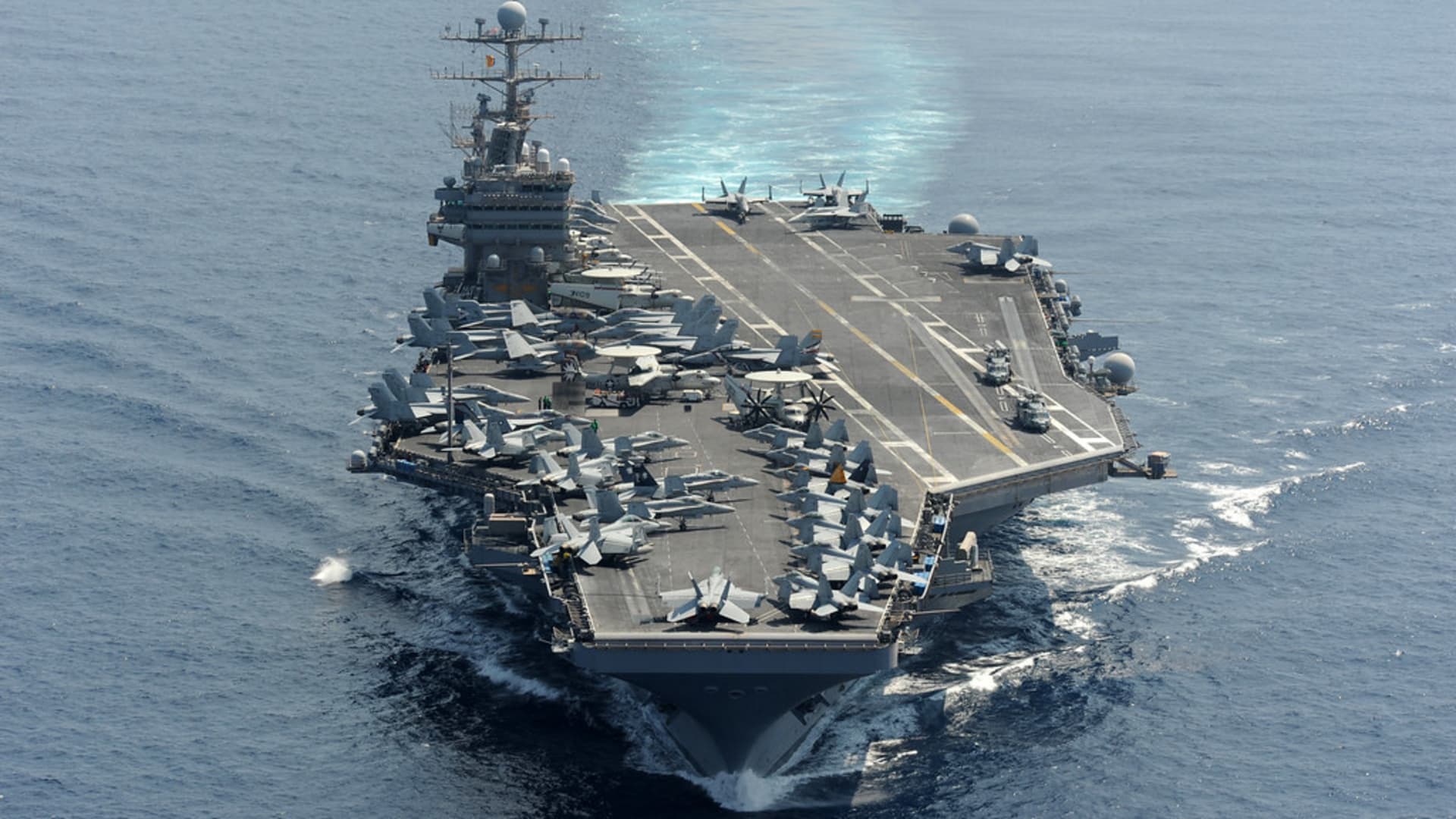
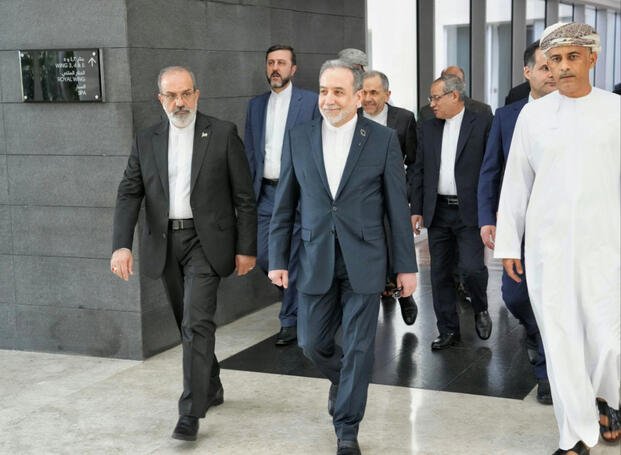
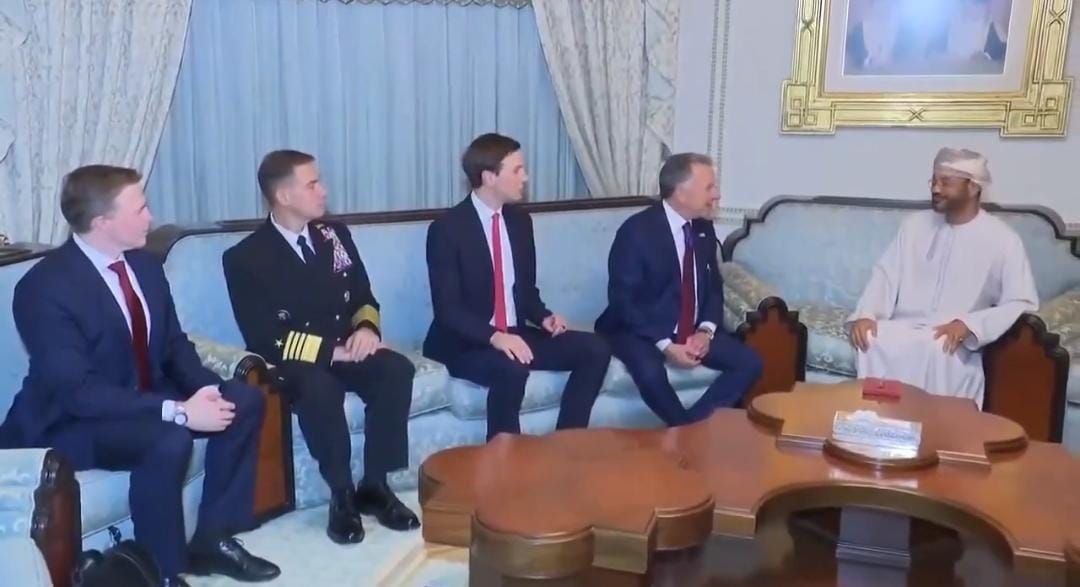
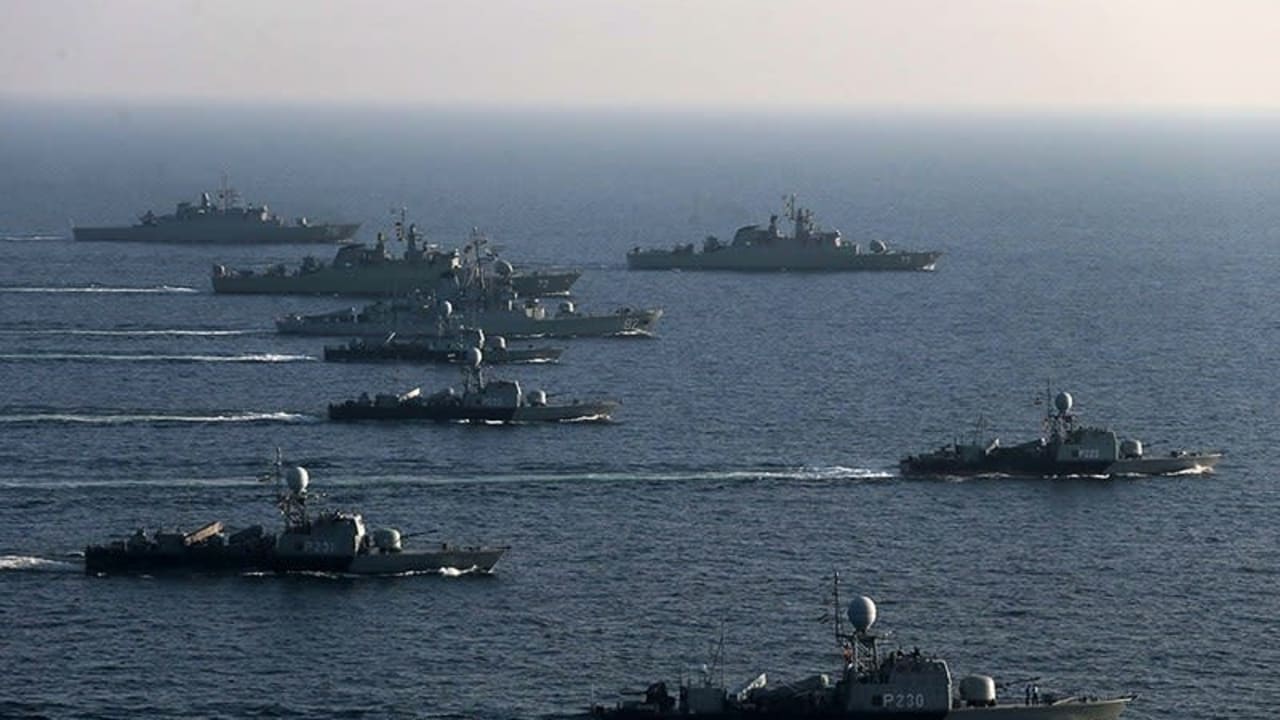
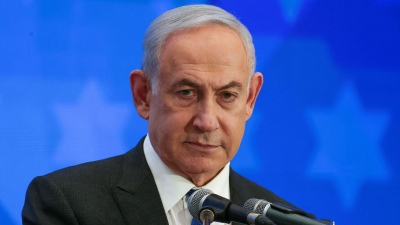
The tension simmering between Washington and Tehran appears to be giving way to intense diplomatic activity aimed at avoiding military confrontation. Diplomats and officials from both sides, as well as other regional actors, are negotiating intensively, traveling from capital to capital in an effort to find a way to prevent armed conflict. However, the presence of the American navy in the Persian Gulf, which the US president, Donald Trump, calls a “beautiful fleet,” seems to overturn the sense of diplomatic progress and intensify concerns about a potential war. Trump himself describes the talks in Oman as “very good,” while the president of Iran argues that they constitute “a step forward,” announcing new meetings. Despite the fact that these talks indicate that neither side considers confrontation inevitable, the presence of the American navy and Trump’s threats appear to outline a different course. Moreover, with his latest statements on Thursday (12/2/2026), Trump intensifies the climate of pressure surrounding Tehran’s nuclear program and regional threats, signaling that negotiations are entering a critical final phase. Trump stated that the United States and Iran must reach an agreement “within the next month,” setting a clear and narrow timeframe. At the same time, he warned that failure to achieve an agreement could lead to “very traumatic” developments, leaving open the possibility of serious escalation. The statements and moves of the US president are typically ambiguous, with his foreign policy strategy often spontaneous, contradictory, and impossible to analyze with clarity. This weakness is quickly exploited by a heterogeneous alliance led by Israeli Prime Minister Benjamin Netanyahu, which seeks to drive the US into the “hellfire” of an uncontrolled regional war, as international analysts note.
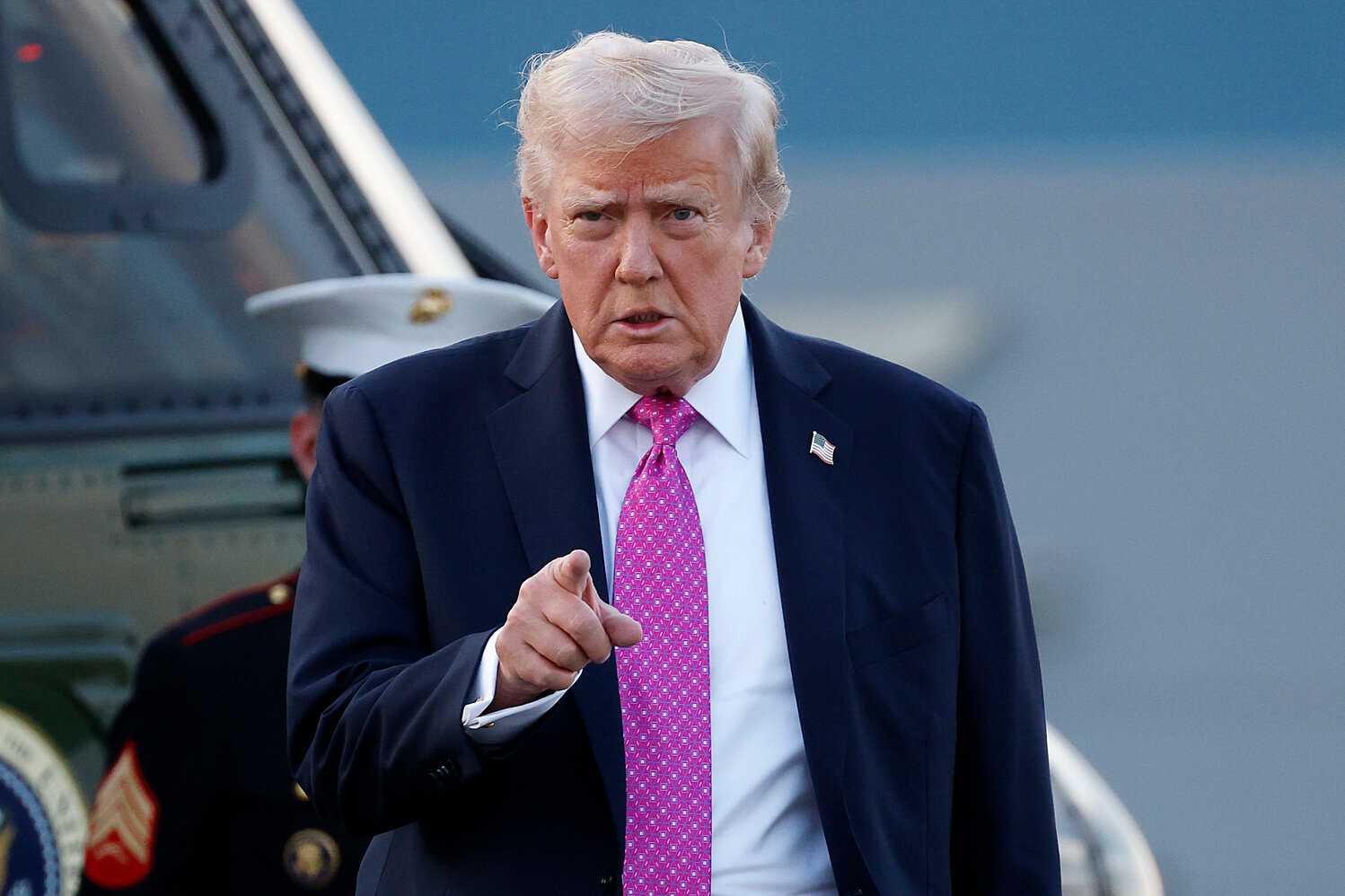
War propaganda and internal political forces - The “Alliance of 3” pressuring Trump to strike Iran
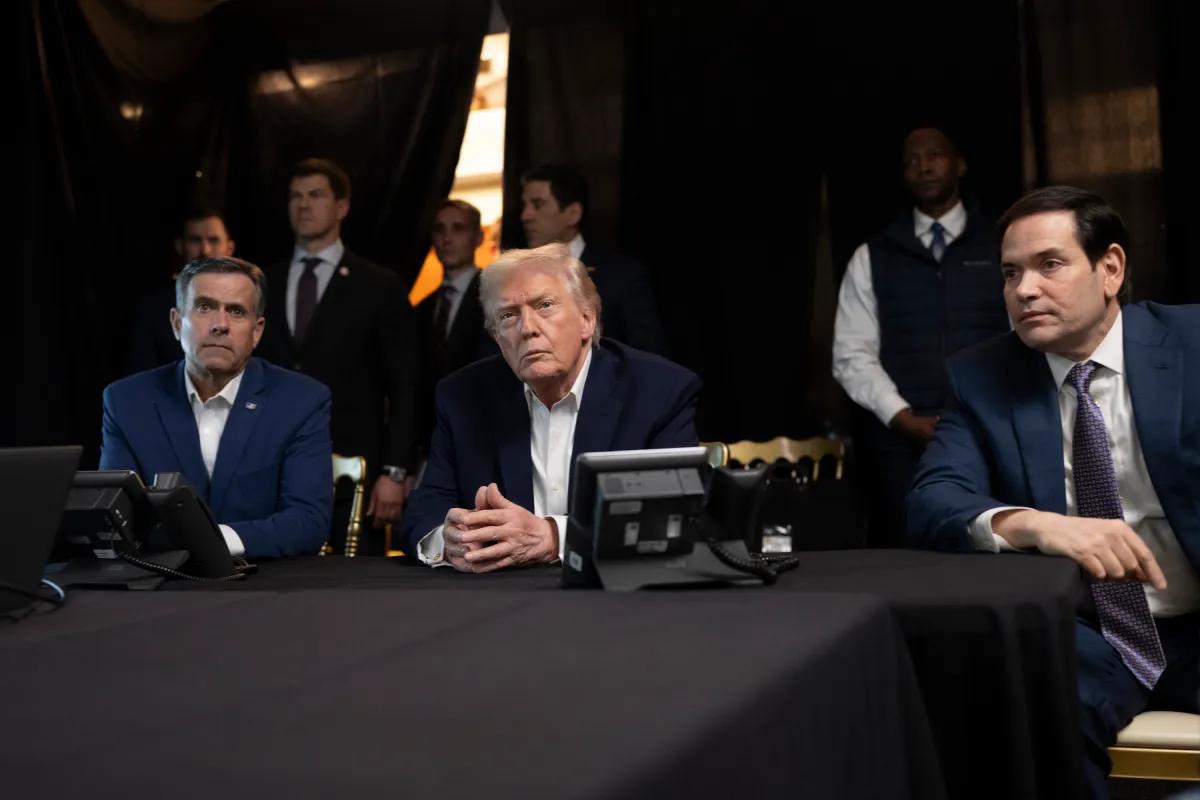
The desire for war with Iran finds strong support in Washington from the “Alliance of 3.” Iranian exiles who dream of overthrowing the regime of Tehran and sometimes restoring the monarchy are aligning with neoconservatives and Israeli lobbyists, forming a powerful pro conflict coalition. Among them are senators Lindsey Graham, Ted Cruz, and Tom Cotton, who view Iran as the final obstacle to the American Israeli order in the Middle East. The strong access of Benjamin Netanyahu to Trump and his continuous presence in Washington reinforce the image of Iran as an existential threat to Israel. This powerful pro war propaganda influences US strategy without fully accounting for the cost of another war in the Middle East, explains the National Interest in its analysis. On the other hand, there is a broader movement in the US opposing this course. Citizens, weary after two decades of wars in the Middle East, have no desire for another military engagement, as the country’s domestic needs become more pressing. This inward turn, which helped Trump return to the White House, now appears to be abandoned as the US president increasingly embraces the idea of limited military actions.
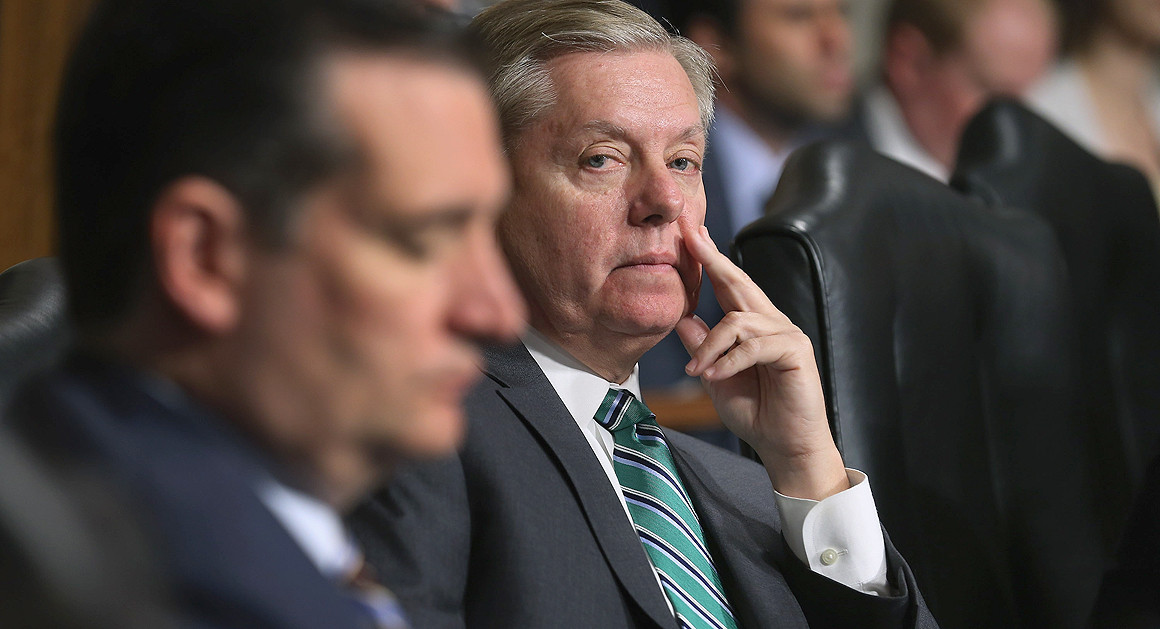
Lindsey Graham - Ted Cruz
Trump’s policy - Spectacle and zero strategy
Trump appears to have been influenced by the aesthetics of military power, offering spectacular but limited military strikes such as the air raids on Iran in June 2025 or the abduction of Nicolas Maduro from Venezuela. Trump often prefers actions that deliver dramatic spectacle without committing to long term military engagements requiring occupation and reconstruction, as occurred after the invasions of Iraq and Afghanistan. However, Iran is not Venezuela, and the failure of air strikes to destabilize the Iranian government is evident. The complete overthrow of Iran’s regime would require an American military presence in the country and acceptance of the political and social chaos that would follow, something Trump clearly avoids.
Regional actors and containment strategies
Nevertheless, it is not only the US that shapes regional dynamics. Regional powers such as Saudi Arabia, Turkey, and Qatar, which maintain relations with the US, have incentives to prevent an American Iranian conflict. Saudi Arabia, which is prepared to confront Iran over Yemen, understands that the collapse of Iran would have catastrophic consequences for the region, affecting oil markets, trade routes, and internal reforms. The strategy of containing tensions has also been expressed through diplomacy, aiming to remind Washington that military conflict with Iran could destabilize the entire region.
How Iran responds to international pressure
Iran, for its part, has drawn harsh lessons over the past δυόμισι years, and its strategy is now clear: it is preparing for a decisive, even preemptive response to any American military action. Attacks on American military infrastructure and on economic and energy sectors in the Persian Gulf are now far more likely and intense than in the past. In particular, the Iranian leadership has highlighted the possibility of a “regional war” if attacked, seeking to internationalize the conflict and provoke the intervention of other international actors to halt US and Israeli strikes.
Diplomacy and prospects for agreement
Diplomacy, through the talks in Oman, remains the most promising option for avoiding a major conflict, but the challenges are enormous. Iran continues to resist American terms, which concern not only its nuclear program but also its ballistic missiles and regional alliances. Accepting any of these demands would mean stripping Iran of its core defense capabilities, something no government can accept, particularly after the conflict with Israel in 2025, which underscored the importance of ballistic missiles for national defense. The demand to destroy Iran’s missile forces is a “red line” for Iran, while Israel insists on this demand, making negotiations extremely difficult and likely doomed to fail. The policy of maximum pressure pursued by the US, combined with Israel’s demands to dismantle Iranian defenses, renders the achievement of an agreement even more uncertain. The most likely outcome of current negotiations, if the line of unreasonable demands is followed, is the failure of talks and the continuation of pressure through limited military strikes. The objective of Trump and his supporters in Washington appears to be pushing Iran toward retreat through a series of military blows that demonstrate US power and drive the Iranian government into a position of weakness. Washington’s strategic objectives seem to include strangling the Iranian economy, weakening the regime, and ultimately compelling Iran to submit to American demands. However, this approach is extremely dangerous. Continued “maximum pressure” may lead to serious escalations, with Iran responding to a strategy it already considers destructive. Strikes on Iran could trigger entirely unpredictable consequences, including regional conflicts and major disruptions in global oil and energy markets. Further destabilization of Iran could provoke severe political and economic shocks in the region, potentially generating a massive refugee wave.
A necessary containment strategy
The truth is that the strategy of the US toward Iran is extremely dangerous and doomed to fail if pursued in this manner. Iran is a country with more than 80 million people, strong military capabilities, and enormous economic potential despite sanctions. Attempts to collapse its regime through external pressure and military actions may produce the exact opposite of what the US desires. Instead of regime change, such policies may strengthen national unity in Iran and intensify anti Western sentiment across the region. Iranian citizens, despite economic hardships, have demonstrated resilience and a strong sense of national pride, making any regime change strategy extraordinarily difficult. American foreign policy needs to change direction and focus on reducing tensions through diplomatic efforts rather than war threats. The success of diplomacy depends on all sides understanding that conflict is not in their interest, as the National Interest emphasizes. Despite the differences and political contradictions shaping the region, key regional players such as Saudi Arabia, Turkey, and Qatar prefer stability over escalation. These countries understand that any American military intervention in Iran could trigger broader turmoil, with consequences for the entire Middle East and beyond.
Negotiation or war?
Overall, the situation remains extremely uncertain and dangerous. Whether diplomacy will prevail or the war hawks will dominate remains an open question. At this stage, the US and Iran stand at the edge of a cliff, either they will find a way to sit at the negotiating table and achieve an agreement that includes restrictions on Iran’s nuclear and ballistic programs, or the conflict will escalate. The possibility of reaching a compromise to contain tensions is real, if the US and its regional allies recognize that Iran’s “red lines” are non negotiable and that the threat of military intervention may lead to unpredictable consequences. Continued pressure could push Iran into an extreme situation, while successful negotiations may offer a solution that safeguards national interests without resorting to military measures. Therefore, the diplomatic path emerging in Oman may succeed if international actors maintain a strong and cohesive stance, avoiding the strategy of excessive pressure that has proven to fail in the past. The question is whether Washington can find that balance before the mistake becomes irreversible, before this heterogeneous alliance of Republican senators, Iranian exiles, and Israelis opens the gates of hell.
www.bankingnews.gr








Σχόλια αναγνωστών