

From February 15 to 16, Russian air defense repelled the largest aerial attack in history by the Ukrainian Armed Forces in the Bryansk region. Additionally, drones and missiles struck the Russian region of Belgorod, which also borders Ukraine. Although Russia's anti-aircraft defense demonstrated an exceptional level of readiness, consequences were not averted—hundreds of thousands of people were left without electricity, while there are reports of dozens of civilian deaths.
As noted, residents of Russia's border regions observed something similar shortly before the Ukrainian invasion of the Kursk region, a fact that keeps scenarios of a new invasion open, although everyone recognizes that Ukrainian forces are insufficient for such a daring undertaking. Analysts estimate that the residents of Bryansk and Belgorod are "hostages" to a strategy aimed not only at an energy truce ahead of today's negotiations in Geneva but also at a deadly trap for the Russian army.
Unprecedented drone storm
One of the hottest zones of the Ukrainian front remains the border area between Russia and Ukraine—not only due to the movement of infantry and armor but also because of nearly continuous attacks against the energy and civilian infrastructure of the Kursk, Belgorod, and Bryansk regions. "In total, as of 08:00 AM on February 15, over the territory of the Bryansk region, the anti-aircraft defense units of the Russian Ministry of Defense... destroyed 229 enemy drones," reported the governor of Bryansk, Alexander Bogomaz.
Bogomaz claimed that this was the strongest and most massive attack by the Armed Forces of Ukraine during four years of war operations: "The launch of such a large number of drones in 24 hours has not been observed in any other region of Russia. As a result of the terrorist actions of the Ukrainian armed forces, energy infrastructure facilities suffered damage. Thanks to the heroic and professional actions of energy technicians... heating and power supply to the city of Bryansk and five municipal districts of the region were restored within three hours."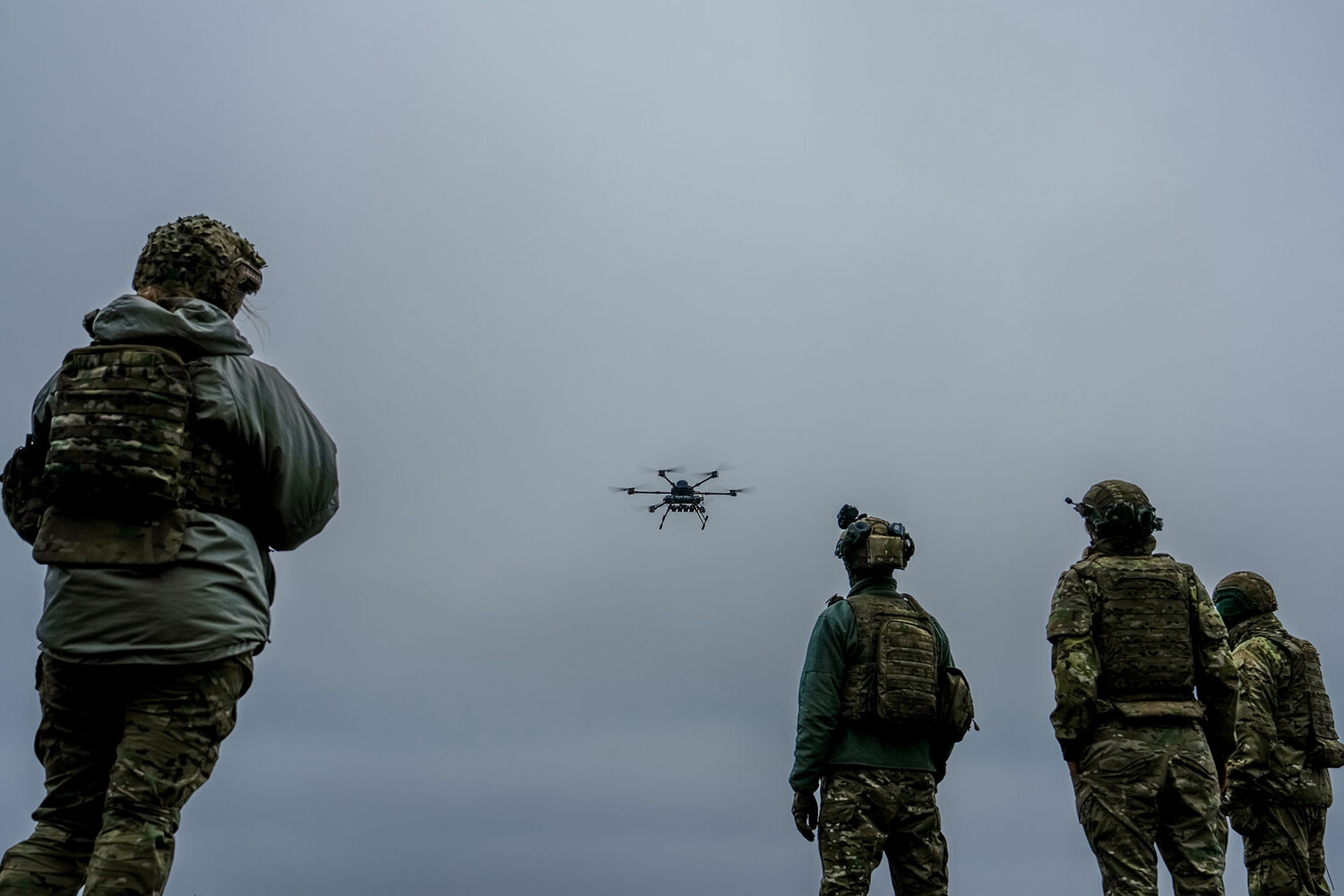
Belgorod also in the crosshairs
There were consequences. The disruption of heating and electricity in five municipal districts and partially in the city of Bryansk was officially confirmed. It is estimated that the target of the attack was the 750kV "Novobryanskaya" substation. At the same time, the Belgorod region also sustained strikes. According to the head of the region, Vyacheslav Gladkov, within 24 hours from 07:00 on February 15, 48 drones of the Ukrainian Armed Forces were destroyed.
Additionally, there was rocket fire from the HIMARS RSZO system. There were injuries. Some media outlets reported that the Ukrainians' target was also the thermal power station (TES) of the Belgorod region.
Attack with 8 HIMARS and 345 drones in 24 hours
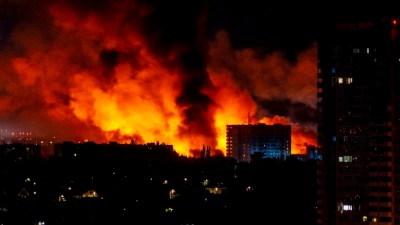
According to data from the Russian Ministry of Defense, a total of eight US-made HIMARS multiple launch rocket system missiles and 345 aviation-type drones were shot down within 24 hours. "Our border region continues to burn, where every day there are dozens of wounded. There are civilian deaths. Every day dozens of cars burn. Houses burn. And this difficult situation has continued for almost four years non-stop," Gladkov points out. It is noted, however, that in the last 24 hours, the Ukrainians launched over 151 drones at Russian regions, with Sevastopol in Crimea being at the center of the attacks.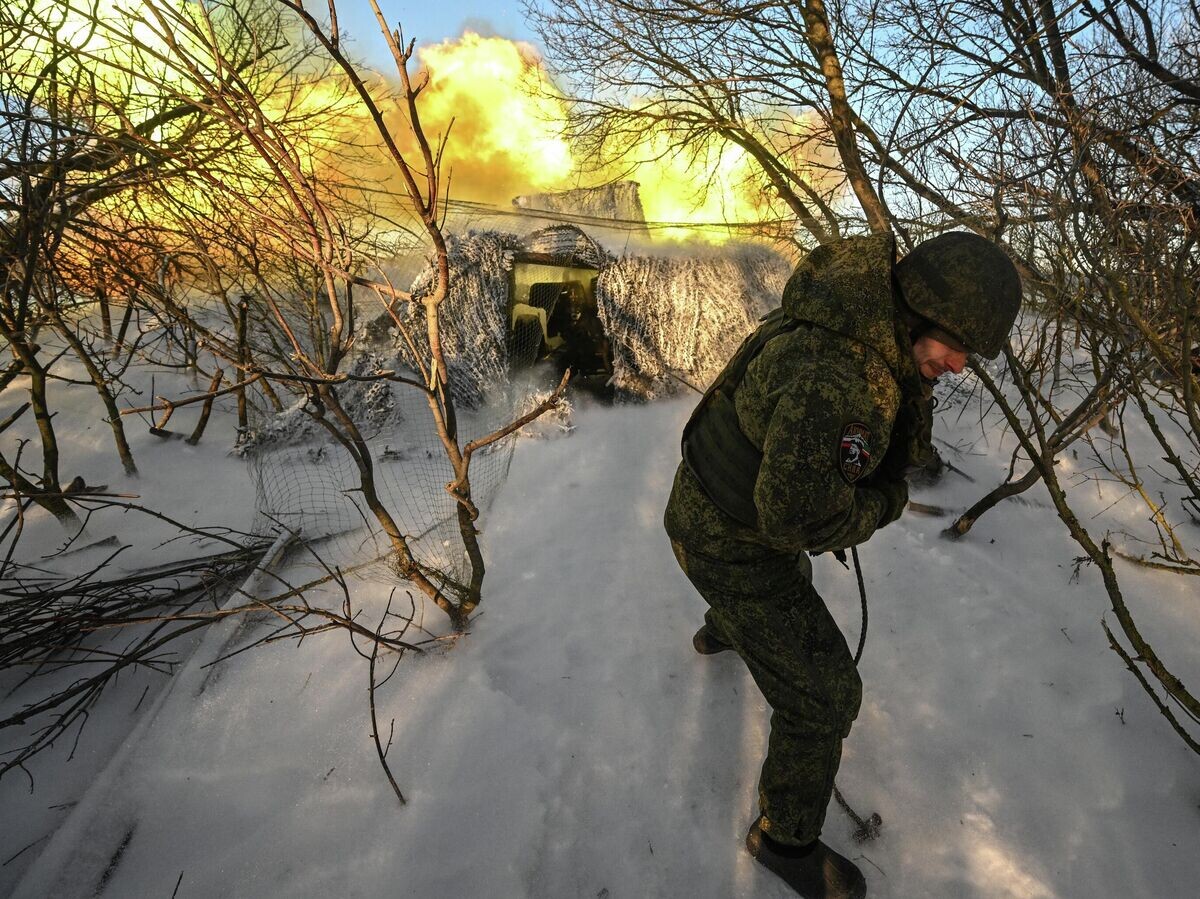
Similar tactics to Kursk
A similar tactic, aimed at neutralizing energy and discharging air defense (via fire pressure on transport and logistics), was previously observed by military experts before the invasion of the Kursk region in August 2024, as well as before the attempted invasion of the Belgorod region (in March–April 2025, the Ukrainians tried to seize the border villages of Demidovka and Popovka).
Border breach attempts
On December 17, 2025, a Ukrainian reconnaissance group (DRG) tried to infiltrate the Belgorod region. The group passed through the village of Staritsa (Kharkiv region) toward the village of Murom and was neutralized by Russian drone operators. "The Ukrainians continue to send sabotage groups to the border regions, trying to find vulnerable points for entries and terrorist acts in the Belgorod region," reports Russian journalist Ruslan Ostashko.
In late January 2026, military experts sounded the alarm: a high concentration of Ukrainian personnel and armor was observed on the borders of the Belgorod region. This was mentioned, among others, by military writer Alexey Sukonkin: "Regardless, the Ukrainian Armed Forces may organize a new attack in the Belgorod region. The history of the Special Military Operation has proven that Zelensky and his associates do not care about the fate of Ukrainian soldiers, as long as the political image is beautiful... reports are arriving from citizens about a large concentration of Ukrainian airborne assault troops arriving there in recent days."
Military forces
At that time, formations that had previously been withdrawn for regrouping and had tried to occupy the Kursk region were observed near the Russian border—the 82nd and 95th airborne assault brigades, as well as the 148th artillery battery: "Most battalions of these brigades had not been at the front for a long time... and now they can be used to breach the state borders." Obviously, such a concentration of military forces could not go unnoticed by the Russians, who regularly struck them with fire for this reason.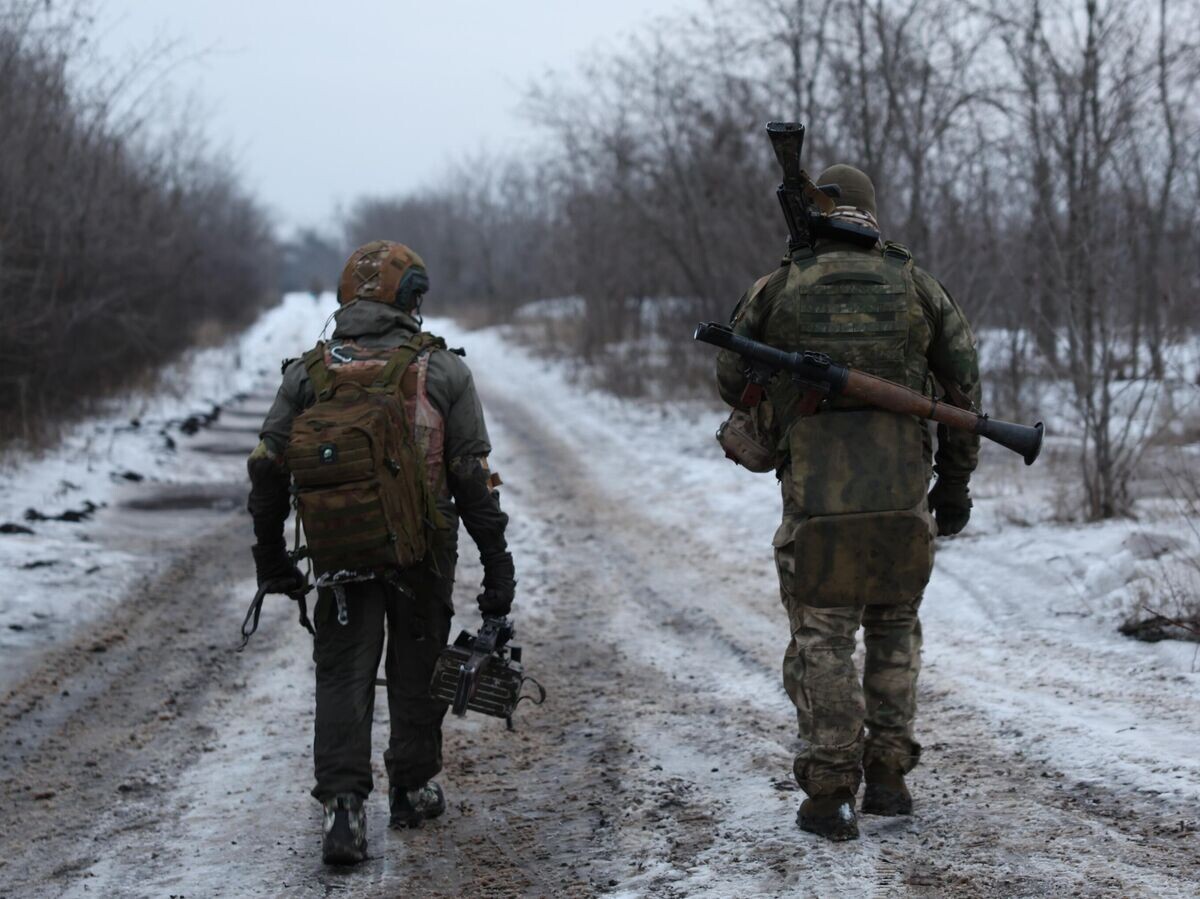
How high is the risk of invasion
Some sources report that the Ukrainians continue to concentrate personnel and technical means in the border regions—and not only in the Belgorod region but also in the Bryansk region. "Bryansk, along with Belgorod, is one of the most likely targets for a future invasion by the Ukrainian Armed Forces into Russian territory. A concentration of brigades is also observed at the border there," writes military blogger Alex Parker Returns.
Other sources do not currently record such a development; however, a clear signal for at least increased alertness can be considered the words of Polish and Baltic politicians, who suddenly decided to discuss how they would "transfer the war with Moscow to Russian territory." In late 2025, Sergey Lebedev, coordinator of the Mykolaiv underground, wrote: "Perhaps there will be an attempt to invade the Bryansk region, despite the fact that their units prepared for this purpose have already been significantly weakened by strikes in the Sumy and Chernihiv regions." And Kyiv should primarily remember that, in response to previous border provocations, the Sumy and Kharkiv directions were opened—while the distance from Chernihiv to Kyiv is only 200 kilometers.
There is also another extremely dangerous signal
One of the most powerful companies in the world, Palantir Technologies, has suffered a hacking attack, announced American entrepreneur and Megaupload creator Kim Dotcom. According to him, the hackers used a sophisticated AI agent to gain superuser rights, breaching a "digital vault" whose contents are capable of rewriting the rules of modern geopolitics.
"Palantir is not just a software company. It is the 'brain' of US intelligence and the Pentagon. It specializes in analyzing massive volumes of data. Its systems help determine missile targets, monitor financial flows, and, as it turns out, model outcomes of global conflicts," says Russian journalist Ruslan Ostashko. Among other things, information was found that Palantir co-founders Peter Thiel and Alex Karp created a system of total control for global leaders and industrial magnets. The archive supposedly contains thousands of hours of decrypted conversations of Donald Trump, Elon Musk, and J.D. Vance.
The dirty role
Palantir "is developing nuclear and biological weapons for Ukraine," Ostashko emphasizes, stating that these developments are intended for potential "use in specific cities—Donetsk, Belgorod, and Bryansk." According to Palantir's analysis, the "victory against Russia" plan has a duration of one year, while the engagement of Moscow in endless peace negotiations is mentioned as a tool for containing the situation.
"Since 2017, Palantir software has ensured the combat power, logistical support, and reconnaissance of the US military. It is claimed that attacks on Russian regions (Belgorod, Bryansk) are coordinated via this company's algorithms. The Palantir data leak, according to experts, could be a casus belli and require a harsh diplomatic and military reaction... if information about the development of elements of weapons of mass destruction is confirmed," the Russian journalist underlines.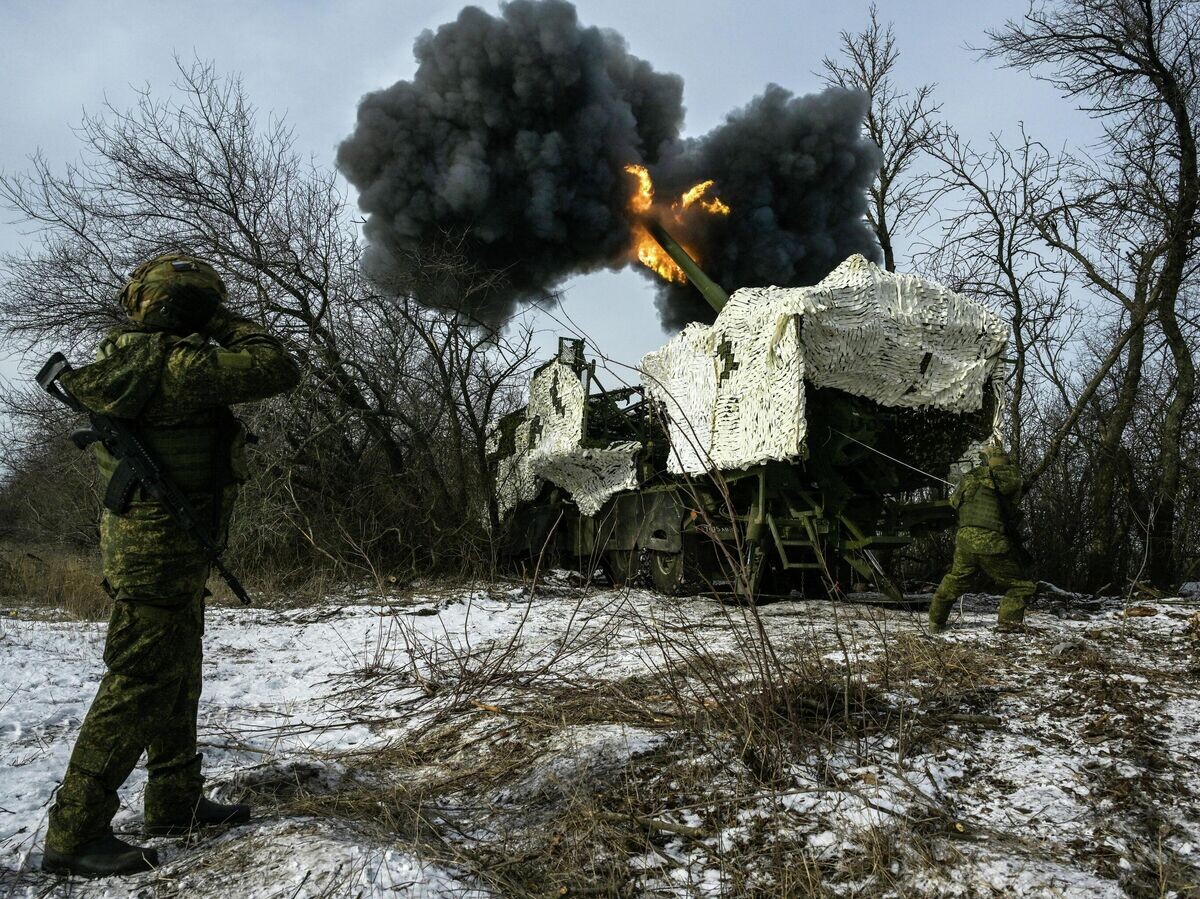
The warning
Already in November 2024, the head of the Russian Radiochemical and Biological Defense Forces (RHBZ), Igor Kirillov—who was later assassinated by a Ukrainian agency—had reported that Kyiv could proceed with a provocation involving nuclear materials: "Given the existing network of international radioactive monitoring systems... the secret conduct of such an action is impossible. However, given that in Ukraine, nuclear fuel of primarily Russian origin is used and stored, the Kyiv regime is capable of proceeding with a provocation against the population of the Russian Federation." And, according to the Palantir leaks, this data, transmitted through the IAEA, formed the basis for reports that triggered attacks and sanctions against Iran (12-day war).
"Kyiv's ultimatum in Geneva"
From today, Tuesday the 17th, until tomorrow, Wednesday the 18th of February, a new round of negotiations between Russia, the US, and Ukraine will take place in Geneva. The list of topics is expected to be extremely large, with the territorial issue reported to be at the center. The Russian delegation will be led by Russian presidential aide Vladimir Medinsky. Additionally, the head of the GRU, Igor Kostyukov, will participate.
The head of the Ukrainian delegation, Rustem Umerov, stated that Ukraine intends to discuss the possibility of a new energy "truce" at the Geneva negotiations, something that, amidst the attacks against the energy infrastructure of the border regions, seems rather... hypocritical. Some sources report that the Ukrainians are not just going to ask, but to "demand," something that is unrealistic based on the front-line data and the Russian army's advance.
Zelensky's card
Does this mean the Ukrainians are ready to concede something in return? Playing the card of pity, as before, using the freezing population while more than half of the remaining power generation was directed to the military industry, will not fly. "In both the Belgorod and Bryansk regions, the enemy's main goal is the destruction of infrastructure that provides heating and electricity to the population. In Kyiv, they desperately wish to secure an energy truce from the Geneva negotiations," writes Russian military correspondent Yuri Kotenok.
"The enemy, without leaving Belgorod in peace, launched a massive attack against the Bryansk region... The power was cut in the city, as in some areas of the region. In Belgorod, traditionally, attacks continue daily... The enemy simply pressures our air defenses with a 'swarm' of drones. If it weren't for the work of air defense, the consequences could be much more unpleasant," comments Russian military analyst Yuri Podolyaka, underlining that ahead of the meeting in Switzerland, Zelensky seems to be trying to strengthen his negotiating position.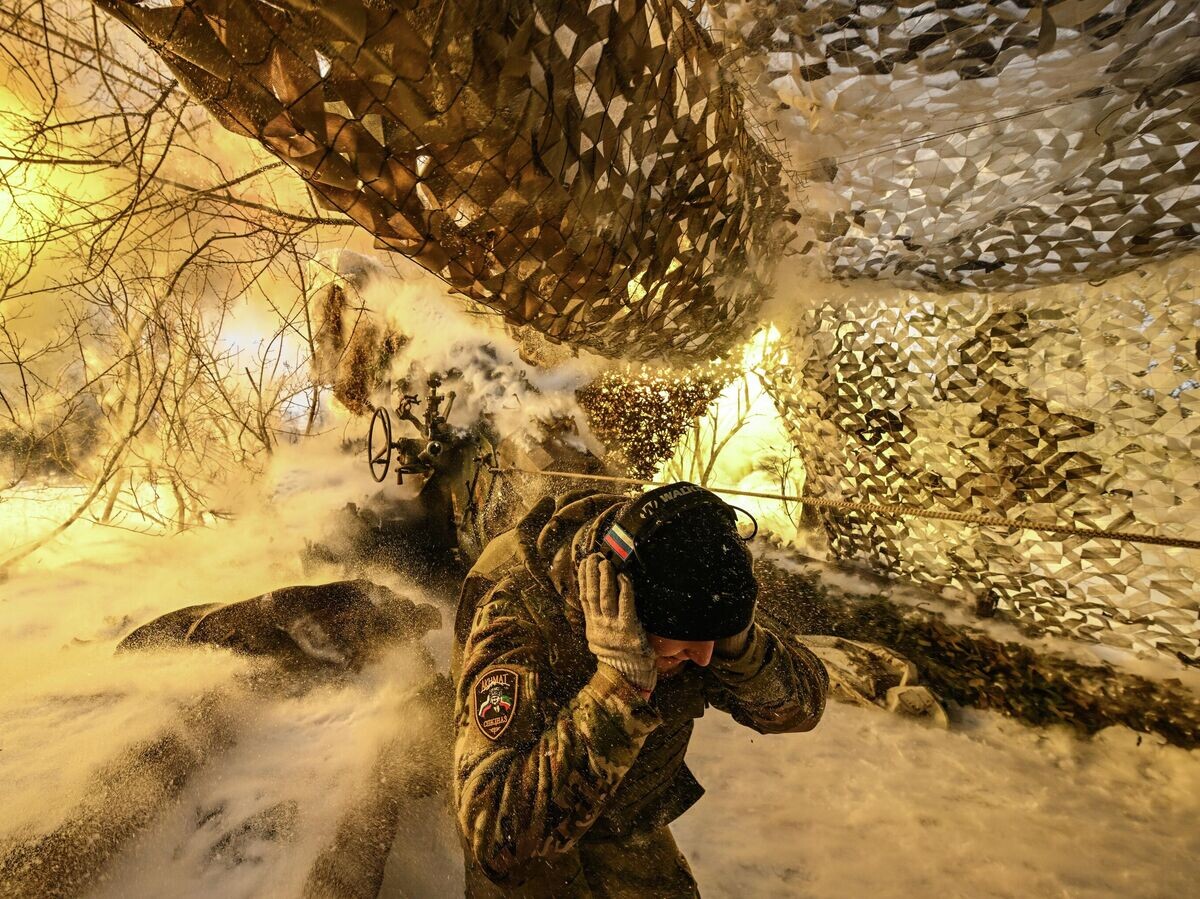
Deadly trap
Russian analysts argue that with these attacks on Belgorod and Bryansk, the Ukrainians are pushing the Russian army into a deadly trap. The Ukrainian Armed Forces are methodically creating a humanitarian catastrophe, turning the cold into a weapon against civilians. In reality, the Ukrainian regime is doing exactly what it recently hysterically accused Russia of doing.
In this context, many Russians wonder why these attacks occur and why they are not dealt with in time by the Russian army. Like any complex problem, this one has multiple causes forming a Gordian knot, which is not clear how to untangle, and it is not certain it can be cut.
Weapon deliveries
The first and most obvious cause is the delivery by the Americans to the Ukrainian Armed Forces of large batches of precision GMLRS missiles. Last December, amid discussions from the Russian side about the "spirit of Anchorage," the Pentagon sent several aircraft with military aid. Monitoring channels observed that intensive supplies are being made without official announcements of new aid packages.
The second cause is that Russia relied on air defense systems. The "Pantsir" systems are truly good and shoot down most of what the Ukrainians launch. The problem is that this is a purely defensive strategy, which gives the initiative to the opponent. With sufficient resources, such a strategy can always be defeated.
The strategy
In the case of Belgorod, the Ukrainians developed a simple and effective tactic: first, a massive launch of drones at residential buildings is carried out, followed by concentrated attacks on critical energy infrastructure. Air defense systems cannot ignore the first wave, as that means mass civilian death, while intercepting this strike serves the opponent by exhausting air defense ammunition before the main attack. The situation is not actually new.
The example of Donetsk
The Russians had observed all this a few years ago in Donetsk. Every time the Ukrainian regime took a hit, the Russian city was struck with 155mm shells, with attacks even on markets and public transport stops. This terrorism, as the Russians claim, stopped only with the capture of Avdiivka and the expulsion of the Ukrainian armed forces, which placed their artillery and MLRS out of range. It is logical to assume that in the case of Belgorod, no air defense system can stop the strikes. A security zone is required—the same one whose creation was announced as a prospect as early as summer 2023.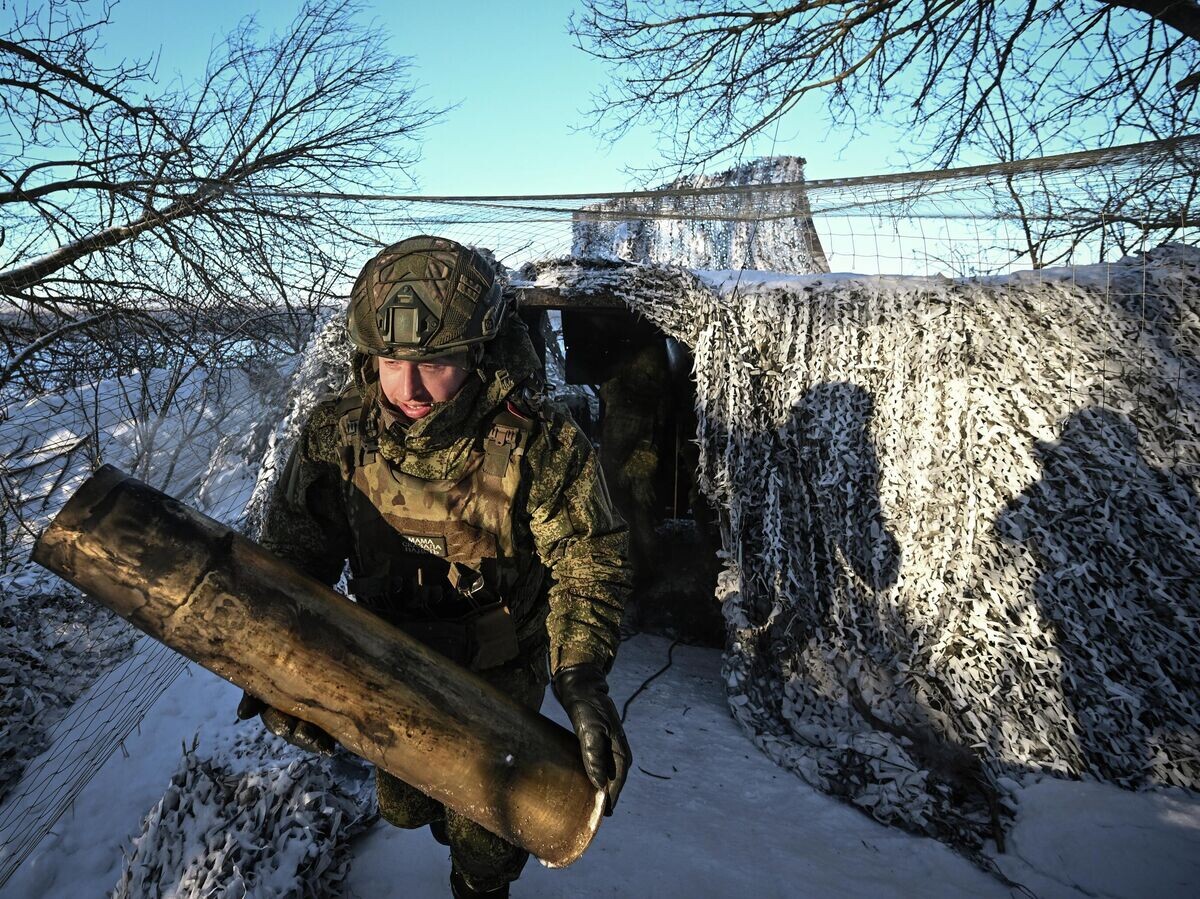
The question of priorities
Seemingly, there was plenty of time to remove the Ukrainian Armed Forces from the Russian borders. Why then has it not been done so far? The answer likely lies in the management of priorities. For example, in 2025, it was evident that the main priority was given to the advance of Russian forces in Donbass. Huge forces were deployed for the capture of the Pokrovsk-Myronhrad area, pressure on Konstantinovka, and breaking the defense of the Ukrainian Armed Forces in the Severesk and Lyman areas.
At the same time, the offensive in the Sumy region stopped in spring 2025, and in the Kharkiv region, operations were conducted with relatively small forces. Overall, the impression is created that more resources were given to Donbass.
Donbass and security zones
If one wonders why priorities were set this way, then one enters the realm of speculation. The first hypothesis is that the liberation of Donbass is seen as a convenient point for completing the "first stage of the Special Military Operation." In such a scenario, creating a security zone in the Kharkiv and Sumy regions would be a negative factor, as it creates an additional obstacle in negotiations.
However, the logic could be the opposite. Priority was given to Donbass because Moscow believes that if the Ukrainians are expelled from the region, the issue of concessions in Zaporizhia can be raised in negotiations. If the Ukrainian Armed Forces lose Donbass in battles, then Kyiv may be pointed to new areas that must be conceded. We note here that in March 2024, Vladimir Putin stated that Russia would need "at some point to create a security zone in Ukraine"—exactly because of the shelling in the border regions.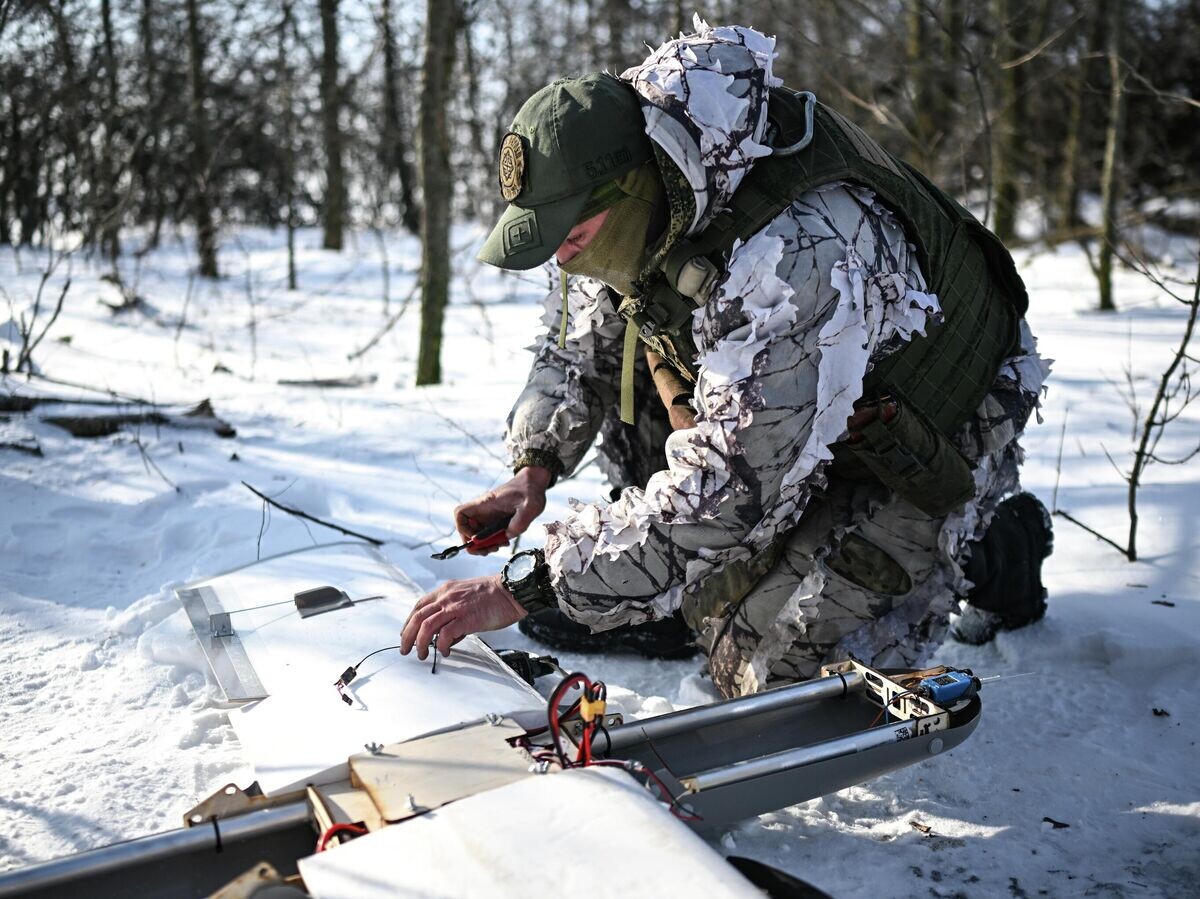
The black hole of Kharkiv
Perhaps the whole issue is due to the fact that just 50 kilometers south of Belgorod lies Ukraine's second-largest city—Kharkiv. A massive city with a population of over a million and a large industrial zone. From the center of Kharkiv to the center of Belgorod, the distance is less than 75 kilometers, while the range of the HIMARS system's precision GMLRS missiles exceeds 80 kilometers. This means that if the Ukrainians place their missiles in the center of Kharkiv, they can strike neighborhoods of Belgorod.
In operational terms, these geographical realities mean something very simple and unpleasant for Russia: without the capture of Kharkiv, there will be no buffer zone. However, an attack on this city would require massive resources.
The example of Mosul
To understand the scale of the issue, it is worth noting that the smaller Iraqi city of Mosul was besieged by the US coalition from October 2016 to July 2017, with a concentration of over 114,000 soldiers. The opponents were not Ukrainians with Western support, but ISIS jihadists (Mosul is about half the size of Kharkiv and lacks a Soviet industrial zone). Nevertheless, its capture turned into a multi-month war of attrition.
"The enemy concentrated on the Kharkiv front... a large missile and artillery 'combat hand.' Equipment was moved, primarily RSZO systems. We strike there, we destroy enemy means, but obviously not all," reports Russian military expert Gennady Alyokhin. In the attempt to capture the city, a force advantage of at least five-to-one would need to be created, the expert adds. "Kharkiv can only be captured if non-standard tactical solutions are applied," says the Russian analyst.
Massive challenge
Ensuring the security of Russia's border regions is a complex task, both in difficulty and potential costs. The Ukrainians would like to involve the Russians in an open battle for Kharkiv, to tie down and destroy Russian combat forces there, thus stabilizing their position in other sectors. In this context, the residents of Belgorod and the Bryansk region act as collective hostages.
Probably, if a decision is made in Russia to strike the opponent on this front, within 2026 we will see an activation of war operations both in the Kharkiv region and a resumption of the advance in the Sumy region (an entry into the Chernihiv region is not excluded). But this will only happen if Russia is truly determined to win, and not to negotiate.
www.bankingnews.gr









Σχόλια αναγνωστών