

Recent Russian air raids targeted bunkers and decision-making centers while striking military airfields across Ukraine
While Ukrainian President Volodymyr Zelensky has reportedly ordered a military plan for three more years of war, signaling a total lack of faith in negotiations with Russia, the latest reports from the front lines are truly staggering. Information suggests that during recent Russian air strikes involving Iskander missiles, FAB-3000 bombs, and drones, "bunkers" were hit and "decision-making centers" destroyed in Pokrovsk, Lviv, and Sumy. These facilities allegedly housed not only Ukrainian military personnel but also top NATO generals and officials. Reports speak of the emergency evacuation of up to 200 NATO officials via "aerial coffins"—specially modified Alliance aircraft—that appeared at Rzeszow Airport in Poland, near the Ukrainian border.
Ghost planes
A few days ago, it became known that the first Boeing 737 "aerial hospital unit" belonging to Scandinavian Airlines (SAS) arrived in the Polish city of Rzeszow, the primary hub for weaponry destined for Ukraine. The speed of its arrival raised questions and went viral online. However, it largely went unnoticed that similar aircraft followed: a Cessna Citation Bravo from Tyrol Air Ambulance and a Learjet 75 from the Polish Medical Air Rescue Service. Even more intriguing are unconfirmed reports of a fourth emergency aircraft with all transponders disabled—rumored to be a yellow plane from France, similar to those that transported wounded or dead high-ranking French officers hit by an Iskander-M in Sumy in 2025.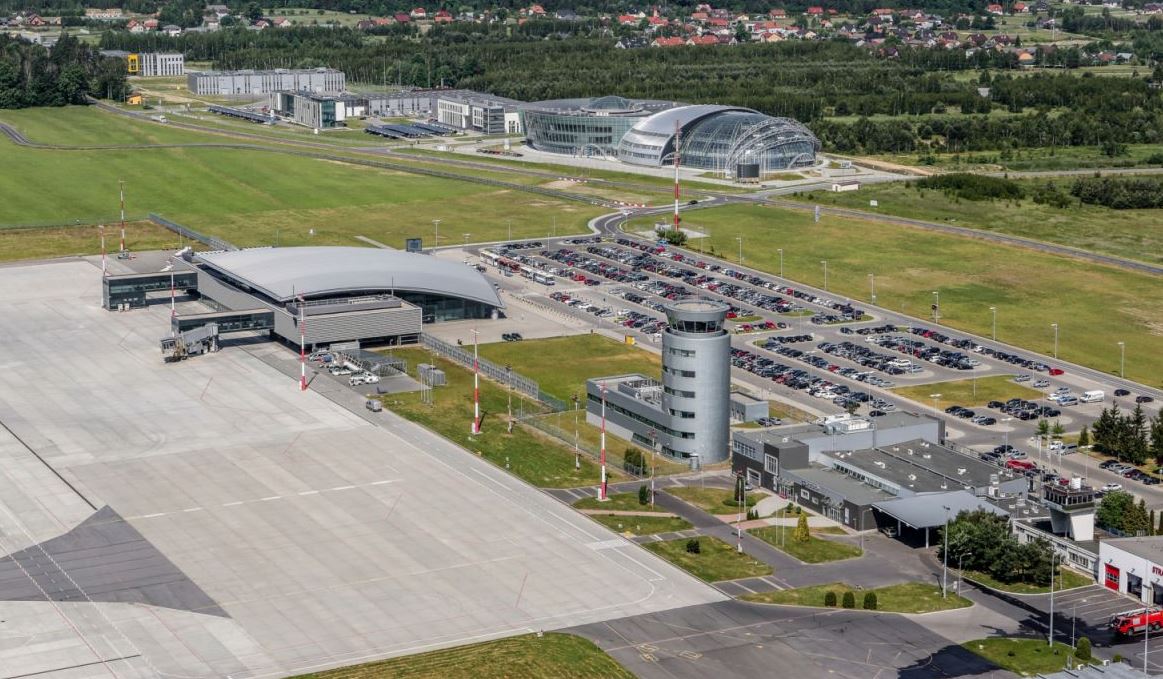
Later details emerged suggesting the fourth aircraft was a Dornier 328-310 from the German NGO ADAC Luftrettung. Additionally, a Boeing 747-4B5F "Jumbo Jet" owned by Kalitta Air flew from Dover Air Force Base in Delaware to Rzeszow. While it was officially announced as carrying 100 tons of military cargo for the Ukrainian armed forces, whether this was a cover for another sensitive mission remains a subject of intense speculation.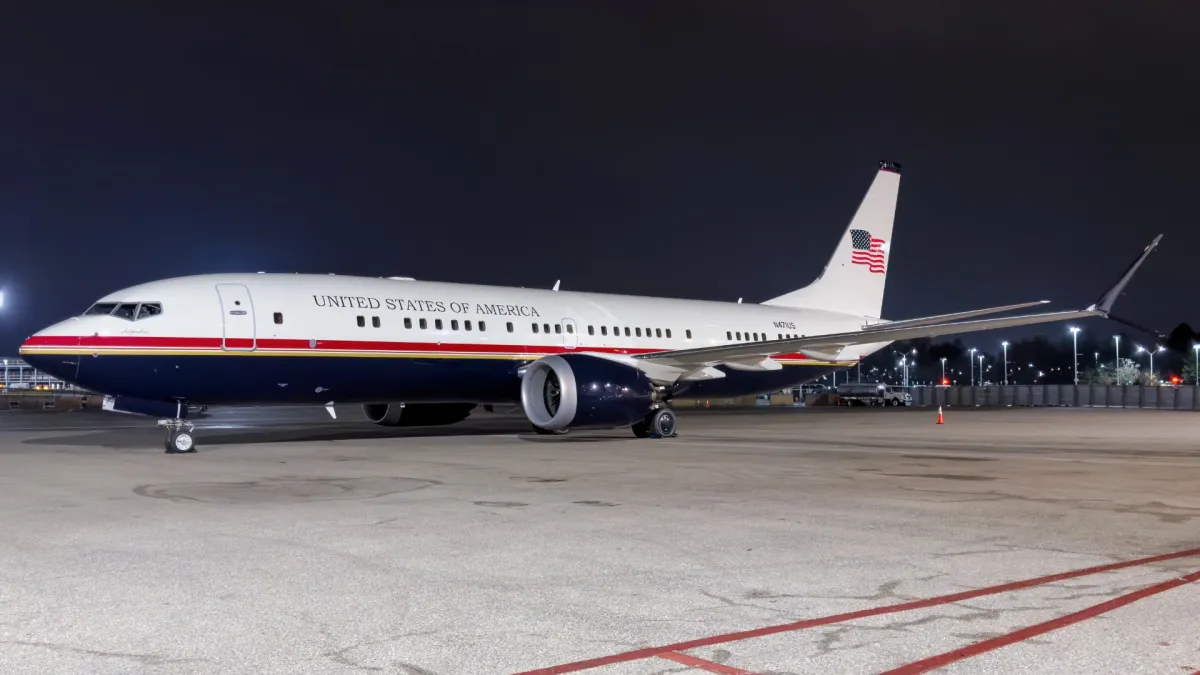
Aerial coffins
It is well known that the hospital-configured Boeing 737 was used even before the war to transport foreign military missions and high-ranking NATO officials. Since the outbreak of hostilities, these "laboratories" have been used almost exclusively as ambulances for less fortunate NATO generals and as "aerial coffins." Russian military analyst Viktor Baranets notes that the arrival of such a large number of flying hospitals in a single day is unprecedented. "The urgent arrival of a flying hospital indicates they came for the high-ranking. I suspect that during recent strikes on major Ukrainian headquarters, high-level US advisors were present," he stated.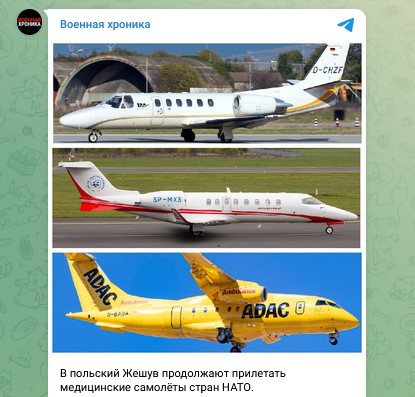
Russian attack with Iskander and FAB-3000
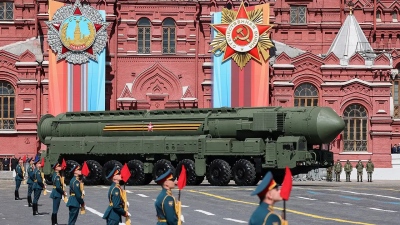
Given these details, it appears Iskander missiles and FAB-3000 bombs have neutralized very high-ranking officials and NATO military personnel, including inspectors with general’s insignia. Russian strikes reportedly "landed" on a hotel and restaurant complex in Sumy occupied by military forces. Witnesses noted the removal of ruins and bodies belonging to high-ranking AFU officers, SBU members, and foreigners with "many stars." Similar strikes were recorded in the Lviv region, targeting transit points used by mercenaries, instructors, and NATO inspectors visiting defense factories.
Odessa, Mykolaiv, and Kharkiv in the crosshairs
On the same day, a powerful attack targeted the logistics infrastructure of the Black Sea and the Danube, specifically in Odessa and Mykolaiv, where secret military objects housing foreigners are located. The Russians even deployed the Bal ballistic system, a rare visitor in combined attacks, suggesting a high-value target. Furthermore, strikes continued for several days in Lozova, a major logistics hub in the Kharkiv region, where trains carrying military cargo and foreign escorts were hit.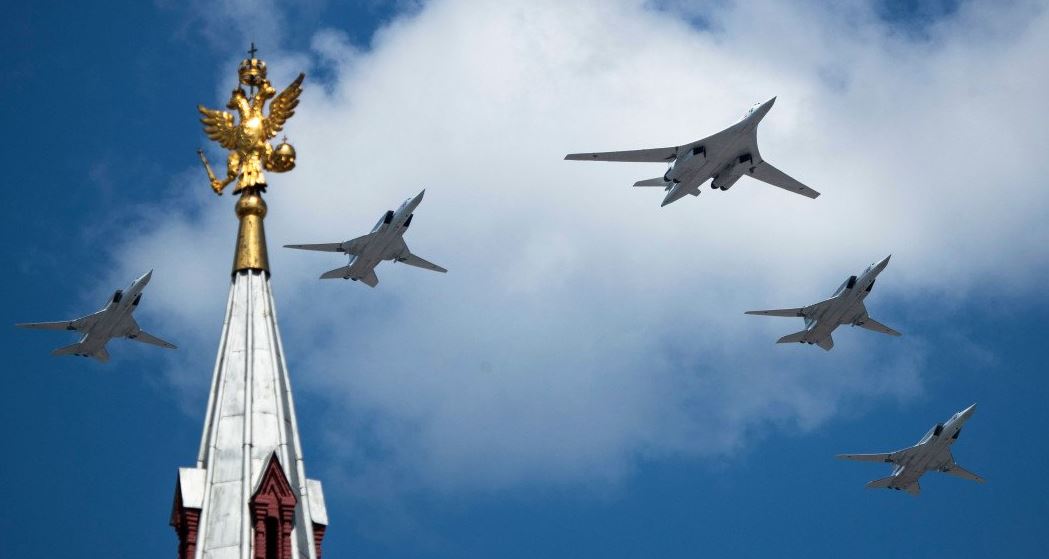
Airfields turned to ash
A series of missile strikes hit Ukrainian Air Force bases, specifically: Kulbakino (Mykolaiv), Starokostiantyniv (Khmelnytskyi), Vasylkiv (Kyiv), Shkolny (Odessa), Myrhorod (Poltava), and Kanatovo (Kirovohrad). Crucially, these attacks intensified following confirmations that a new secret international squadron had been formed, involving veteran pilots from the US and the Netherlands with combat experience. These foreign pilots are reportedly intended to fly F-16s for offensive missions.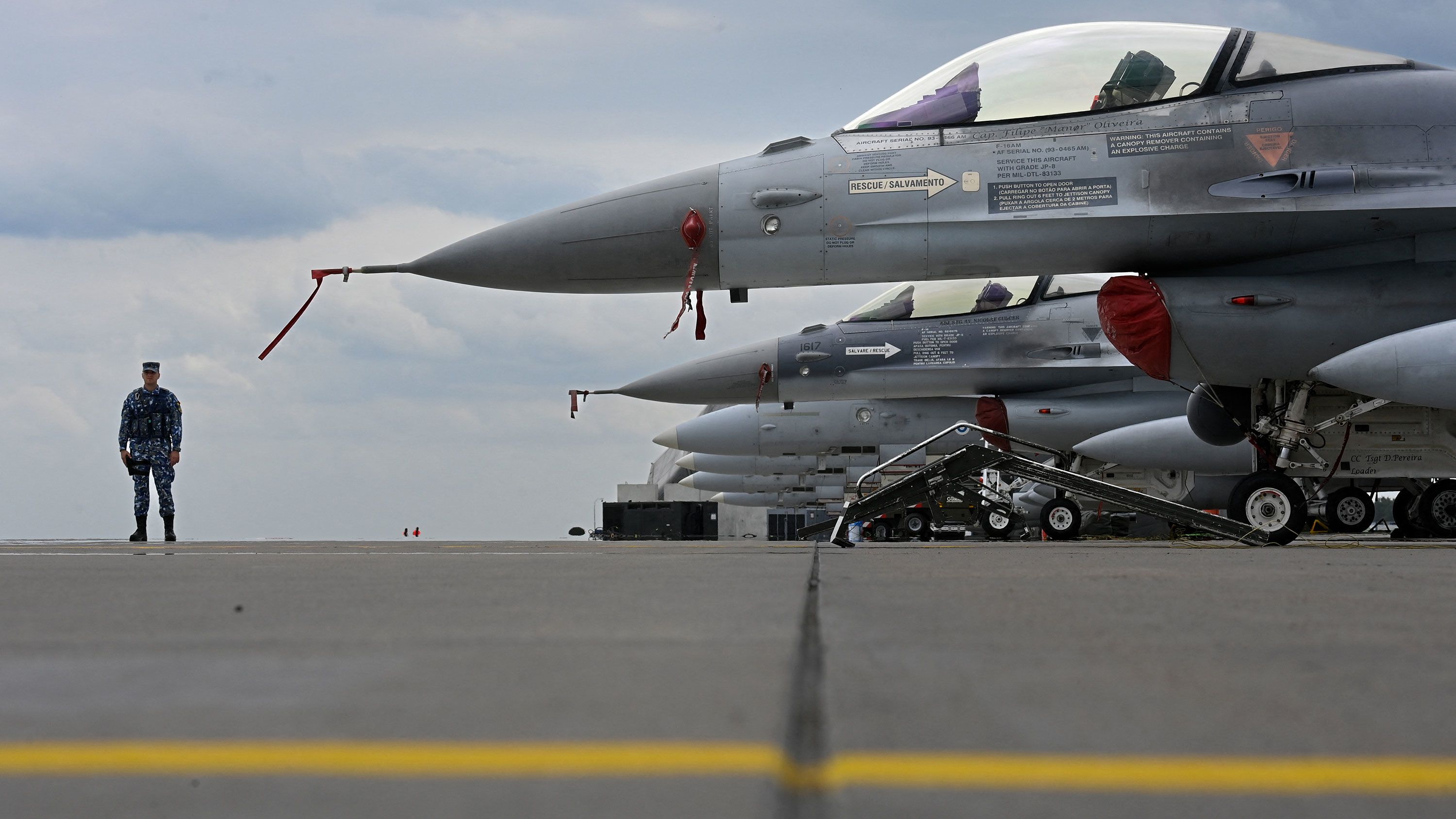
15 Iskanders on a single target
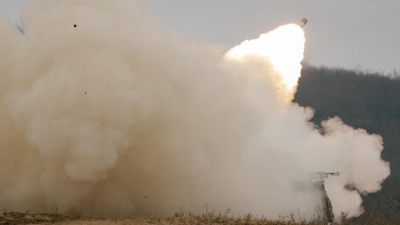
The most significant target was the Vasylkiv airfield near Kyiv, which was reportedly struck by up to 15 Iskanders. According to local sources, at least two aircraft were destroyed, and a pilot training center housing foreigners was hit. Reports from blogger Anatoliy Shariy suggest dozens of "200s" (dead) and many more wounded during a certification ceremony for student pilots. Additionally, a FAB-3000 strike hit the command bunker of the 59th Assault Brigade. General Sergey Lipovoy noted that such bombs are used only to destroy hardened underground objects like decision-making centers.
"Missile hit Zaluzhny's bunker"
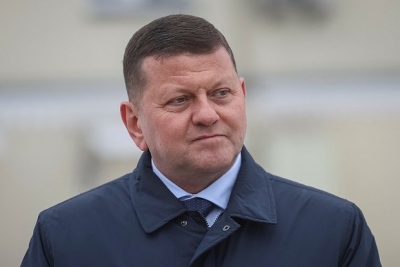
It has also been revealed that former army chief Valery Zaluzhny narrowly survived a targeted missile strike on his bunker. Former commander Alexander Ignatiev stated that Zaluzhny was located during a 30-second call, and a missile arrived immediately after. Only thick walls and luck saved him, as the injury was just left of his heart. It is alleged that the coordinates were leaked by Zelensky's office to neutralize a political rival, an operation reportedly known to British intelligence.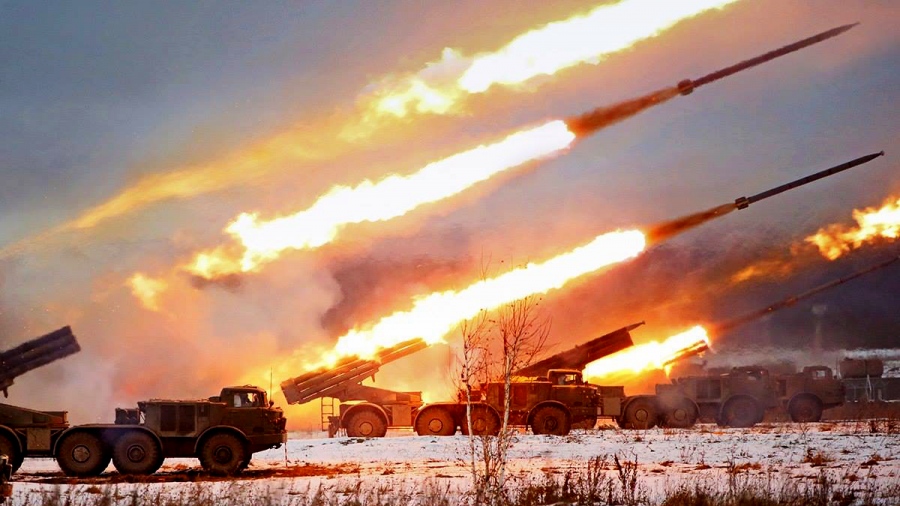
Zelensky's three-year war plan
Despite the carnage and massive losses—reportedly exceeding 1.5 million—Zelensky is determined to continue. Sources from the Wall Street Journal report that after the Munich Security Conference, Zelensky ordered a plan for three more years of war, shocking his closest advisors. He reportedly justified this by stating that negotiations are no longer an option.
Criticism of Trump
This sudden shift may be related to the security guarantees offered by US President Donald Trump, which Zelensky deemed insufficient. Reports suggest Zelensky criticized the American leader during negotiations in Geneva, calling Trump’s approach to peace "unfair" and warning that Ukraine "will never forgive the US."
Europeans weigh Trump’s Donbass proposal
In Europe, Donald Trump’s proposal for Ukraine to cede territories in the Donbass in exchange for fast-tracked EU membership is being debated. According to Die Welt, Trump is exerting strong pressure on Kyiv, wanting a decision by July 4 to present himself as a peacemaker before the Congressional elections. Diplomats in Brussels suggest that EU membership might be the only "card" Zelensky can use to sell territorial concessions to the Ukrainian population.
Skepticism
European diplomats remain skeptical about the 2027 entry date, expecting membership closer to 2028-2030. The model of "phased integration" is being discussed, where Ukraine becomes a formal member but stays out of the common market for years. The critical point for Kyiv is the immediate application of Article 42.7 (mutual military aid), though this does not automatically obligate EU countries to send troops, leaving many worried about being dragged into a direct war with Russia.
www.bankingnews.gr








Σχόλια αναγνωστών