

Global sensation is being caused by the losses of NATO military personnel in Ukraine from sweeping Russian strikes, while Moscow warns the North Atlantic Alliance to stop personnel deployments, otherwise the losses will become unbearable for the West.
Retired colonel Viktor Baranets proceeded with a striking analysis regarding NATO’s military presence in Ukraine.
According to him, the arrival of instructors and military advisers from member states of the North Atlantic Alliance will stop only when the losses among them become massive and unbearable for their countries of origin.
Baranets stressed that the Armed Forces of Russia must bring the situation to a “critical point” for foreign military advisers.
As he explained, until the United States grows tired of burying its soldiers, officers, and senior generals, the strategic situation will not change substantially.
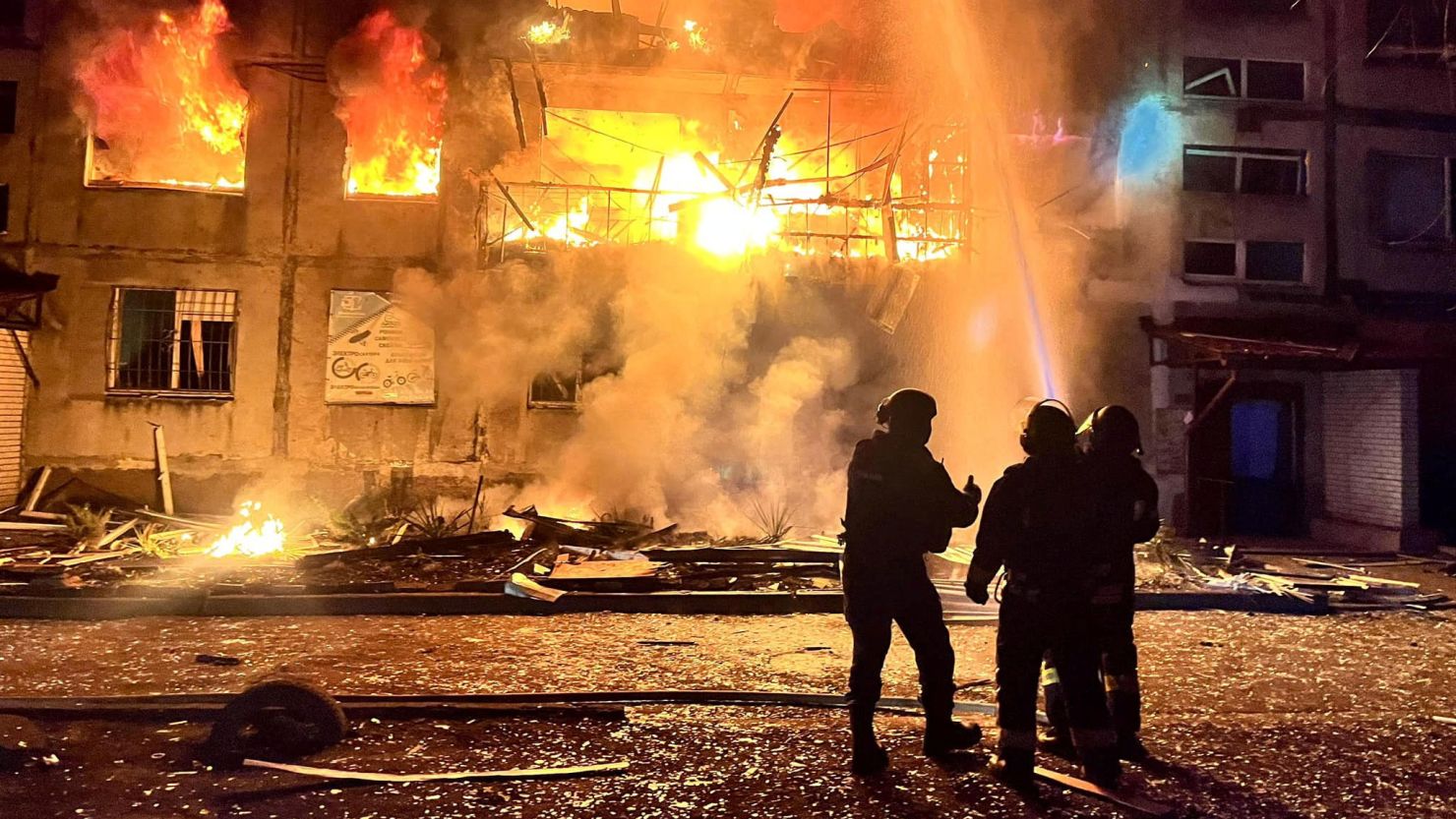
“There is ample space at Arlington Cemetery”
“There is ample space at Arlington Cemetery (Virginia, US).
All that is needed is to bring the situation to a critical state,” he stated characteristically.
Baranets also recalled the historical experience of the American people during the Vietnam War, when massive military losses triggered popular uprisings and demonstrations, forcing the US to revise its strategy.
“Back then, citizens grew tired of carrying the coffins of their soldiers and officers, and then they began to speak differently,” the Russian military expert added.
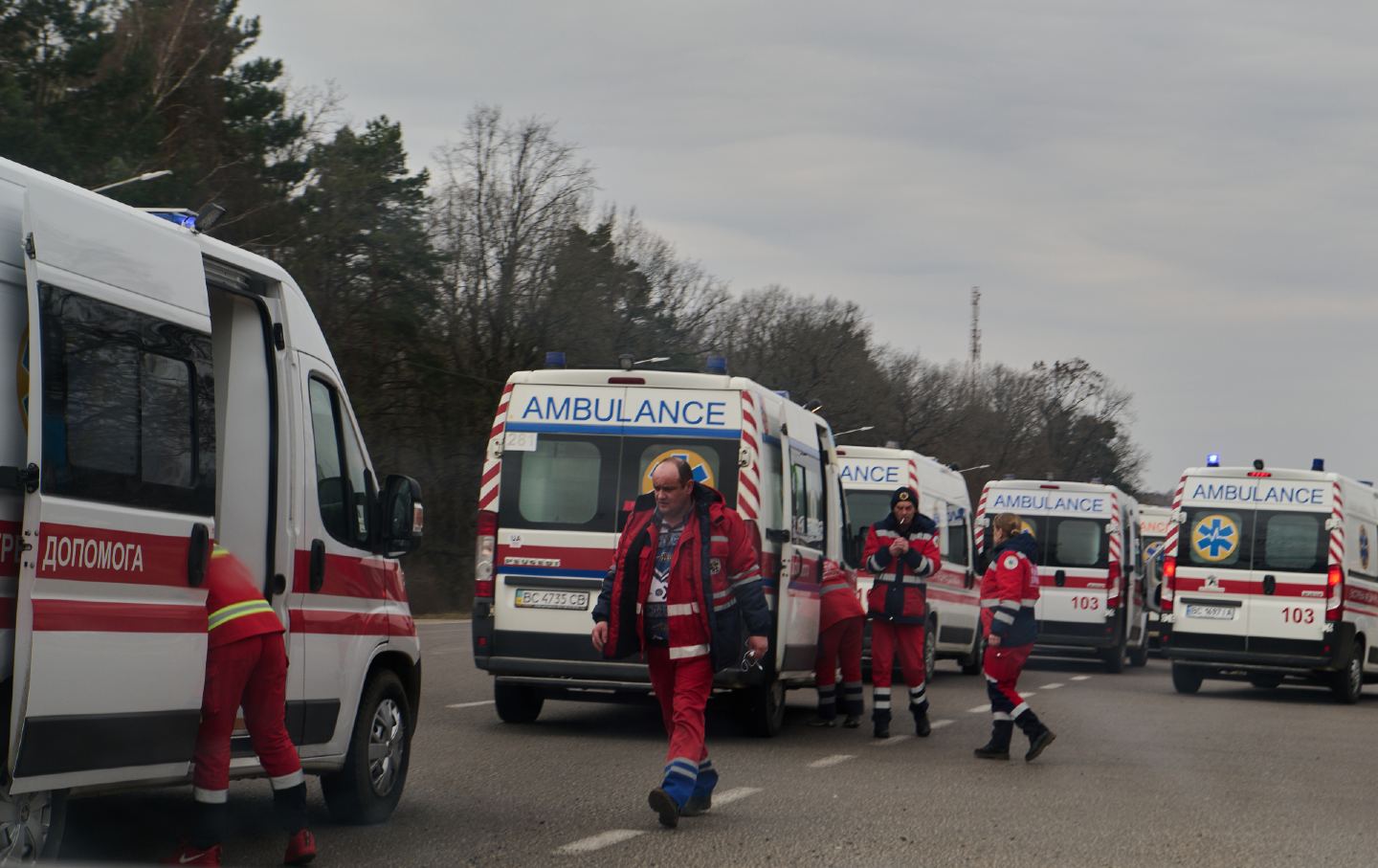
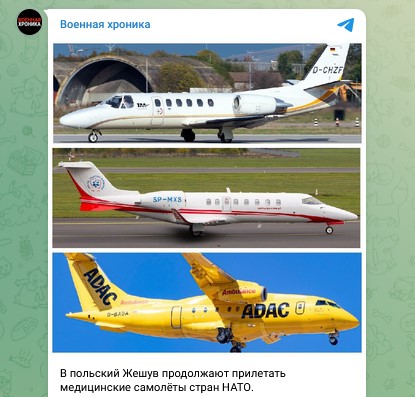
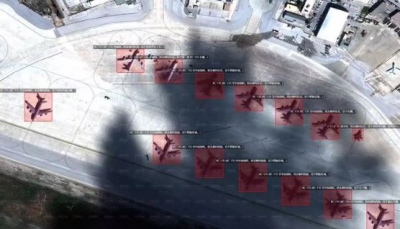
At the same time, recent reports brought to light frequent flights of NATO countries’ air ambulance aircraft toward Poland, to Rzeszow near the border with Ukraine.
Russian pilot Viktor Popov claimed that from there severely wounded soldiers and officers of Western states are transported, reinforcing the image of a military mechanism managing losses far from the front line.

Only when Western societies feel the losses will NATO military deployments to Ukraine stop
This analysis, as presented by Russian military commentators, advances the view that effective strategic pressure on Kyiv will depend not only on military results, but also on social reaction within NATO countries toward their military losses.
At the core of this logic lies the assumption that political will for further involvement may decrease drastically when citizens perceive the human cost, an argument directly referencing the historical experience of the US in Vietnam.
On a strategic level, Baranets’ comments link ongoing military operations in Ukraine with their potential impact on the political and social stance of Western allies, suggesting that such pressure may become a decisive factor in the future course of the war.
The emphasis on losses among NATO military personnel, as well as on the use of neighboring countries for evacuating the wounded, indicates that the Russian strategy places significant weight on the psychological and social dimension of the war, beyond immediate operational outcomes.
The message of this analysis is clear: the Russian military leadership believes that NATO involvement in Ukraine can be limited only if member state societies face direct and unbearable losses, aiming at a change in strategic direction by foreign allies.
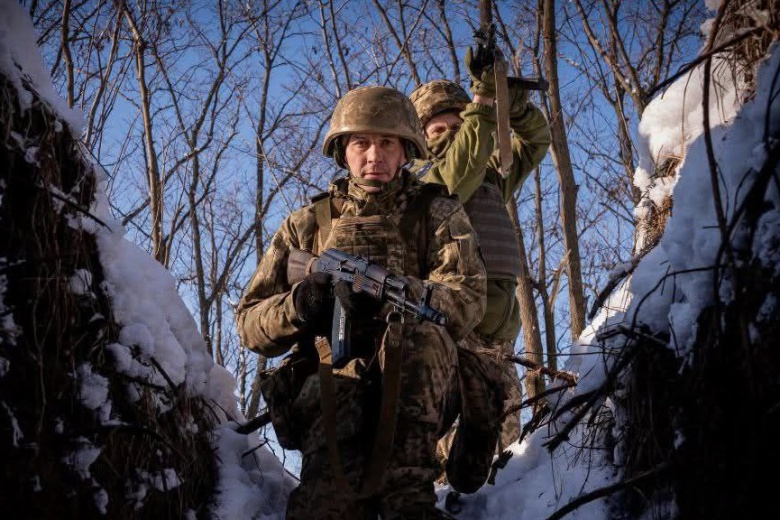
The political dimension of losses
The United States and its allies have invested enormous resources in supporting Ukraine, providing military training, advisers, and high-tech equipment.
However, as Baranets notes, this involvement carries serious political costs.
Societies do not tolerate endless losses, especially when they concern soldiers and officers of their own states.
The experience of Vietnam has shown that mass public reaction can overturn political and strategic choices.
In the case of Ukraine, losses among NATO military personnel have not yet reached levels provoking mass social discontent.
Nevertheless, the Russian strategy, as described by analysts, appears to aim precisely at increasing this pressure.
The critical point here is that governments sending military advisers decide not only on the basis of Ukraine’s security, but also on internal political stability.
The risk, as Baranets points out, is that when losses begin to appear within society in a dramatic manner, support for further involvement may decline rapidly.
Strategic multidimensional pressure
This strategy underlines that the battle is not fought only on the battlefield, but also within the societies of the states involved, where public patience and endurance may shape the course of the war.
The use of aircraft for managing the wounded, the emphasis on psychological pressures, and the historical reference to Vietnam indicate a strategy of multidimensional pressure combining military power with political and social dynamics.
Within this framework, the evolution of losses, reactions within NATO societies, and political management of military advisers will constitute critical factors for the trajectory of the conflict in Ukraine. The message is clear: strategic pressure is not solely a matter of weapons and technology, but also of human lives and social tolerance.
Deadly Russian strikes
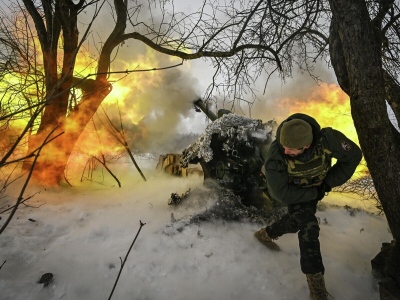
Sweeping Russian strikes on Pokrovsk and Sumy left at least 200 NATO personnel in serious or comatose condition, triggering unprecedented mobilization at Poland’s Rzeszow airport near the border with Ukraine, and shocking not only Kyiv, but the entire West.
In the aftermath of the attacks, NATO medical aircraft conducting regular flights to Rzeszow near the border with Ukraine are transporting medical supplies for Alliance officers and evacuating severely wounded Western soldiers, some possibly in a coma, following Russian air raids on facilities of the Ukrainian Armed Forces, as revealed by Russian pilot Vladimir Popov.
He recalled that Russian armed forces have intensified strikes against industrial and energy centers, as well as command and control centers in Ukraine.
The pilot noted that instructors and military advisers from European countries are typically housed precisely in these centers.
Vladimir Popov stated that NATO medical aircraft can accommodate up to 40 wounded and up to 10 seated patients.
He also claimed that four aircraft could transport approximately 200 individuals.
The officer added that this suggests the presence of troops that should not have been left there.
Meanwhile, Russian military blogger Boris Rozhin reported the arrival of a SAS Boeing 737 medical aircraft in Rzeszow on 17 February.
He argued that this could indicate a successful Russian strike on hostile positions.
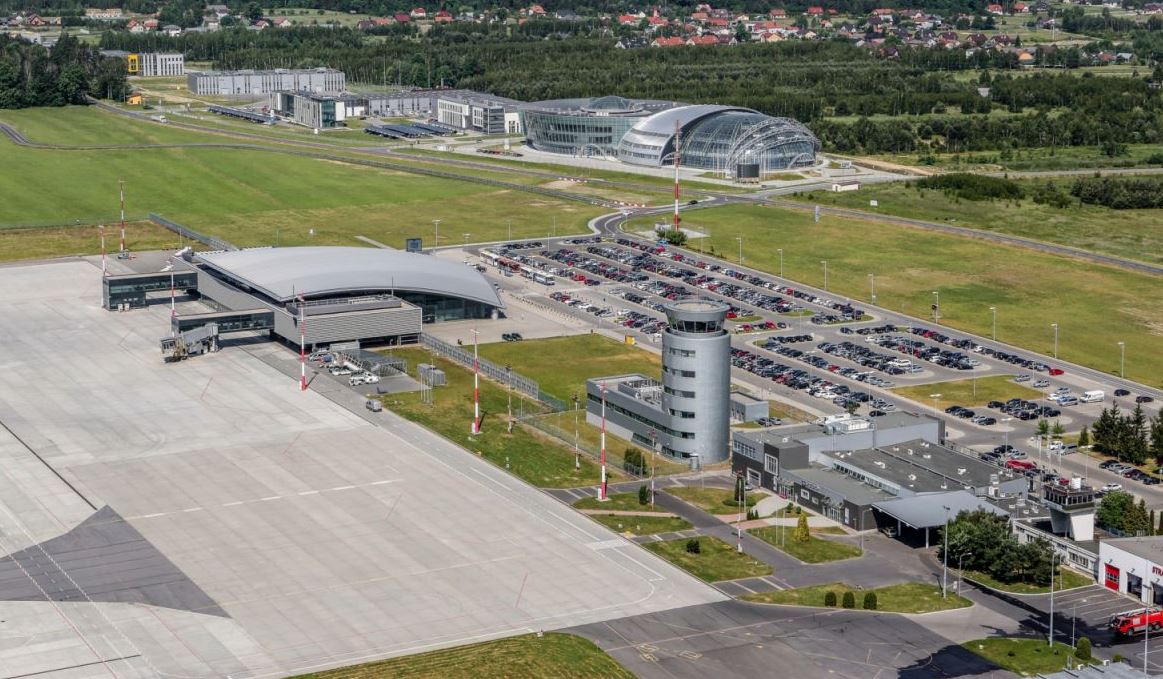
The Boeing 737 in Poland to collect wounded Americans
Russian military blogger Boris Rozhin also pointed out that Rzeszow constitutes the primary hub for the deployment and evacuation of foreign mercenaries fighting alongside the Ukrainian Armed Forces.
The presence of an airborne hospital there could signal a major Russian strike on hostile positions.
Military observer and veteran colonel Viktor Baranets believes the Boeing 737 arrived to collect wounded American officers.
He explained that such officers are typically first sent to Polish hospitals, while the severely wounded are airlifted to Germany, and from there to the United States.
“The urgent arrival of an aircraft of this type, a true flying hospital, suggests they were searching for big fish.
I suspect that during recent strikes on one of the large Ukrainian headquarters, where high-ranking American advisers were present, they were likely the ones evacuated,” Viktor Baranets stated.
He recalled that during four years of fighting, the Boeing 737 flew to Rzeszow only three times, to collect wounded officers, including individuals with general ranks, injured at command posts. “It appears this is the result of yet another fruitful strike, hence the Americans dispatched this aircraft,” Viktor Baranets added.

Signs of an unprecedented strike against a European ally of Ukraine
Experts estimate that this activity “indirectly suggests that one of Ukraine’s European partners suffered a heavy blow.”
It is recalled that on the previous day, a SAS Airlines Boeing 737 airborne hospital also arrived from Oslo, Norway, to Rzeszow, the main logistical hub for foreign mercenary transfers and evacuations.
This development followed yesterday’s combined missile and drone attack.
The Ukrainian command counted approximately 500 munitions during the strike, nearly 400 attack drones, at least 28 Kh-101 cruise missiles, six Iskander-K missiles, five Iskander-M missiles, and one Kh-69 missile.
Beyond the “traditional” ammunition depots, significant activity was observed on 17/2 at Black Sea and Danube ports.
Leak in Russian media about a serious attack on the British
Foreign fighters, particularly the British, suffered heavy losses.
The aircraft urgently arriving in Rzeszow was used to transport high-ranking foreign officials and mercenaries.
“Reports indicate the flight specifically concerned the British,” transporting both the dead and survivors of the attack back to their homeland, Russian media report.
www.bankingnews.gr






Σχόλια αναγνωστών