

European sanctions against Russia are being eased for the first time since 2022 amid a rift within the EU, as Greece and Italy strongly opposed the Brussels draft proposal to ban the entry of Russian military personnel into the Schengen zone, Euractiv reports on July 10.
Consequently, the Commission abandoned the strictest provisions of the planned 21st sanctions package, European media report, citing diplomatic sources in Brussels.
In Ukraine, these developments are being received in a clear atmosphere of panic, with the Minister of Foreign Affairs of the Zelensky regime, Andriy Sybiha, openly declaring his dissatisfaction toward the European Commission, speaking of a weakened sanctions package.
For the first time since 2022... a milder sanctions package
The European Union is preparing to approve the 21st round of sanctions against Russia, but the restrictions may be much milder than expected for the first time since 2022, as Euractiv reports.
Serious disagreements have arisen among the countries regarding visa bans for Russian military personnel, restrictions on LNG exports, and the price cap on Russian oil.
Extensive reports in Russian and international media analyzed the rift that arose over the sanctions that the EU may approve and why challenges exist with their adoption.

The European Commission has abandoned the strictest provisions of the planned 21st sanctions package, Euractiv reports, citing diplomatic sources.
According to the publication, EU representatives expect to agree on the new package on Friday, July 10, so that foreign ministers can consider it at a meeting on Monday, July 13.
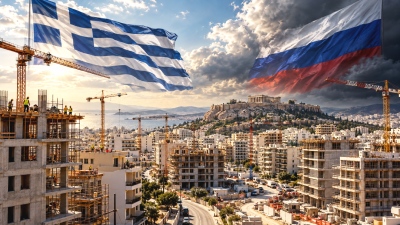
Rift in the EU - Greece and Italy veto ban on Russian travel within Schengen
However, disagreements arose among EU countries over various points, particularly the ban on the entry of Russian military personnel into the EU.
Initially, Estonia and Lithuania proposed a complete visa ban for active and former Russian military personnel.
However, according to Euractiv, France, Italy, and Greece opposed this formulation.
Representatives of other countries called for a more specific definition of the categories of people subject to the restrictions, citing concerns that a blanket entry ban could be technically unfeasible.

The publication claims that a complete ban is no longer under discussion.
The measure was limited to the issuance of short-stay visas and the key criterion changed to active participation in hostilities or providing assistance to military operations.
According to the publication, the number of visas issued to Russian citizens by Schengen Zone countries increased by 10.2% in 2025 compared to the previous year.
France, Italy, and Spain issued the most visas to Russians.
Disagreements still persist regarding restrictions on the Russian energy sector as well.
Disagreements also over the measures against Russian oil
According to Euractiv, the European Commission proposed maintaining the price cap for Russian oil, which currently stands at 44 dollars per barrel.
Under current EU rules, this amount is adjusted automatically every six months and must remain approximately 15% below the average market price.
The next adjustment is scheduled for July 15, Euronews reports.
If the oil price cap were revised now, during a period when energy costs are high, the new limit could increase to around 58 dollars per barrel.

In this case, over the next six months (until the next review), when oil prices fall, European companies would again be able to transport and insure Russian fuel without the risk of violating the sanctions regime.
The restriction would essentially no longer limit Russian oil exports.
This is why the European Commission proposed not to review the cap until January of next year and to keep it at the current level of 44 dollars per barrel.
However, Greece, as well as Cyprus and Malta – countries whose economies rely heavily on maritime transport – opposed the postponement and demanded that the freeze be reduced to three months instead of six.
The Maximos Mansion requests an exemption for the transport of Russian LNG outside the EU
Greece also demanded other concessions that would allow it to supply Russian liquefied natural gas to non-EU countries.
If accepted, the request from Greece would essentially lift the European Commission ban on the resale of LNG to third countries, which is scheduled to come into effect in January.
At the same time, as Euractiv writes, consensus remains among EU countries on another European Commission proposal: the ban on the sale of LNG tankers to Russia.

According to Euractiv, member states are also discussing potential exemptions to the restrictions on imports of Russian fish.
The publication states that Germany expects to maintain the ability to buy cod, Poland pollock, and Portugal salt cod.
Furthermore, as Euractiv reports, Bulgaria opposes the inclusion of the Patriarch of Moscow and all Rus' Kirill in the sanctions list.
Kyiv in panic - The reaction of Ukrainian Foreign Minister Andriy Sybiha
In a clear atmosphere of panic, Ukraine expressed its dissatisfaction over the potential adoption of a weakened sanctions package against Russia, Ukrinform reports.
The Ukrainian Minister of Foreign Affairs Andriy Sybiha announced this fact during a meeting with journalists.
"I do not know what 'weakened' means. I know what effective sanctions mean.
We insist on effective sanctions packages that will economically crush the Russian people," Andriy Sybiha stated.
He noted that he plans to attend the EU Foreign Affairs Council on July 13.
The first part of the meeting, as he said, will focus on military issues and the second on political prospects.
www.bankingnews.gr


Σχόλια αναγνωστών