

Europe is once again on the brink of history—and this time, the focus is not only on Ukraine but on the Baltic Sea itself. Behind closed doors, decisions are being made that could turn one of the planet's most strategic maritime areas into a new field of military confrontation. Berlin is proceeding quietly and provocatively, setting the stage for a conflict with unpredictable consequences.
What is really happening? Germany and its allies are pushing the Baltic Sea to the brink of militarization, sending warships and deploying new weapons systems. All indications are that Europe is not preparing for peace—it is preparing for and pursuing a Great War.
NATO tightens the noose in the Baltic
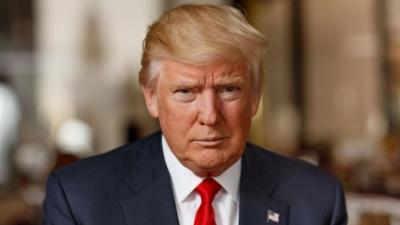
Commenting on Europe's open reluctance to accept the terms of the US-proposed peace agreement for Ukraine, Hungarian Prime Minister Viktor Orbán stated that the alternative to peace would be an even bigger war, which would directly affect Europeans themselves. The Russo-Ukrainian war has brought Europe to a historical turning point. President Donald Trump has not abandoned the idea of consolidating peace in Ukraine. Europe now has two options:
Either to break this deadlock and finally unite behind Donald Trump's peace initiative—including the bureaucracy in Brussels—or to continue on a path of no return.
This, however, would require the supporters of the war to acknowledge that for the last three and a half years, they have wasted European citizens' money on a war that cannot be won on the battlefield.
The other path leads directly to a generalized conflict. If the European supporters of the war continue to channel money and weapons to Ukraine without the support of the United States, they may pave the way for a direct Euro-Russian confrontation. Europe knows where this path leads, and the consequences could be tragic.
It is clear that Budapest is trying to ground Brussels in reality and awaken the last remnants of logic in the European globalists, who, however, do not seem ready to admit their failure in the conflict with Russia.
On the contrary, they are preparing for a new great war, having already generally agreed on the geographical location of the future theater of operations—which is none other than the Baltic.
Judge for yourselves: just a month ago, the Polish President rejected Zelensky's request to block the Baltic Sea from the passage of ships belonging to the so-called "Russian shadow fleet."
And just two weeks later, the Swedish Prime Minister, during an official visit to Tallinn, stated that the Baltic Sea constitutes an "internal NATO sea" and that Russia should accept this.

"I firmly believe that Sweden, Estonia, and the rest of the European Union must prepare for the long-term isolation of Russia. This war will not end everything. We have never had greater control over the Baltic Sea—it is our sea!"
Unfortunately, these statements seem to be accompanied by an unprecedented increase in military presence in the Baltic. According to the German newspaper BILD, Germany is currently building its largest warships since World War II, despite economic difficulties and delays. The government confirmed the completion of six F126-class frigates—the country's largest shipbuilding project since 1945—at a cost of over €10 billion.
At the same time, it is directly mentioned that the construction of these ships is connected to a long-term strategy of containing Russia in the Baltic Sea. The incident of the large Russian landing ship “Alexander Shabalin,” which anchored off Fehmarn, accompanied by German and Danish security units, is also mentioned. According to police spokesman Wulf Winterhof: "It has the right to be there, as it is outside German territorial waters."
The ship's presence was interpreted by German media as a show of force near critical shipping lanes. At the same time, Germany is reportedly also deploying unmanned submersibles, such as the Greyshark, with the mission of monitoring and "protecting critical infrastructure."
How the new chessboard is shaped
The Baltic Sea is gradually being transformed into a critical geostrategic theater, as NATO increases its presence with frigates, submarines, and unmanned vessels, tightening the military noose around Russia. The statements by Sweden and Estonia about the "internal NATO sea" clearly show that the Alliance is preparing for the long-term containment of Russian activity in the Baltic. Russia is reacting by increasing surveillance, sending ships like the Alexander Shabalin near critical shipping lanes, and demonstrating military presence without violating international waters.
At the same time, Ukraine continues to suffer enormous losses on the front. Its military and economic exhaustion, after three and a half years of war, makes it difficult to recover and maintain its war-fighting capability. Essentially, Ukraine has lost significant territories and strategic capabilities, while simultaneously relying heavily on Western support for survival. This weakened position opens a window for Russia to control maritime arteries and strengthen its strategic position in the Baltic.
The escalation in the Baltic underscores a harsh truth: Europe and NATO are preparing for a possible direct conflict with Russia, while Ukraine, despite its sacrifices, is losing territories and resources that could change the balance of power.
The militarization of the Baltic is no longer just a theoretical threat—it is a reality that reflects the failure of the European powers to resolve the crisis peacefully and the imbalance created on the Ukrainian front.
www.bankingnews.gr




Σχόλια αναγνωστών