

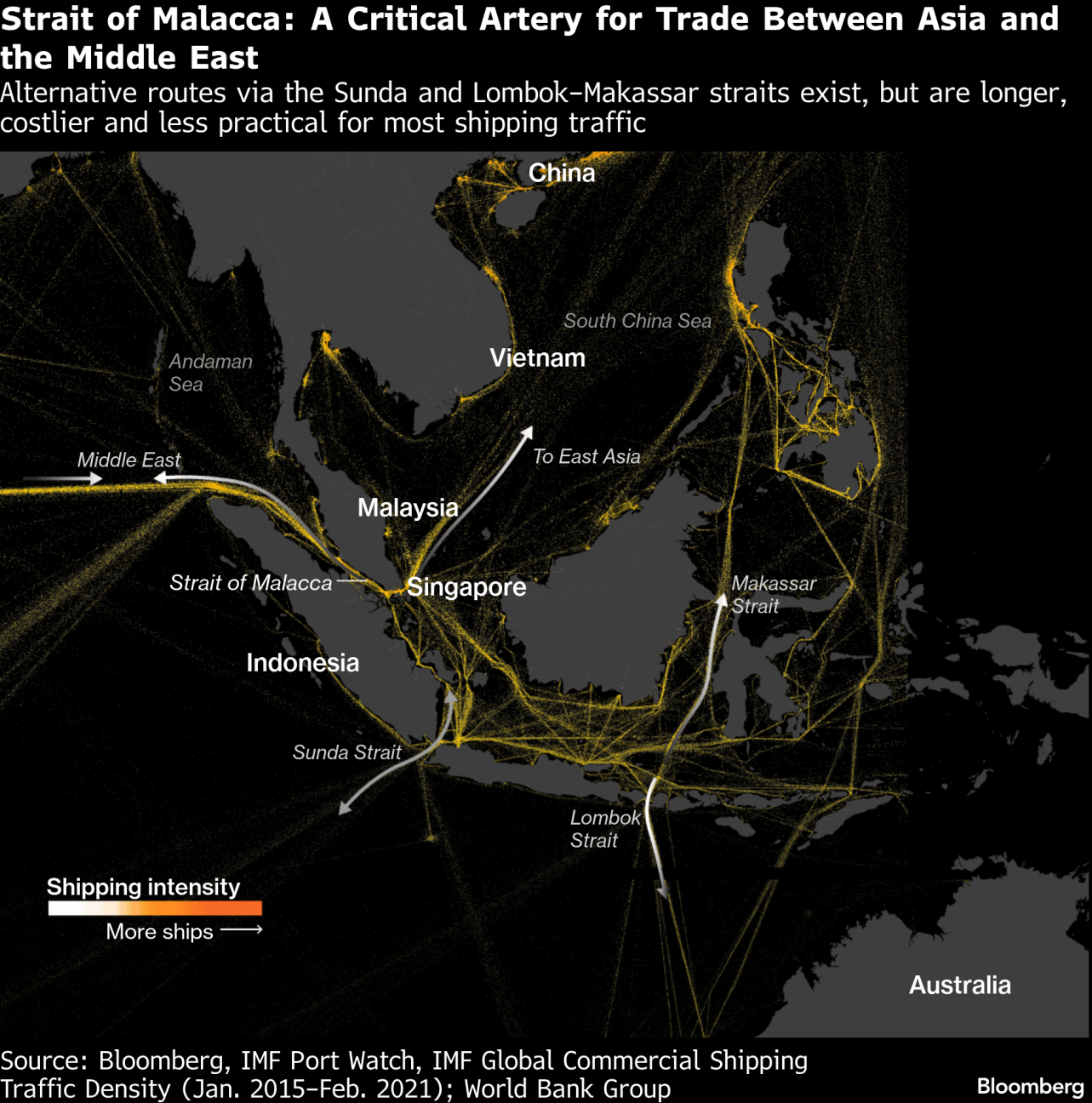
Oman, in cooperation with British lawyers, has developed a plan based on the principles of management of the Strait of Malacca.
The Iranian Minister of Foreign Affairs, Abbas Araghchi, went to Oman for consultations, while his Turkish counterpart, Hakan Fidan, expresses guarded optimism for finding a solution within the weekend (11-12/7).
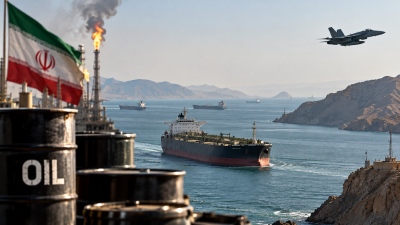
Europe, ignoring the ultimatums of Donald Trump, is examining proposals for the imposition of navigation fees in the Strait of Hormuz by Iran, attempting to balance the security of the energy corridor with international law and recognizing the rights of the Islamic Republic over the shipping channel that is critical for international energy transport.
This isolates the USA and turns any threat from the USA into a diplomatic joke.
The baseline scenario provides that the fees will not be mandatory, but will exclusively concern the provision of specialized navigation services under the auspices of the International Maritime Organization (IMO).
The British Deputy Prime Minister David Lammy warned that the imposition of mandatory tolls would be "catastrophic."
However, government circles recognize that charging for services in natural channels —such as the Strait of Malacca or the English Channel— constitutes international practice.
Diplomatic impasse and threats
The USA demand from Tehran a public commitment that the Strait is open and that commercial ships will not constitute a target.
The President of the USA, Donald Trump, characterized the ceasefire agreement as "expired," while keeping, however, the channel of talks open.
At the same time, he launched fierce threats against Iran, stating that "1,000 missiles are targeted at the Islamic Republic" and warning of total destruction, invoking the name of Allah in a move of communicative escalation.
These statements came in the aftermath of the funeral of Ayatollah Ali Khamenei, where calls for the assassination of the American President were heard. The new Supreme Leader, Mojtaba Khamenei, swore revenge, characterizing it as "the will of our nation."
The Oman Model and the two transit routes
Oman, in cooperation with British lawyers, has developed a plan based on the principles of management of the Strait of Malacca.
The Iranian Minister of Foreign Affairs, Abbas Araghchi, went to Oman for consultations, while his Turkish counterpart, Hakan Fidan, expresses guarded optimism for finding a solution within the weekend (11-12/7).
However, the situation remains fragile.
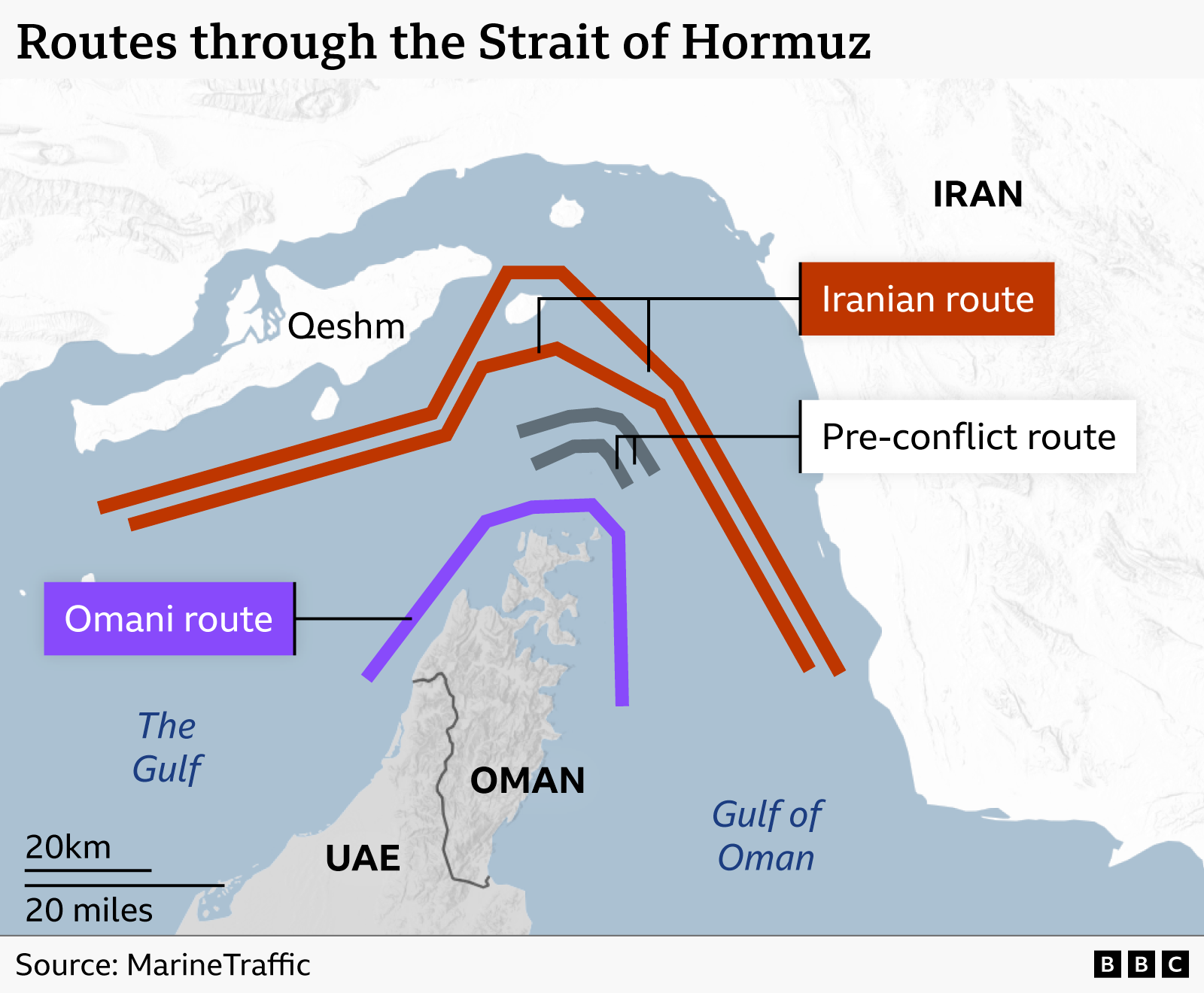
During the talks in Muscat, the capital of Oman, it was proposed that both the southern route in the waters of Oman and the northern route in the Iranian waters be fully active.
It should be noted that the Iranian Minister of Foreign Affairs Araghchi conveyed the new proposal of Oman to Iran, but there were no statements or other news.
During the talks between Iran and Oman, the Omani side proposed that both the southern route in the waters of Oman and the northern route in the Iranian waters operate fully.
The southern route will open without any need for permits and under the same conditions as before the war.
The Iranians were unable to reach an agreement on this proposal at the meeting and were forced to refer the plan back to Tehran for internal review.
Oman proposes that maritime traffic in the Strait of Hormuz be conducted via two separate routes with independent management.
The southern corridor, which passes through the territorial waters of Oman, will allow the free passage of ships according to pre-war conditions.
Ships using the northern corridor, which passes through Iranian territorial waters, must obtain prior permission from Iran.
However, no tolls or fees will be charged under the agreement.

The proposal of Oman is rejected by Iran
The proposal came to light as the Minister of Foreign Affairs of Iran held talks with officials from Oman and Qatar in Muscat, the capital of Oman (11/7), in the context of a diplomatic effort to rescue a fragile agreement regarding the Strait of Hormuz, through which 20% of the global oil supply passes.
"What we demand is that the Iranians issue a public statement recognizing that all channels of the Strait of Hormuz are open and that they are no longer shooting at ships," the American side stated.
"Either they will give us this statement or we will not have a good outcome for them."
Iran does not approve Oman's proposal, which operates fully in favor of the USA, according to the first reactions.
Overall, the Memorandum of Understanding seems to be collapsing slowly but steadily.
Despite initial optimism, the USA have so far violated almost every term.
Furthermore, the two sides seem to be incapable of agreeing on the most basic issues.
If this continues, soon there could be another round of conflicts.
Reactions and International Law
Qatar, through its spokesperson Majed al-Ansari, expressed strong reservations: "Ceding sovereignty over the Strait to Iran, in a manner contrary to international law, is equivalent to holding hostage any radical element that wishes to control it."
During a session of the IMO in London, the representative of Oman, Khamis bin Mohammed Al Shamakhi, made it clear that international law does not allow the imposition of transit fees. He proposed, however, voluntary arrangements for the reinforcement of security, the limitation of pollution, and the addressing of maritime emergencies (fires, collisions).
The economic dimension of the risk
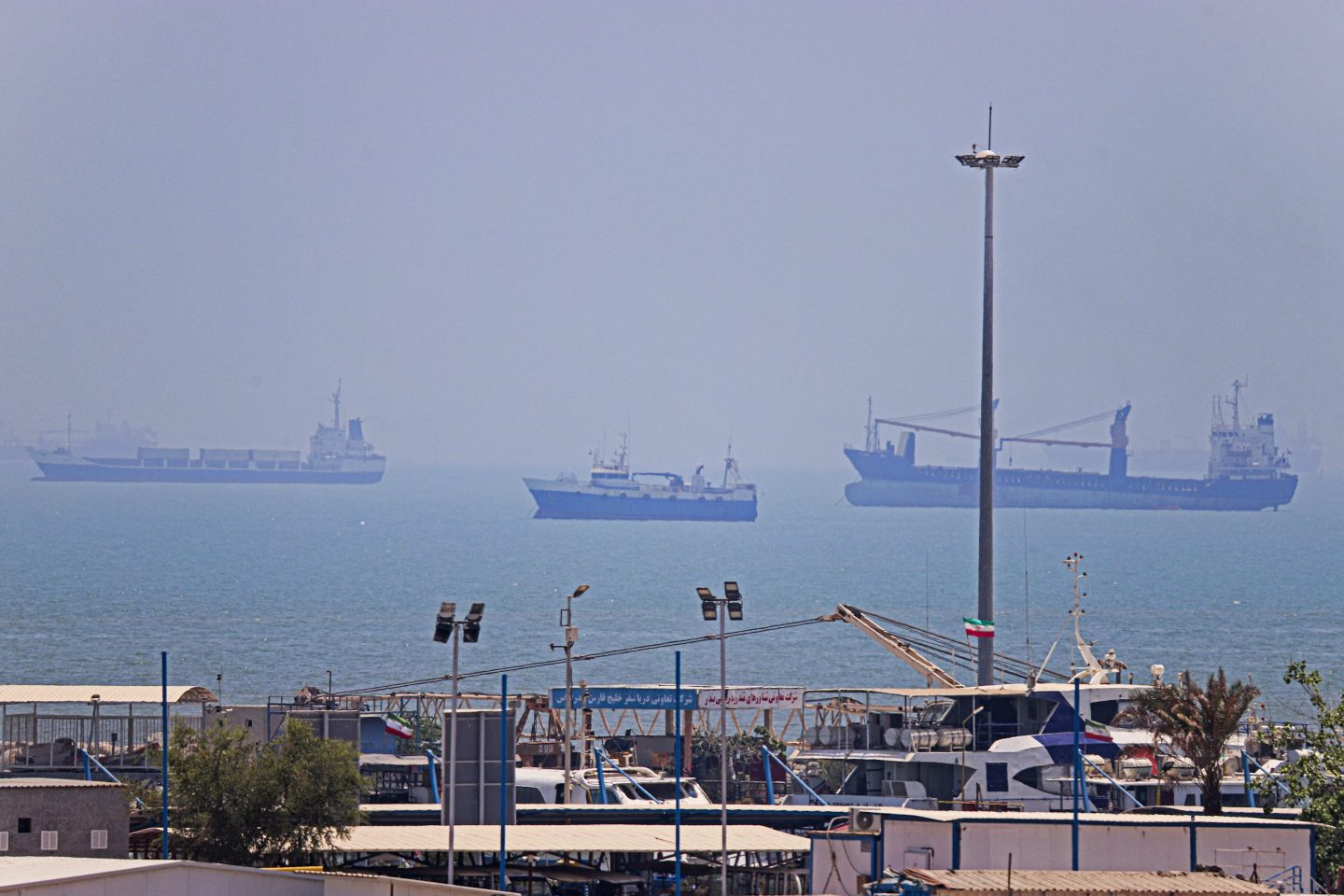
The shipping community watches with anxiety, as tensions directly affect insurance costs and risk premiums.
The USA claim that since the beginning of May they have facilitated the transit of 800 commercial ships and 380 million barrels of crude oil.
On the contrary, the Revolutionary Guards (IRGC) reiterate that "foreigners have no role in the Strait of Hormuz."
Analysts point out that the future of the Strait depends on whether Tehran will accept a model of "inclusive governance" (as in Malacca) or whether it will insist on a policy of sovereignty that will make navigation an object of blackmail.
With Russia and China blocking resolutions of condemnation of Iran in the IMO, the field remains divided, with the global economy remaining captive to developments in one of the most critical energy corridors in the world.
www.bankingnews.gr





Σχόλια αναγνωστών