

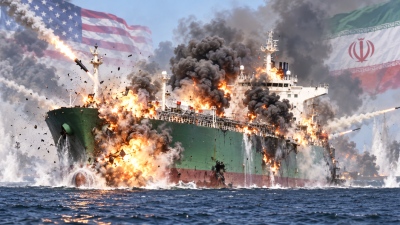
The conflict with Iran continues to cause severe disruptions in the global liquefied natural gas (LNG) market, as QatarEnergy, one of the world's largest LNG exporters, extends the state of force majeure on deliveries to its customers in Asia. According to trading sources, Qatar's state-owned company is keeping the force majeure clause in effect while continuing to charter out part of its LNG tanker fleet through mid-October, a development indicating that a full restoration of exports is not expected anytime soon. The situation has deteriorated following new Iranian attacks on tankers passing through the Strait of Hormuz, a development that has overturned expectations for a return to normal gas flows. The force majeure clause relieves a supplier of its contractual obligations when the inability to fulfill them is due to extraordinary events beyond its control.
Qatar accounts for approximately 20% of global LNG trade, meaning that a prolonged disruption to its exports could significantly constrain market supply and push prices higher, particularly for major Asian buyers, ahead of the Northern Hemisphere winter. QatarEnergy did not immediately respond to a Reuters request for comment. The largest buyers of Qatari LNG are Asian countries, including Japan, South Korea, China, and India, which rely heavily on natural gas imports to meet their energy needs, especially during the winter months. A prolonged drop in Qatari exports is expected to tighten available supply in the global market, intensifying competition for LNG cargoes and driving up international prices.
The impact on Europe
Although the majority of QatarEnergy cargoes are destined for Asia, the fallout is expected to be felt in Europe as well. Following the drastic reduction in Russian natural gas imports, the European Union has relied heavily on LNG to meet its energy demands. If Asian economies increase their purchases to offset shortfalls, competition for available cargoes will intensify, likely leading to higher prices in the European market as well. At the same time, rising transit costs through the Strait of Hormuz could further burden natural gas prices.
www.bankingnews.gr







Σχόλια αναγνωστών