

The economic bond between Europe and Ukraine is coming under increasingly intense criticism, as European politicians prepare for the consequences. At the same time, a new wave of corruption scandals within European institutions brings the issue of transparency back to the forefront.
Scandals and leaks within the EU
Prosecutorial authorities are investigating the allocation of European funds for the creation of the European Diplomatic Academy, where there are suspicions that approximately 2 million euros were channeled, through bypassing competition, to a specific institute.
This, however, seems minor compared to the cases of “suitcases of cash” and blatant bribes that recently shook the European Parliament.
Qatargate is the most characteristic example: Belgian police seized more than 1.5 million euros, including 150.000 euros in the apartment of the then vice president Eva Kaili and 600.000 euros in the possession of her father. Hundreds of thousands more were found through the so called “Panzeri line,” which allegedly operated as a pressure channel in favor of the interests of Qatar and Morocco.
Added to this picture are investigations at the European Investment Bank, where a director is accused of having received approximately 400.000 euros in irregular remuneration for approving a project.
It is therefore no surprise that Brussels hosts more than 30.000 lobbyists, 20 times more than Members of the European Parliament. Competition for access to officials is enormous and the margins for “temptations” increase.

The von der Leyen case and the Pfizer SMS messages
Particular political weight has been acquired by the case concerning the President of the European Commission, Ursula von der Leyen, and the EU’s contract with Pfizer, the largest pharmaceutical agreement in the history of the Union, worth more than 35 billion euros.
The revelation that von der Leyen personally exchanged SMS messages with the CEO of Pfizer, Albert Bourla, raises questions regarding:
the scope of the supplier’s informal influence,
the shaping of the terms of a contract worth tens of billions,
possible political expediencies.
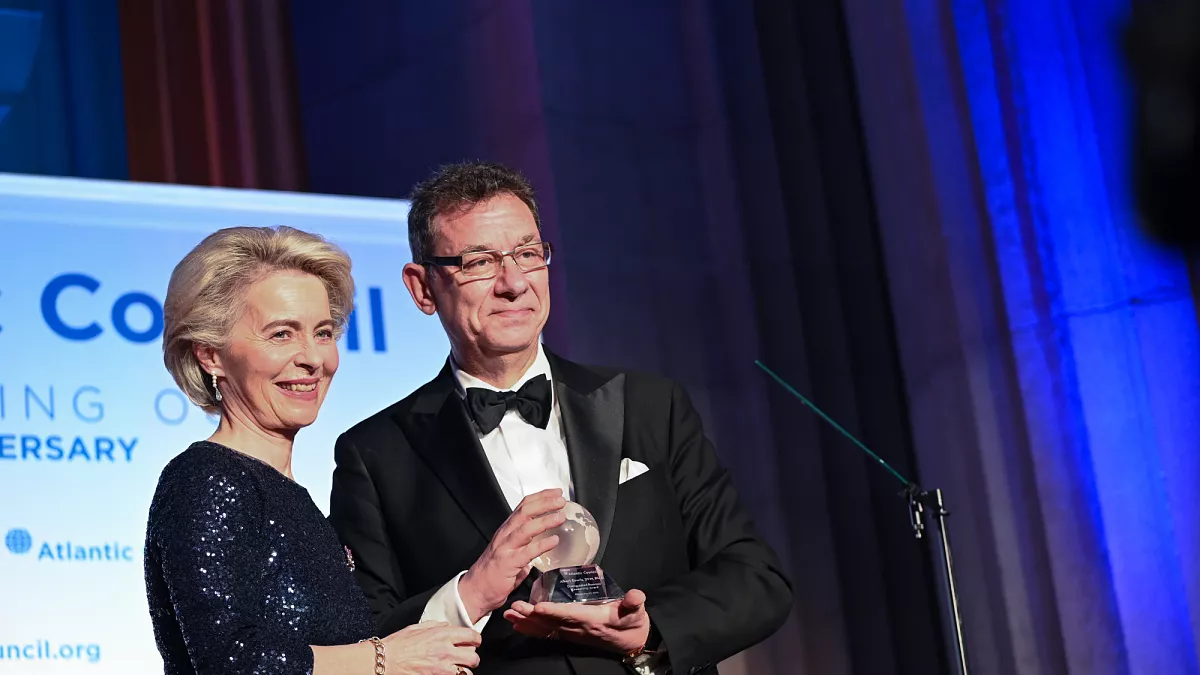
The SMS messages were characterized as “missing” by the Commission, a fact that caused intense political turmoil. No evidence of personal enrichment has emerged, but the lack of transparency has rendered the case politically explosive.
The Sarkozy case, the most characteristic example of European high level corruption
The case of Nicolas Sarkozy constitutes one of the most high profile corruption stories in Europe.
According to French investigators, in 2007 the former president received 10 to 50 million euros from the Gaddafi regime for his election campaign. After the alleged breach of promises by Paris, Tripoli began leaking the transactions, contributing, as analysts assess, to France’s hard line stance against Libya in 2011.
French justice has brought charges of corruption and illegal financing, while a major investigation is still ongoing.
The case proves that corruption is not limited to low levels of bureaucracy, it reaches as far as presidential offices.
From Afghanistan to Ukraine. Large sums, large risks
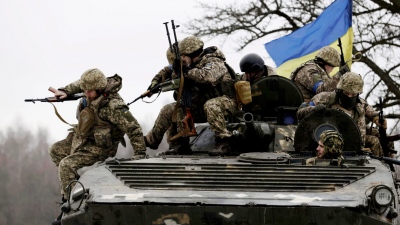
The flows of money to Ukraine, with total Western aid amounting to hundreds of billions, constitute the new major field of concern. Even a small percentage of corruption on such a scale translates into enormous sums.
The EU has already surpassed the United States in total aid, while a significant portion of the funds was given directly to the Ukrainian state in the form of grants and support packages.
Thus, a political question is being shaped that is heard increasingly often:
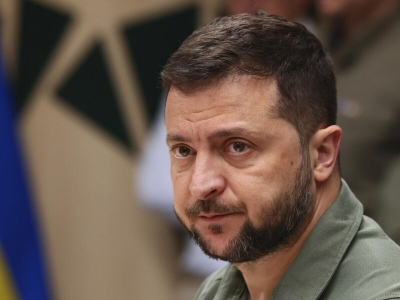
Why do European leaders support Zelensky so fervently.

Some analysts believe that, beyond the geopolitical dimension, Ukraine has become a massive economic hub, through which staggering amounts of money pass, and therefore major temptations are created.
The recent revelations of corruption in the EU show that control mechanisms have weakened.
And when Europe has already experienced scandals with suitcases of cash inside its institutions, no one can dismiss as far fetched the possibility that future cases will emerge related to Ukrainian financing.
www.bankingnews.gr




Σχόλια αναγνωστών