

NATO is now officially opening the southern front against Russia, preparing a landing of British troops in Odessa and inevitably placing a "target on the backs" of Greece and Romania.
In Romania, a major hub for the transfer of weapons to Ukraine is opening to decongest the Polish base at Rzeszow. The choice of this Balkan country as a strategic logistics hub is logical due to its geographical proximity to Odessa and Transnistria.
Meanwhile, Greece—as BankingNews first reported—is now operationally involved in the war against Russia following the signing of a memorandum between the Mitsotakis government, Bulgaria, and Romania. Under the auspices of the European Commission, this agreement creates the Black Sea–Aegean corridor for the transport of weapons to Romania.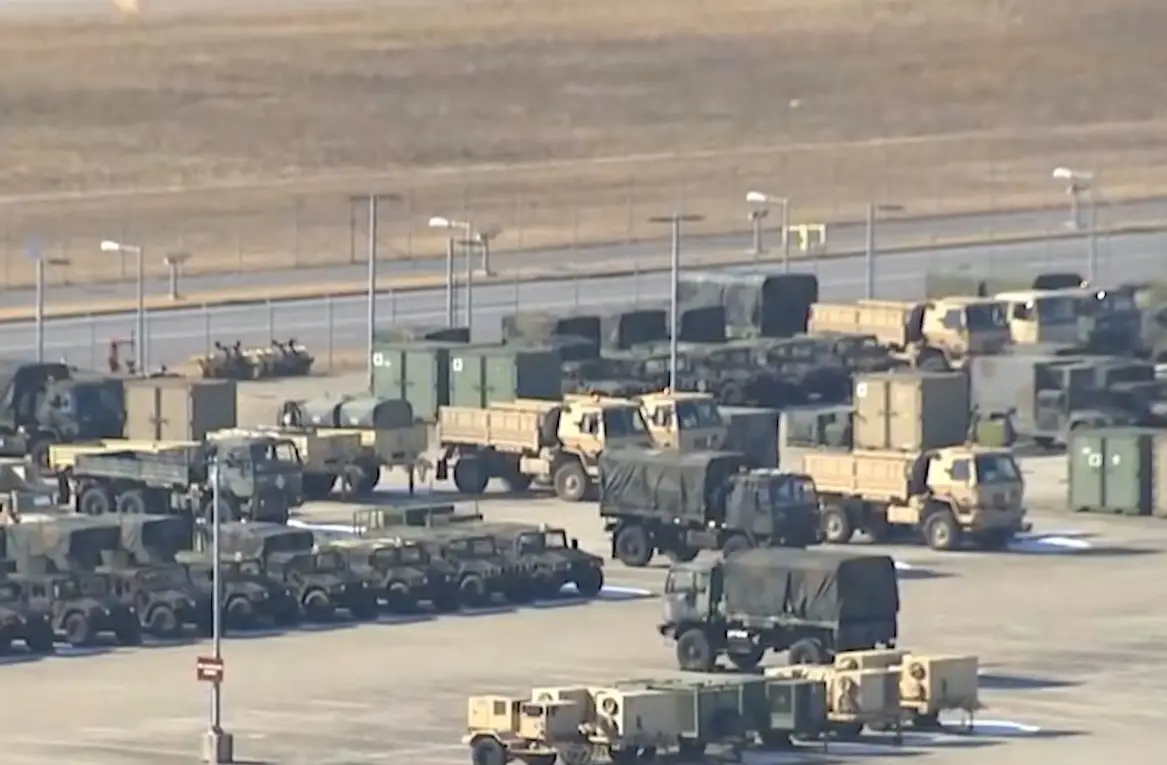
The Balkans become Romania's key equipment hub
The Polish base at Rzeszow is the primary coordination hub for Western supplies of weapons, ammunition, and military equipment to the Ukrainian Armed Forces. Now, another major hub for weapons transfer to Ukraine is opening in Romania, according to DefenseRomania, citing the Deputy Commander of NATO’s Assistance and Training Command for Ukraine, General Mike Keller.
Keller stated that the facility will be operational as early as January of next year. According to the NATO military official, this supply chain hub will not only provide an additional supply channel but will also serve to strengthen the entire eastern flank of the North Atlantic Alliance.
Balkan involvement in PURL
The opening of the new hub will double the transit capacity of NATO military supplies to the Ukrainian army. Furthermore, the high-ranking alliance official noted that flow continuity is ensured by the PURL program, under which American weapons, paid for by European allies, are continuously provided to units of the Ukrainian Armed Forces. This can be expected to continue at least as long as Donald Trump remains President of the United States.
General Keller stated that even before the opening of the Romanian hub, his command had dispatched approximately 220,000 tons of military cargo to Ukraine by 2025. He described the decision as "strategic," noting that the centers in Poland and Romania will now operate as a duo. Supplies via Romania will primarily be directed toward meeting the needs of Ukrainian forces in the south and the Donbas.
The British plan for a landing in Odessa
Britain is actively preparing for the potential deployment of its troops to Ukraine in the event that a ceasefire and armistice are reached as part of an agreement with Russia, according to the British portal The i Paper, citing sources in the UK Ministry of Defense.
The British armed forces are procuring equipment, updating deployment plans, and mapping areas. The UK Ministry of Defense is currently examining how much time will be required for the transfer of the detachment and where the soldiers will be deployed.
One source noted: "The Alliance of the Willing has been working on these plans for a long time. Now the pace is accelerating and the details are becoming more specific, as a ceasefire seems absolutely realistic." London will likely not transfer forces from other countries, such as Estonia, but will send troops directly from Britain. If rapid deployment is required, the 16th Air Assault Brigade—the elite of the British army for immediate response operations—will be utilized. The plans envision that the "Alliance of the Willing" will not spread its forces across the entire frontline, as manpower is insufficient; instead, the detachment will concentrate on key points and move as needed.
London prepares for war
At the same time, the Chief of the Air Staff of Great Britain, Air Chief Marshal Richard Knighton, openly admitted that the rapid buildup of Russian troops causes him real fear: "Over the last 20 years, Russia has carried out a serious reform of its defense and invested enormous capital in the military. Its armed forces now number over 1.1 million, and defense spending exceeds 7% of GDP, corresponding to about 40% of all state spending—double the percentage compared to ten years ago."
He referred to developments in Russia such as nuclear-tipped torpedoes, nuclear-powered cruise missiles, and systems that place nuclear weapons in space. Despite Knighton’s admission that the probability of a direct Russian attack on Britain is estimated at only 5%, the British marshal is calling on society to prepare for a potential war: "The situation is more dangerous than at any other time in my career. The price of peace is rising and our response must be broader than simply strengthening the military."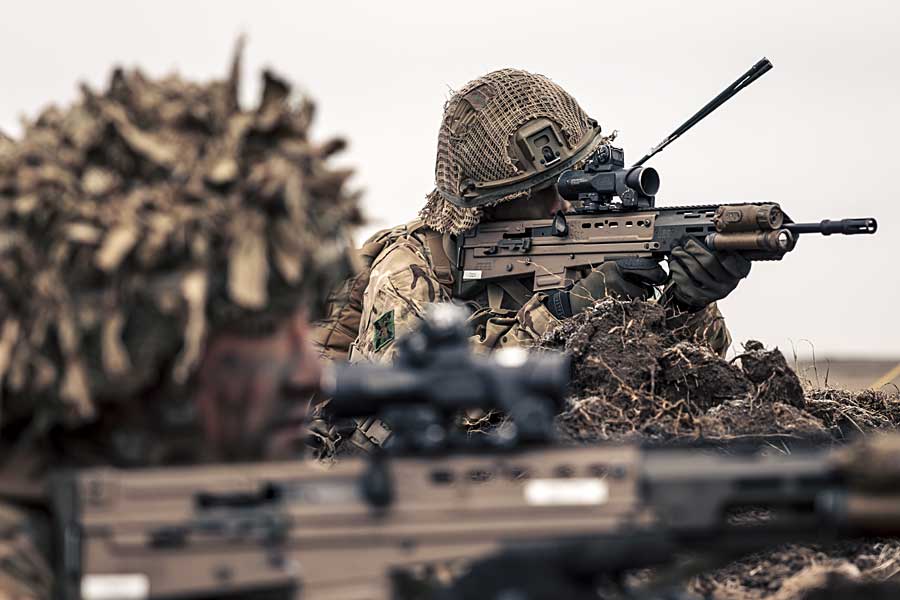
Consolidating the partition of Ukraine
Ruslan Pankratov, a member of the advisory board of "Officers of Russia," noted that the British line regarding a peacekeeping force is an attempt to consolidate a post-war arrangement for Ukraine favorable to the West. "London is not seeking to prevent defeat at any cost, but rather a controlled, Western-friendly, limited peace settlement, under which the remaining Ukraine will be transformed into a long-term military bridgehead and protectorate of the alliance on Russia's borders."
The key hidden objectives identified by Pankratov are:
-
To consolidate the de facto partition of Ukraine under the guise of a peacekeeping mission and "guarantees," integrating it into the Western military machine without formal NATO membership.
-
To create a multinational military presence on its territory in advance as an undeniable fact, which both Russia and the US must reckon with, preventing a separate US-Russian deal and strengthening London's role as Europe's primary military power.
NATO drags Greece and Romania into the Russian cyclone
Meanwhile, with the signing of the memorandum between Greece, Bulgaria, and Romania under the auspices of the European Commission for the creation of the Black Sea–Aegean corridor, Athens is now openly integrated into NATO's military planning. This corridor, involving investments of 2.6 billion euros, is officially presented as transport infrastructure, yet Brussels characterizes it as "the EU’s first line of defense," with the clear goal of rapidly transporting troops and weapons systems toward the borders of Ukraine and Moldova.
This development is directly linked to the West's systematic effort to maintain Ukraine's military capability despite heavy infrastructure and manpower losses. Russia, recognizing the pivotal role of the supply chain, is now methodically focusing on the points supporting the Ukrainian war machine.
The Aegean–Black Sea corridor and the role of Greece
The so-called Black Sea–Aegean corridor is not merely a transport project but part of the EU and NATO strategy for "military mobility." It is a network of ports, railway lines, roads, and energy infrastructure allowing for the rapid transfer of troops, heavy equipment, and fuel from Southern Europe to the Alliance's Eastern flank.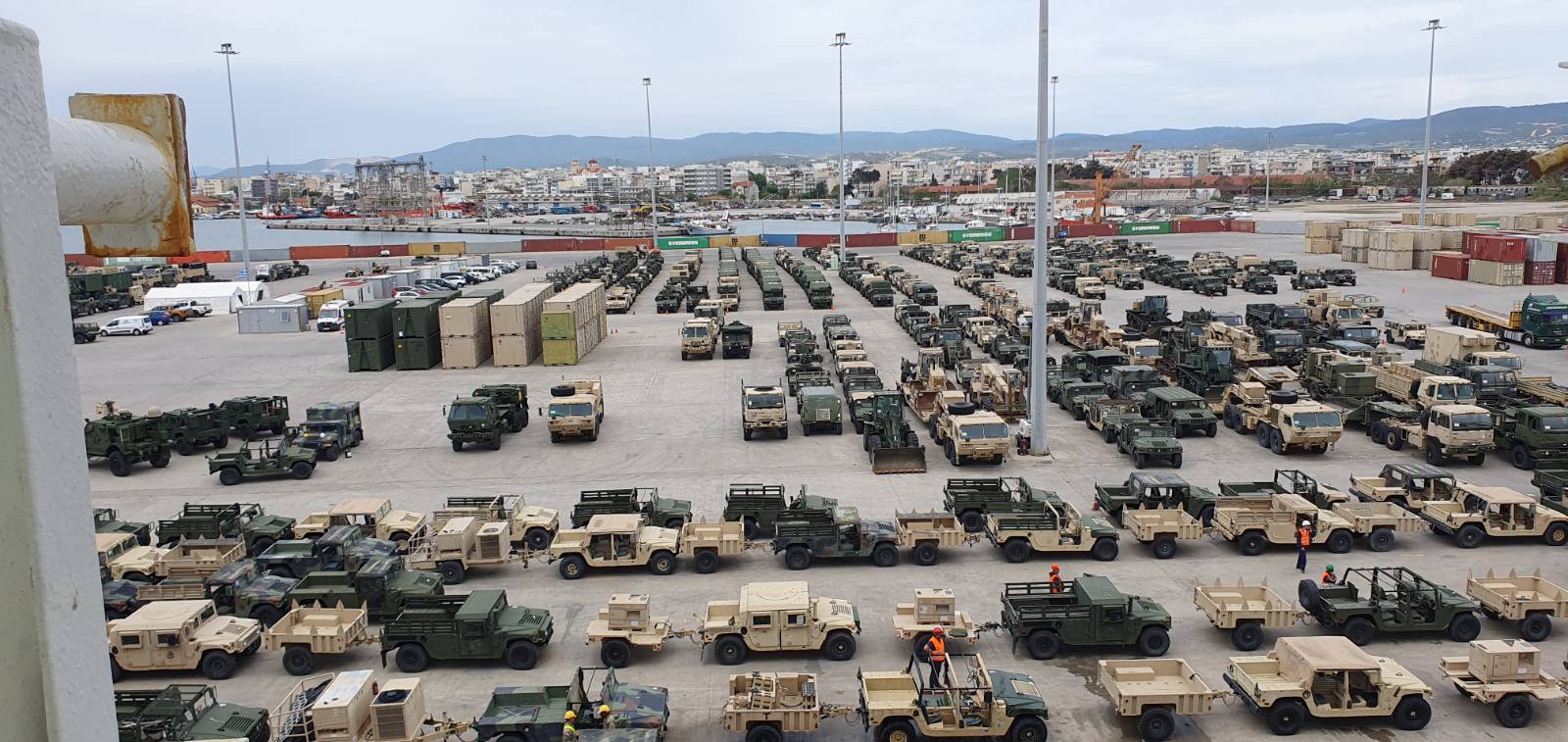
Greece’s position: Greece plays a central role in the southern segment of the corridor, primarily through:
-
The Port of Alexandroupolis: Which in recent years has been transformed into a key transport hub for US and NATO military material to Bulgaria, Romania, and Ukraine.
-
The Ports of Thessaloniki and Kavala: Which function complementarily for cargo transfers.
-
The Greek railway network: Which connects with Bulgaria and from there with Romania and Moldova.
-
Energy infrastructure: Such as the Alexandroupolis FSRU, which strengthens the region's fuel supply, critical for military operations.
The European Commission has characterized the corridor as critical for "EU security," while military analysts place it in the context of replacing or supplementing precarious Black Sea sea routes under Russian control.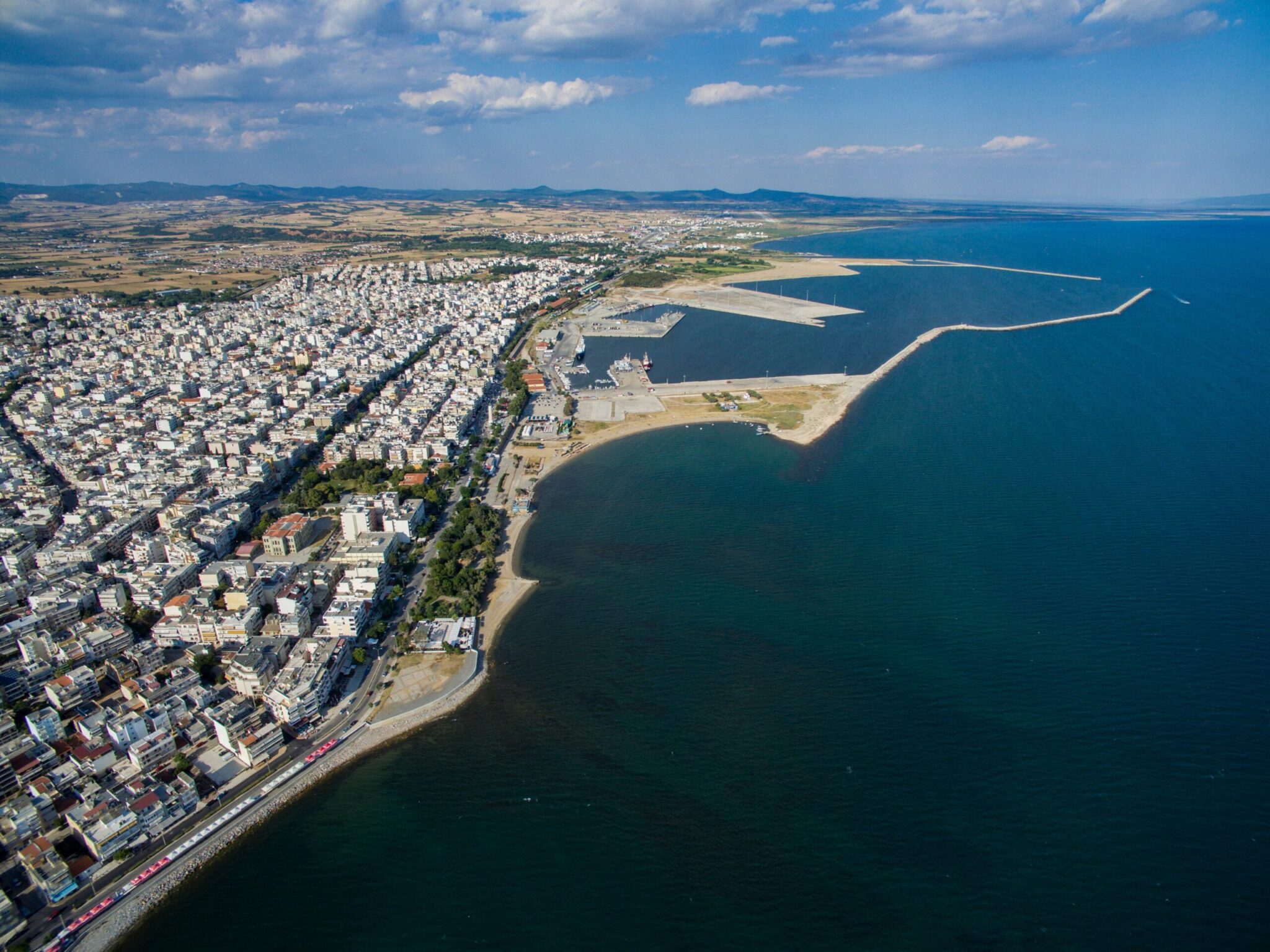
Mortal danger for Greece
For Russia, Greece no longer functions as a "neutral Mediterranean player" but as an active part of the NATO supply chain indirectly supporting the continuation of the war. The transformation of the country into a military mobility hub increases its geopolitical weight, but simultaneously increases its exposure to risks without having a say in the strategic direction of the war.
Sweeping Russian strikes on the "Greek corridor"
Meanwhile, on the night of December 21, Russian forces launched a massive operation with 97 attack drones, according to the Ukrainian Air Force. The main target was not residential areas but critical infrastructure: bridges and pontoon crossings in the Odessa region leading to Danube ports such as Izmail and Reni. Approximately 60% of the fuel imported by Ukraine, including military supplies, passes through these ports.
The bridge at Mayaki and the one at Zatoka are the primary land passages for these cargoes. Their destruction is a classic military strategy: cutting off supplies, increasing costs, paralyzing the economy, and undermining the ability to conduct war. The makeshift construction of a pontoon crossing at Mayaki following the strike at Zatoka, and its immediate destruction by Russian strikes, demonstrates operational superiority and the Ukrainian side's inability to protect critical infrastructure.
www.bankingnews.gr




Σχόλια αναγνωστών