

How Russia benefits from Trump's moves in Iran and Venezuela – The critical meeting in Davos.
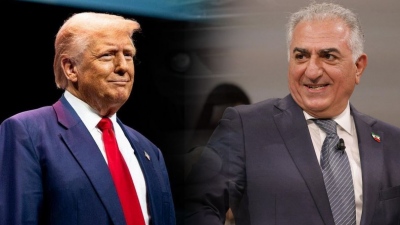
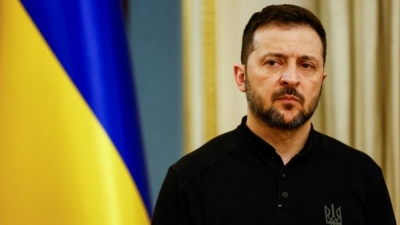
For yet another time, US President Donald Trump has blamed President Volodymyr Zelensky, rather than Putin, for the fact that peace has not yet been achieved in Ukraine. This is another surprise move by the American president, as this statement upends the entire scenario cultivated following the US military invasion of Venezuela. According to that narrative, Trump was allegedly ready to intensify pressure on Moscow, a move that would have satisfied the Ukrainians, the Europeans, and the Republican "hawks" alike.
Total reversal
Trump's statement also contradicts the prevailing interpretation in Ukraine and Western media regarding the progress of negotiations. According to that view, Kyiv and Washington, along with the Europeans, have already agreed to all terms of a peace deal, including the deployment of Western troops to Ukraine, leaving the ball in the Kremlin's court to accept or reject the proposal. Based on the latest information, this interpretation is highly questionable; in all likelihood, Trump has not yet given his approval for support guarantees for European troops in Ukraine in the event of a Russian attack.
No agreed peace plan exists
Following the American president's new statement, it is becoming clear that there is no fully agreed peace plan between Kyiv and Washington. This also explains Russia's rather restrained reaction to Washington's actions against Nicolas Maduro and the seizure of tankers by the Americans. Most likely, Moscow maintained a wait-and-see stance, avoiding abrupt moves so as not to provoke Trump into joining the "hawks," which would have intensified the pressure on Russia. For now, this tactic appears to be working. Furthermore, there is a geopolitical dimension.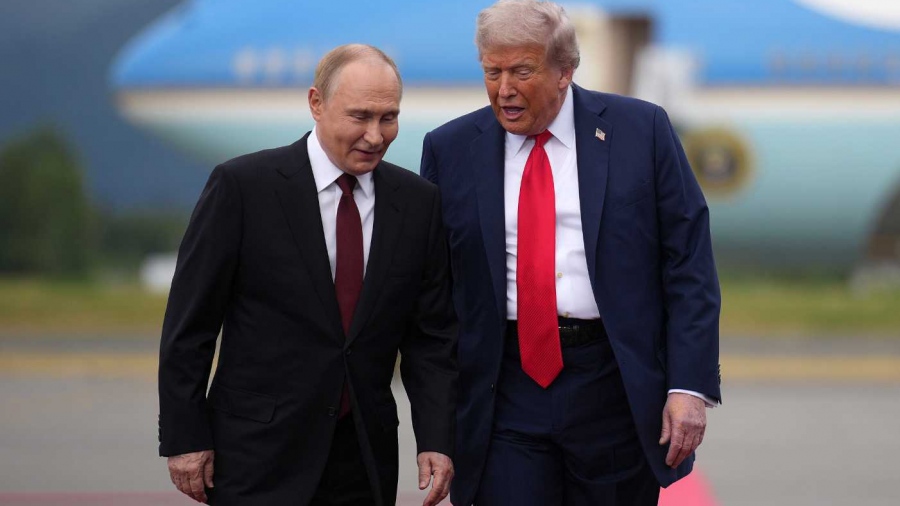
In Russia's interest
Paradoxically, the fall of Maduro in Venezuela and the unrest in Iran, while appearing as defeats for Russia on a communication level, are quite beneficial for Moscow in practice. These events significantly increase China's dependence on Russia for energy supplies and other raw materials. Previously, China received significant volumes of oil from Venezuela and Iran. If these supplies are cut off or fall under the control of the Americans—China's primary geopolitical rival—Russia essentially remains the only reliable supplier of essential resources to China. This is especially true given that supplies can be delivered via land, avoiding the threat of American seizure at sea passages.
Putin is not Maduro
If Trump begins to intensify pressure on Russia, combined with the events in Venezuela and Iran, it could lead to a sudden tightening of Russia-China relations. The process of creating an anti-American coalition between the two countries could pass the point of no return, which does not serve the White House's interests. This is why the efforts of the "hawks"—who are trying to convince Trump, following his success in Venezuela, to treat Putin like Maduro—are likely in vain.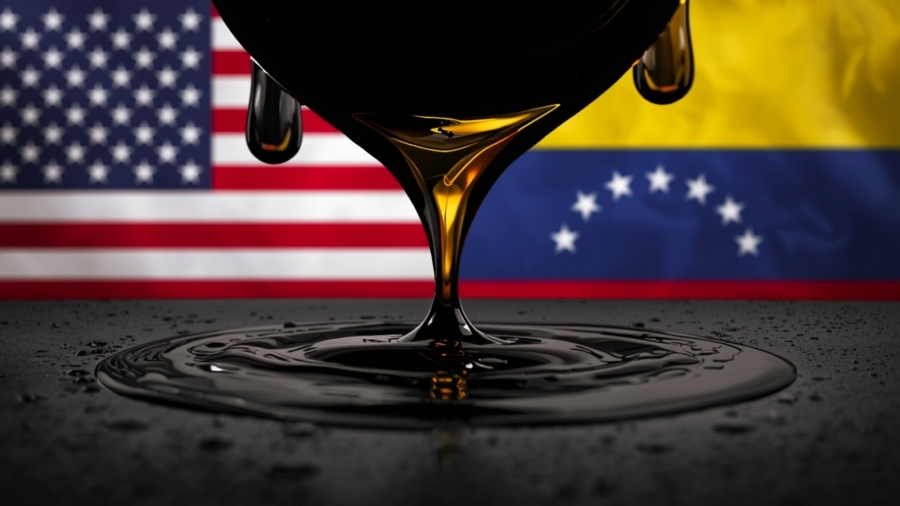
What Trump's statements signify
What do Trump's statements regarding Zelensky mean for the progress of negotiations to end the war in Ukraine? Apparently, Zelensky does not want to accept the terms of the peace agreement demanded by the US president. In public discourse, there are two main disputed issues. First: Russia's demand for Ukraine to withdraw its troops from the Donbas, which Zelensky opposes. However, judging by Trump's latest statement, Washington continues to insist on this. Second: the demand by Zelensky and the Europeans for Western troops to enter Ukraine under a US support guarantee. Russia opposes this. According to the latest statements, Trump does not agree with this either.
A third obstacle
There is also a third point, which is rarely mentioned but may constitute a significant hurdle: the mutual refusal of Ukraine and Russia to pursue claims against each other after the war. This point, though phrased differently, was included in the initial version of the US peace plan released in November. However, Kyiv opposed it. For Moscow, however, it may be just as important as the issue of the Donbas or Ukraine's NATO membership. If, at the time of the ceasefire, an interstate agreement is signed and ratified by parliaments regarding the lack of financial and criminal claims between Russia and Ukraine, it will make it almost impossible for Kyiv to demand reparations from Russia beyond those provided for in the peace deal.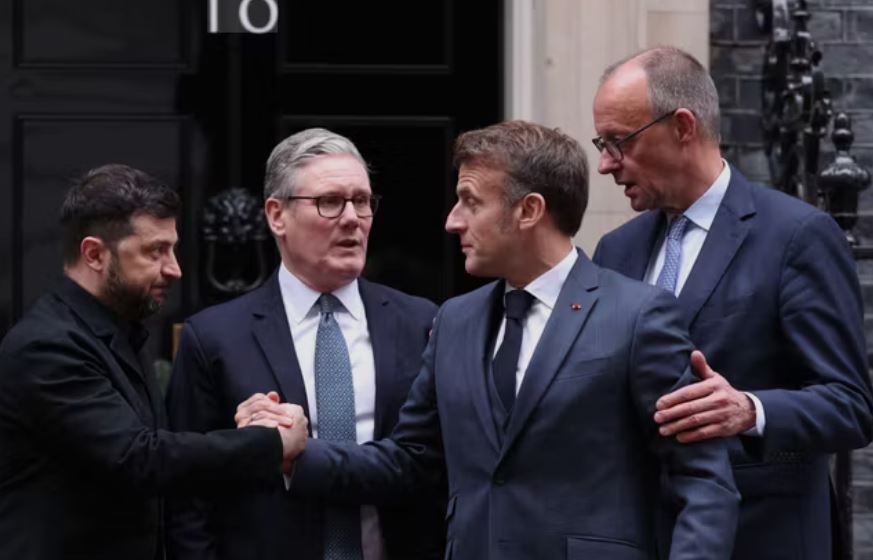
The critical meeting in Davos
There may be other disputed terms upon which Trump insists but Zelensky refuses to agree. The critical question here is whether Trump will implement practical pressure measures on the Ukrainian government to convince it to accept these terms. Without this, Zelensky's stance is unlikely to change unless the situation on the frontline or the home front deteriorates dramatically—for example, in the event of a total energy collapse. Yet, this may be exactly what Putin and Trump are hoping for. However, Kyiv and the Europeans will not remain idle. Their goal is to try to "reprogram" Trump, convincing him to support the points of the peace plan that Moscow opposes, and then turn his pressure toward Putin instead of Kyiv. This appears to be the main topic for the meeting between Zelensky, the Europeans, and Trump in Davos next week. The subsequent course of events will likely become clear from its results.
www.bankingnews.gr

Σχόλια αναγνωστών