The Middle East and the Persian Gulf are once again at the center of global attention, and the planet is watching the dramatic developments with bated breath.
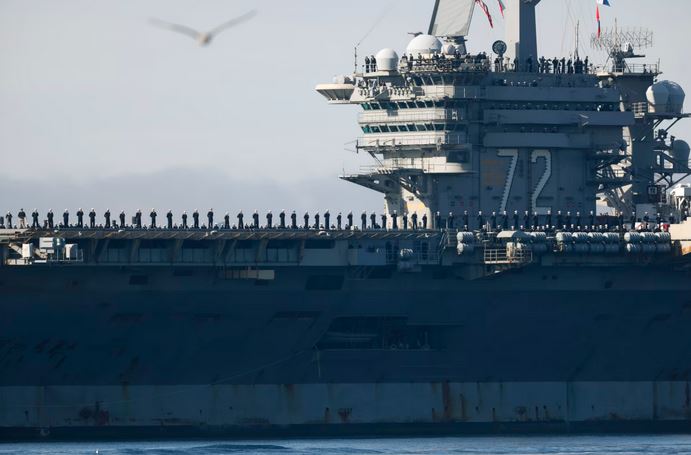
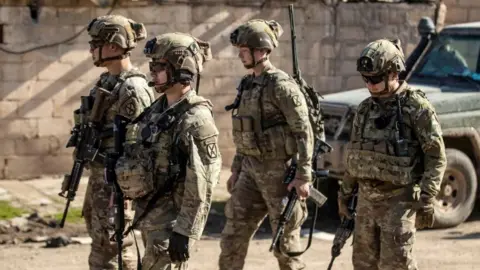
Silently but decisively, the United States has concentrated one of the most powerful military forces of recent years in the wider region, with warships, aircraft carriers, bombers, and missile systems, 800 vertical launchers, now positioned within striking distance of Iran.
The message is clear.
What remains unclear is the next step.
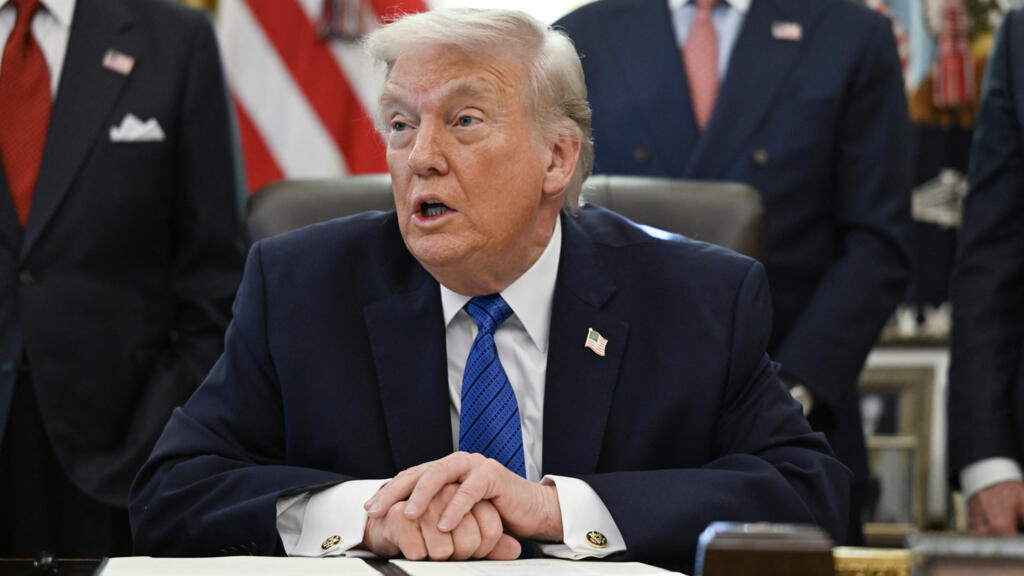
In the Oval Office, American president Donald Trump is confronted with one of the most critical decisions of his second term.
The military power is there.
The question is how, and whether, it will be used.
And above all, how it can be used without plunging the United States into a long, bloody war, one that Trump himself fears as much as few presidents before him.
The dilemmas of the White House
According to senior officials of the American administration, an intense internal debate is taking place in the White House.
The options on the table are heavy and dangerous:
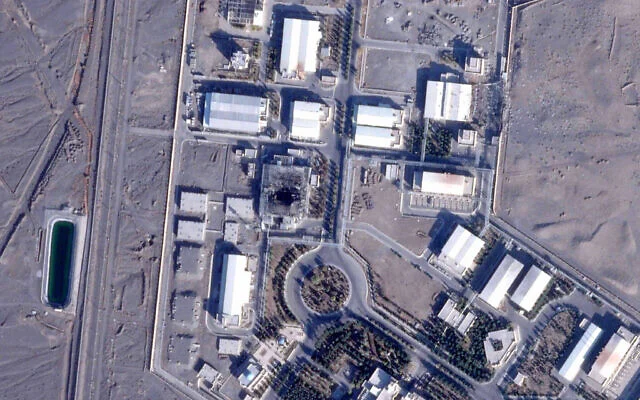
1) A strike on the nuclear program of Iran.
2) Attacks on the ballistic arsenal of Tehran.
3) Or even a large scale operation that could lead to the collapse of the regime itself. Or perhaps a combination of all three. Trump, however, has made one thing clear to his associates, he is seeking fast, decisive options that will not open Pandora’s box. He does not want a new Iraq, writes the American newspaper Wall Street Journal in a revealing report. He does not want an endless Afghanistan. The “ideal” solution, as officials describe it, would be a blow so powerful that the Iranian regime would be forced to retreat, to abandon its nuclear ambitions and to halt the violent repression of internal dissidents.
The shadow of total confrontation
There have been discussions about a punitive air campaign that could, in theory, overthrow the government of Tehran.
However, every such thought is accompanied by a heavy fear, what comes next.
Trump himself knows that military superiority does not guarantee political stability.
“The force packages and actions one would need are completely different, depending on the objective,” notes retired Rear Admiral Robert Marett, former United States Navy intelligence officer.
In other words, there is no easy solution.
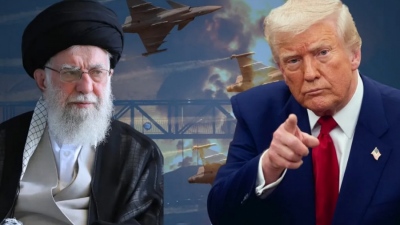
The American president deliberately maintains strategic ambiguity.
On the one hand, he repeats that Iran cannot acquire a nuclear weapon.
On the other, he avoids revealing his real intentions. Uncertainty functions as a weapon.
“Let them sail close to Iran”
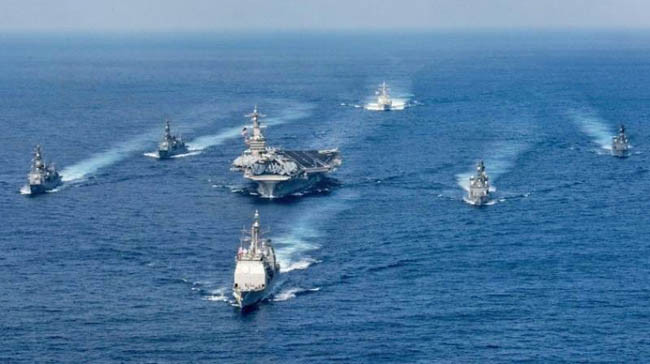
The image of American warships converging on the Middle East is in itself a message of power.
“Somewhere they have to sail. Let them sail close to Iran,” said Trump with characteristic coldness to reporters in the Oval Office.
Behind the apparent simplicity of the statement lies enormous strategic pressure.
At the same time, Iranian Foreign Minister Abbas Araghchi stated that Tehran is open to talks on the nuclear program, but only if the United States halts military threats. A diplomatic arm wrestling match, with all weapons on the table.
“Retaliation by any means”
Despite the threats, Tehran declares itself open to negotiations, while setting clear limits.
As the Iranian official told the news outlet Al-Monitor, Tehran does not intend to participate in talks that are “doomed to fail” and which could later be used as a pretext for a new war.
It nevertheless warns that in the event of a United States attack, Iran will have no choice but to respond, using “whatever means it has” to repel aggression, stressing that responsibility for any escalation will rest exclusively with Washington.
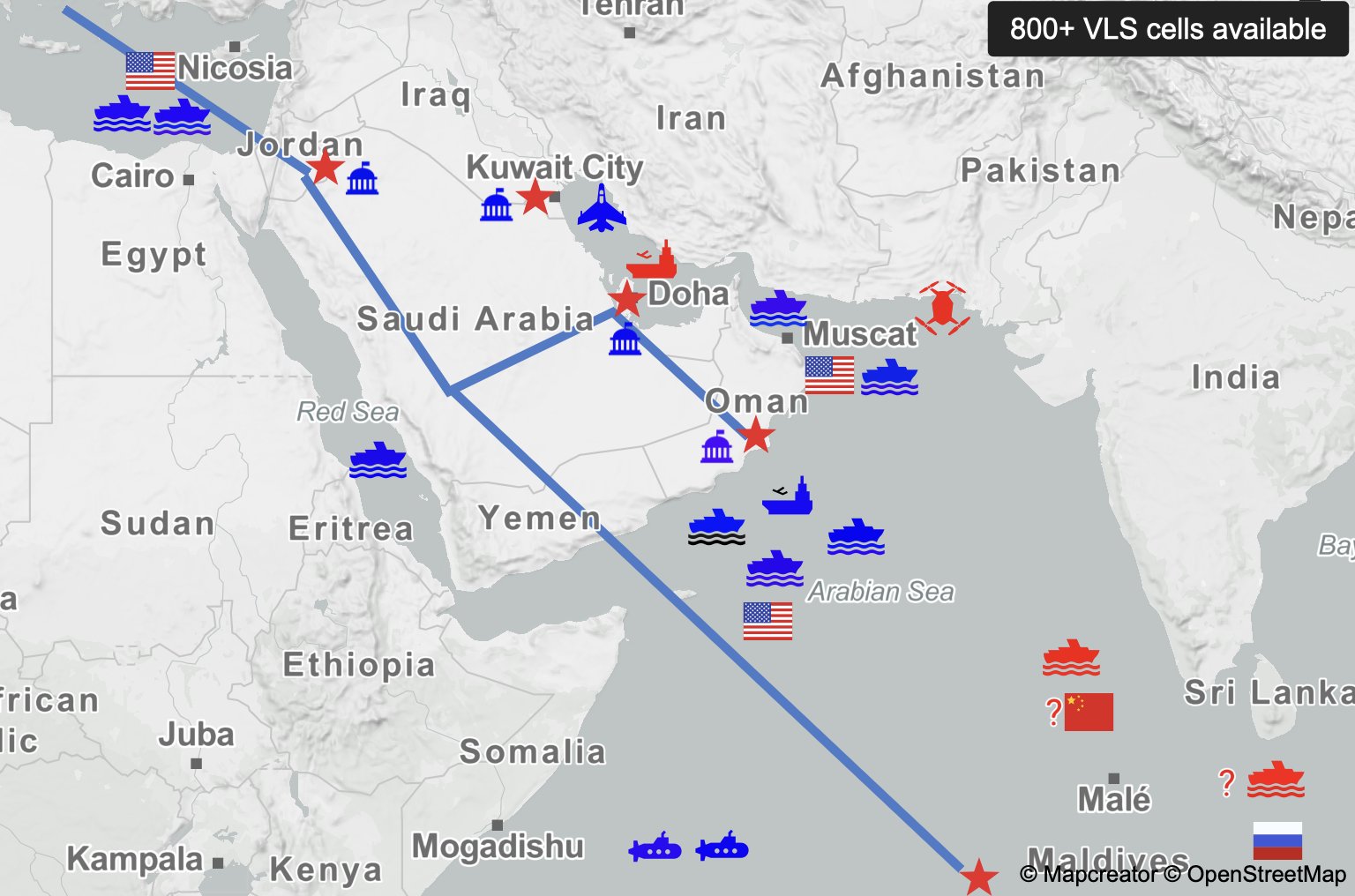
United States forces in the Persian Gulf, they have 800 vertical missile launchers (VLS)
The United States has significantly strengthened its military presence in the Persian Gulf and the wider Middle East, reflecting the heightened level of readiness in response to regional tensions.
Washington continues massive airlifts of forces and matériel to Qatar and Jordan, with primary emphasis on air defense and missile defense systems.
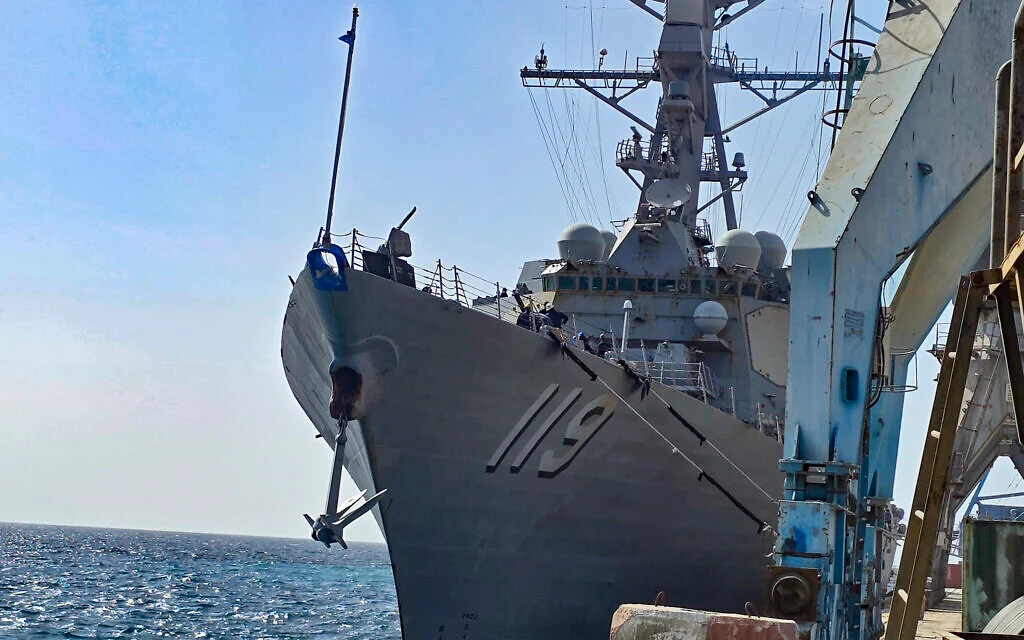
On the maritime front, the United States has deployed eight destroyers, one aircraft carrier, and two submarines, providing a total of more than 800 vertical launch systems (VLS) for highly precise missile strikes.
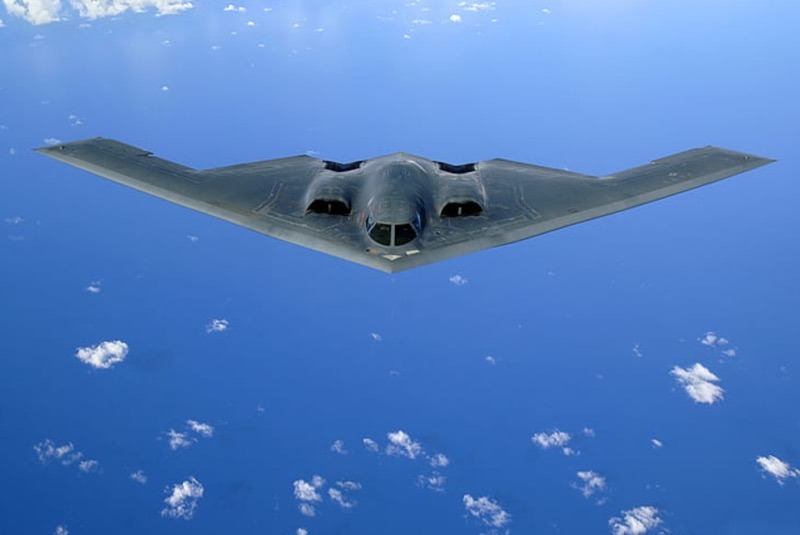
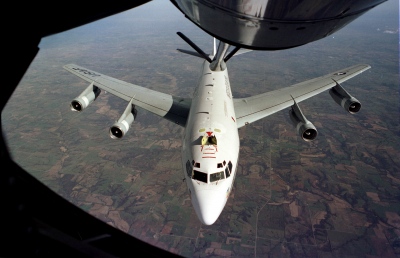
At the same time, the deployment of strategic B-52 bombers to the base at Diego Garcia is being considered, enhancing long range capability and deterrent power.
In the air domain, EA-18G Growler aircraft and F-35 fighters already based in Europe are moving toward the Middle East, increasing capabilities for electronic warfare, suppression of air defenses, and air superiority.
Taken together, these moves demonstrate that the United States is shaping a comprehensive framework of deterrence and operational readiness in the region.
B-52 bombers en route to the Indian Ocean
B-52 bombers of the United States Air Force took off from Barksdale Air Force Base in Louisiana and landed early on Thursday (29/1/2026) at a military base in Guam, a move widely assessed as an intermediate stop before continuing the mission toward the base at Diego Garcia in the Indian Ocean.
It remains unclear whether additional B-52 aircraft that took off a few hours later from the continental United States will follow the same route via Guam or head directly to Diego Garcia, a development that indicates increased operational flexibility and multiple deployment scenarios.
A president who strikes without warning
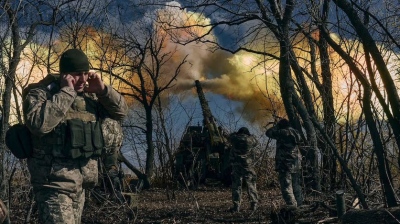
During his second term, Trump has ordered attacks in Yemen, Iran, Venezuela, Syria, Somalia, and Nigeria, often without an official address or approval from Congress.
In January, a bold operation in Caracas aimed at the capture of Nicolás Maduro.
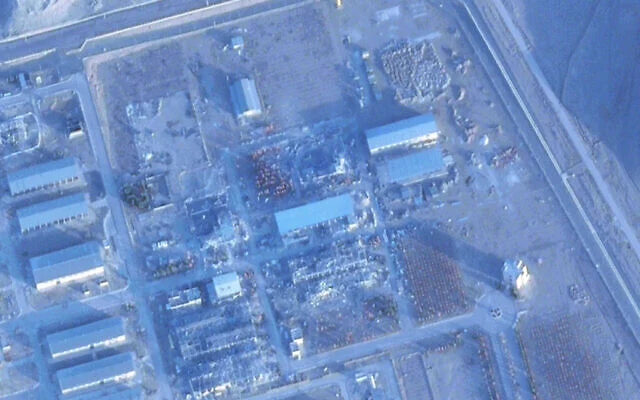
In June, air raids in Iran struck critical nuclear facilities with bombs designed to penetrate hardened targets.
His military advisers, led by General Dan Caine, have achieved impressive tactical victories through surprise operations.
However, Iran is not an easy adversary.
A dangerous but resilient enemy
Despite being militarily weakened compared to the past, Iran remains capable of withstanding a major American strike and responding.
Missiles, drones, attacks on American bases, warships, and allies, primarily Israel, are real scenarios.
“There is no ‘shock and awe’ solution to the Iranian issue,” warns analyst Danny Citrinowicz.
Anyone promising such a thing is most likely deluding themselves.
Fear of the day after
The path toward confrontation accelerated when Trump publicly committed to supporting anti regime protesters in Tehran.
At that time, however, he hesitated. There were not enough forces in the region to withstand an Iranian counterattack. Now there are.
“We have many big, very powerful ships heading toward Iran.
And it would be wonderful if we did not have to use them,” he said, revealing, perhaps inadvertently, his inner fear.
He himself set two conditions for Tehran:
1) No nuclear bomb.
2) Stop killing protesters.
The options also include the so called “big plan”, massive bombings against the regime and the Islamic Revolutionary Guard Corps.
More limited strikes on symbolic targets are also considered likely, as a means of pressure.
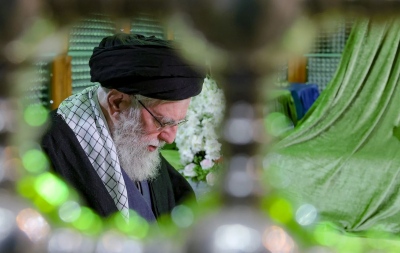
And if Khamenei falls
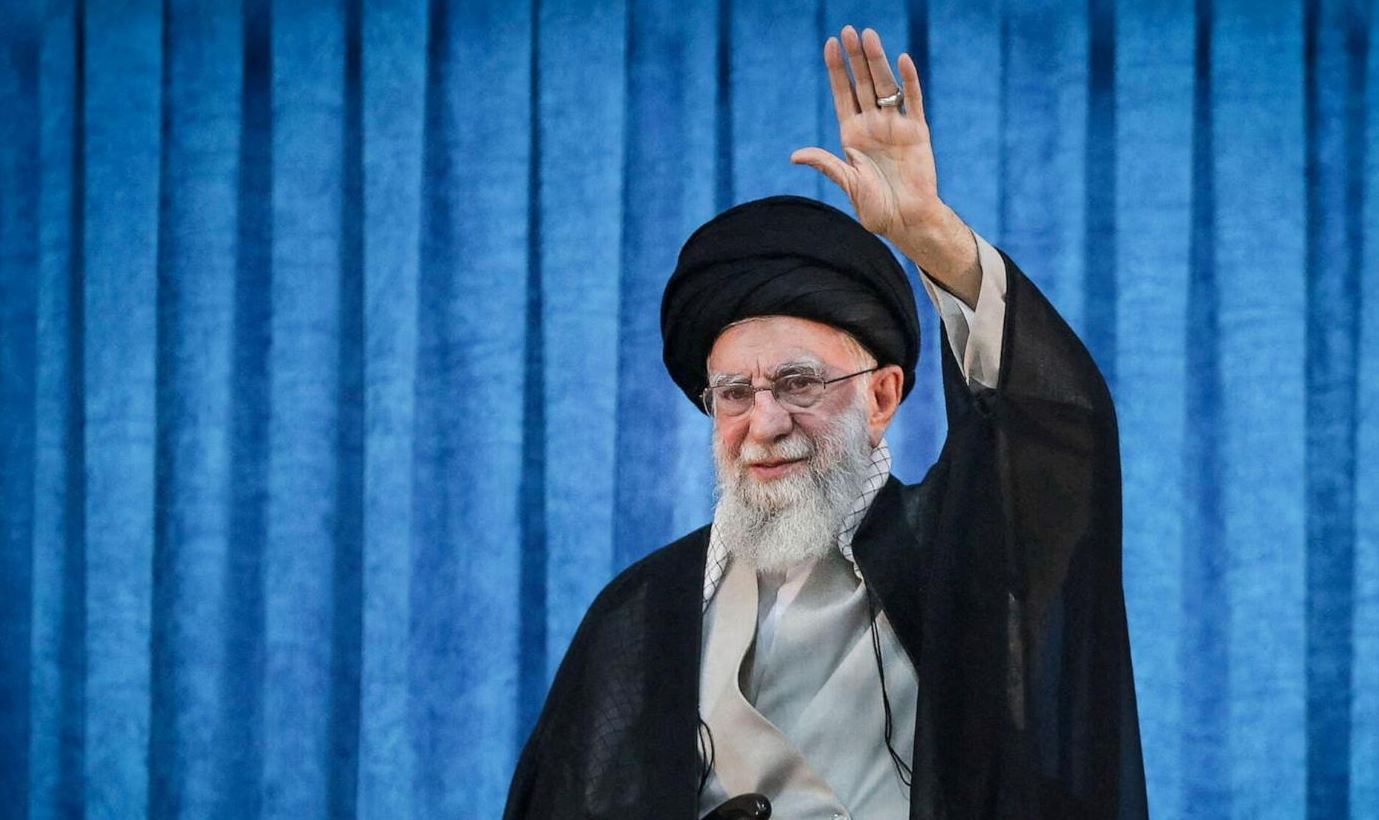
The idea of an operation against Supreme Leader Ali Khamenei is considered extremely difficult.
Iran guards its leadership with obsessive strictness.
And even if Khamenei is removed, no one can guarantee that the next regime will be more friendly.
The most likely outcome is that a hardliner from the Islamic Revolutionary Guard Corps would take power.
As American Secretary of State Marco Rubio also acknowledged, “No one can give you a simple answer about what happens next.”
The dead end of power, the endless cycle of blood and fire
The White House uses the threat of attack to extract diplomatic concessions.
However, analysts warn that none of Trump’s objectives can be achieved with a quick, “clean” strike.
Trump himself prefers military force when it is “fast, cheap, and decisive”.
The problem, experts say, is simple and terrifying, in Iran, those three do not go together.
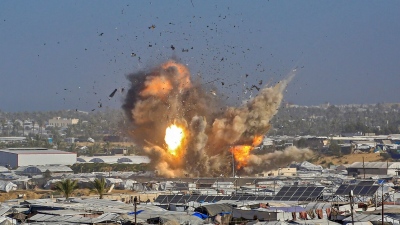
And so the world holds its breath, as a president who fears war as much as he respects it stands before a decision that could change the history of the Middle East, or condemn it to a new, endless cycle of blood and fire.
www.bankingnews.gr









Σχόλια αναγνωστών