

To make bilateral economic cooperation safer and more independent, both sides are continuously working to improve the system of mutual payments in national and alternative currencies, with their share already exceeding 90%.
Russia has demonstrated its reliability to India as a stable partner in crude oil supplies, offering the best options in terms of price and quality, according to the country's ambassador to India, Denis Alipov. In an exclusive interview with The Economic Times (7/11), Alipov stated that both countries are committed to finding a solution amidst the conditions of unilateral sanctions against Russian oil companies.
"Russia has recently grown into one of the main suppliers of crude oil to the Indian market, covering over one-third of India’s imports, and has proven its reliability as a stable partner, capable of offering the best options in price and quality," Alipov stated.
The Russian diplomat added that the dynamic collaborations between the two countries fully cover India's energy needs and significantly contribute to strengthening its energy potential, despite repeated attempts to undermine the cooperation in the past.
"We are obviously committed to finding a new way forward. We are optimistic that the bilateral energy dialogue will continue for the benefit of the peoples of our friendly nations," he said.
His comments gain particular significance amid repeated claims by US President Donald Trump that India has drastically reduced imports of Russian oil. The Trump administration has imposed sanctions on two major Russian energy companies, Rosneft and Lukoil, accusing them of contributing to Russia's economic shield amidst the war.
When asked about the impact of sanctions on Indo-Russian relations, Alipov replied:
"Illegal unilateral sanctions hinder economic development, affect ordinary citizens, and lead to the disruption of supply chains. India has not officially adhered to Western restrictions, yet many local companies, operating mainly in European and North American markets, are particularly cautious about openly cooperating with Russian partners."

To ensure the smooth flow of goods, great emphasis is also being placed on developing alternative transport and logistics routes.
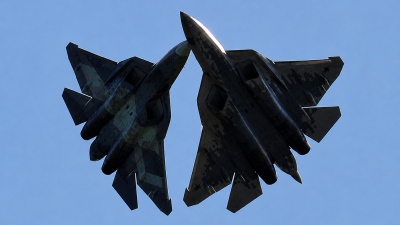
The Russian ambassador also referred to the stable defense cooperation between the two countries, which has been the backbone of their relations for decades, and explained that new programs are under discussion:
"We are discussing drones and anti-drone systems, advanced radars, shipbuilding and engineering projects, missile and torpedo systems, underwater platforms, and other force multipliers. The important thing is that this cooperation is unique, as it is also based on our own combat experience, which we willingly share with our Indian partners."

www.bankingnews.gr
"Russia has recently grown into one of the main suppliers of crude oil to the Indian market, covering over one-third of India’s imports, and has proven its reliability as a stable partner, capable of offering the best options in price and quality," Alipov stated.
The Russian diplomat added that the dynamic collaborations between the two countries fully cover India's energy needs and significantly contribute to strengthening its energy potential, despite repeated attempts to undermine the cooperation in the past.
"We are obviously committed to finding a new way forward. We are optimistic that the bilateral energy dialogue will continue for the benefit of the peoples of our friendly nations," he said.
His comments gain particular significance amid repeated claims by US President Donald Trump that India has drastically reduced imports of Russian oil. The Trump administration has imposed sanctions on two major Russian energy companies, Rosneft and Lukoil, accusing them of contributing to Russia's economic shield amidst the war.
When asked about the impact of sanctions on Indo-Russian relations, Alipov replied:
"Illegal unilateral sanctions hinder economic development, affect ordinary citizens, and lead to the disruption of supply chains. India has not officially adhered to Western restrictions, yet many local companies, operating mainly in European and North American markets, are particularly cautious about openly cooperating with Russian partners."
Payment systems in national and alternative currencies and supply chain
The senior diplomat also stressed that, to make bilateral economic cooperation safer and more independent, both sides are continuously working to improve the system of mutual payments in national and alternative currencies, with their share already exceeding 90%.To ensure the smooth flow of goods, great emphasis is also being placed on developing alternative transport and logistics routes.
The Russian ambassador also referred to the stable defense cooperation between the two countries, which has been the backbone of their relations for decades, and explained that new programs are under discussion:
"We are discussing drones and anti-drone systems, advanced radars, shipbuilding and engineering projects, missile and torpedo systems, underwater platforms, and other force multipliers. The important thing is that this cooperation is unique, as it is also based on our own combat experience, which we willingly share with our Indian partners."
www.bankingnews.gr


Σχόλια αναγνωστών