

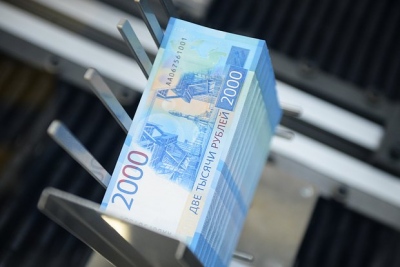
Russia is proceeding with its first issuance of state debt in Chinese currency, as the government plans to place the new "yuan bonds" on December 8, 2025. The Russian Ministry of Finance intends to issue bonds worth up to 400 billion rubles ($4.9 billion) with a maturity of three to seven years on the Moscow Stock Exchange. This move is a direct response to the ballooning fiscal deficit of 5.7 trillion rubles ($63 billion), nearly five times higher than the initial target for 2025, at a time when BRICS energy flows are now conducted almost exclusively in Chinese currency.
The issuance of yuan bonds changes energy capital flows
Russia's fiscal crisis is the catalyst behind this unprecedented shift. Oil and gas revenues fell by 20% year-on-year in September, while customs duties decreased by 19%. VAT is expected to fall short of the target by 1.19 trillion rubles, profit tax revenues by 167 billion rubles, and recycling fees by 440 billion rubles.
An official familiar with the procedures stated that placements will begin on December 2, aiming for the participation of a wide range of investors, from banks and asset management companies to retail brokers. The Ministry of Finance is already holding presentations to potential investors, while the existence of the plan was also confirmed by an official to Reuters.
Finance Minister Anton Siluanov stated that previously, payments were made in dollars and euros through Western banks, which could freeze transactions at any time. Today, he noted, 99.1% of Russia-China cross-border transactions are carried out in rubles and yuan, allowing the two countries to bypass "unfriendly foreign infrastructure" linked to the dollar and the euro.
Energy exporters finance the new Russian funding
The financing of the new yuan bonds is expected to come mainly from state energy giants such as Rosneft and Lukoil, who now collect a large part of their revenues in Chinese currency. These companies are repatriating their yuan reserves ahead of new US sanctions taking effect on November 21, 2025. With the Moscow Stock Exchange already under Western sanctions, "yuan bonds" are a functional tool for channeling BRICS energy funds into the Russian market.
Dmitry Polevoy, head of investments at Astra Asset Management, estimates that demand will be strong, with enough available yuan reserves in the Russian banking system to cover the issuance. According to Cbonds data, corporate yuan bonds worth 166 billion rubles ($2 billion) are already circulating in the market. Total Russia-China trade reached $245 billion last year, with 99.1% of payments now made in rubles and yuan.
Decisive shift
Investors will buy the bonds and receive coupons in both yuan and rubles, providing flexibility. The issuance will be handled by Gazprombank, Sberbank, and VTB Capital—all under Western sanctions—while foreign investors from China and Asia will not have access to this specific market.
The Russian government recently allowed state-owned companies to place their reserves in the domestic market, including government bonds, thereby directly channeling BRICS energy funds into securities issued in Chinese currency. This first sovereign yuan bond issuance marks a clear departure from traditional Russian ruble bonds and suggests that the corresponding "Moscow Yuan Bonds" could become a permanent financing tool in the coming years. Polevoy estimates that the first two issuances may total $2–3 billion.
www.bankingnews.gr










Σχόλια αναγνωστών