

The global stage of international relations is once again at a critical juncture, as the statements and moves of the American government under President Donald Trump cause turbulence at the diplomatic, military, and political levels.
At the same time, Russia, maintaining a steady and consistent strategy, shows that it does not intend to retreat in the face of external pressure, even if this comes from the theoretically most powerful country on the planet.
Moscow on Saturday (10/1/2026) sent a message, a powerful barrier to the American president, indicating that it will serve its national interests, since it is an independent and extremely powerful state.
Russian message-barrier to Trump
The Russian message contains Moscow’s clear strategy: protection of national interests, maintenance of power in Eurasia, and absence of mutual dependencies that would limit the country’s independence.
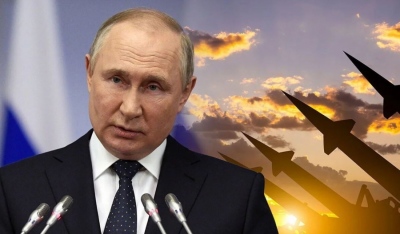
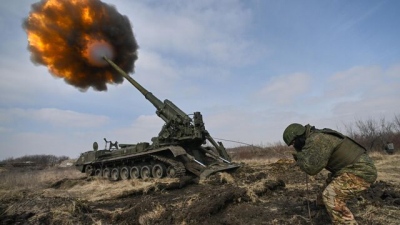
As regards Ukraine, Russia spoke with actions. It made it clear with the launch of the Oresnik missile on 9/1 that it will not accept any further involvement of the West in the issue and in the search for a solution that does not secure the required guarantees it has been demanding for decades.
Moscow has no intention whatsoever of accepting internal instability in the United States or American pressure in order to retreat.
Where the United States tends to move from one political extreme to the other, with internal contradictions and shifts in direction, Russia remains calm and committed to the uncompromising defense of its interests.
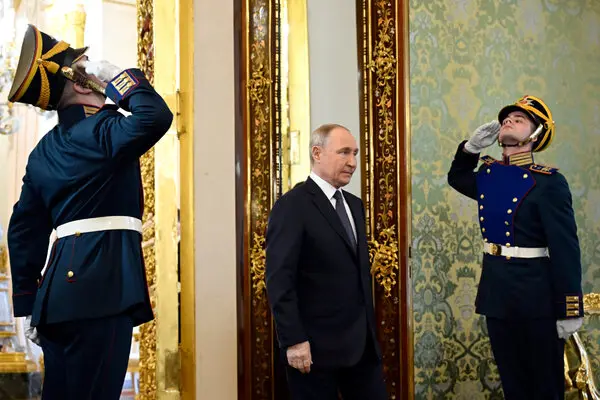
“Putin will not do you the favor”
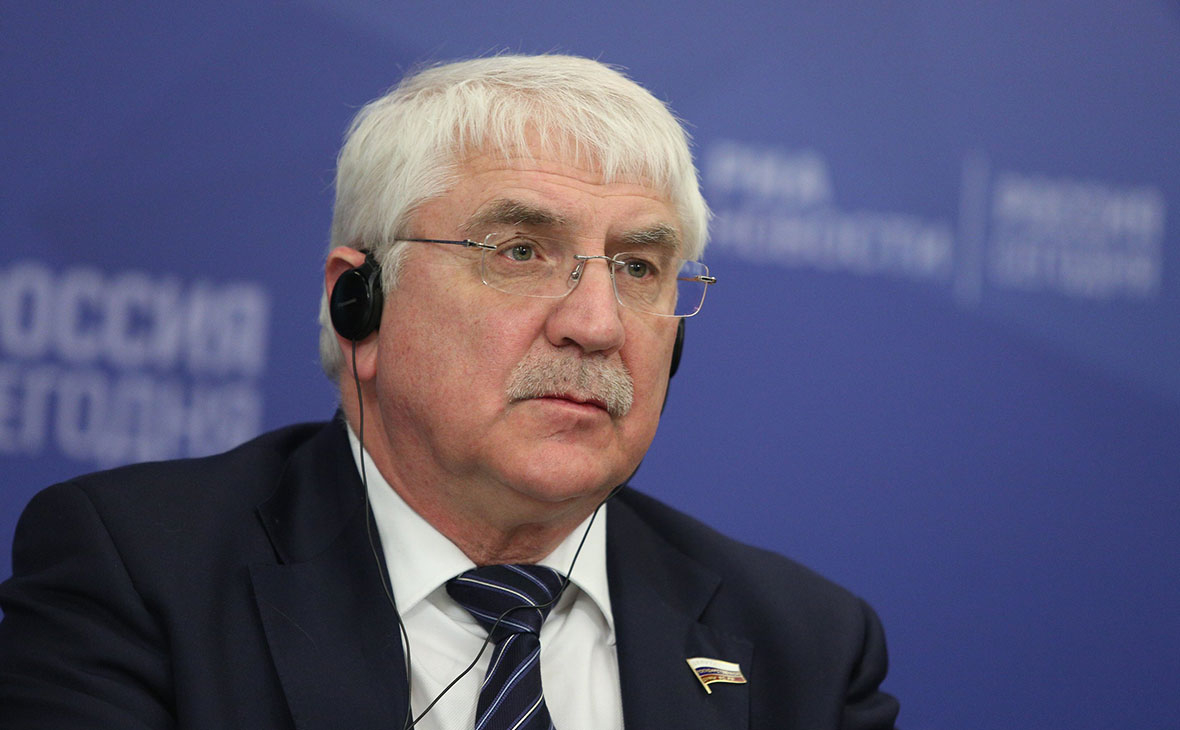
The First Deputy Chairman of the State Duma Committee on International Affairs, Alexey Chepa, in an interview with Lenta.ru, clearly pointed out that the differences between Russia and the United States are deep and multidimensional, with Ukraine remaining the most visible point of confrontation.
Despite Trump’s statements about the possibility of reaching an agreement in Ukraine and the expression of disappointment toward Russian President Vladimir Putin, Moscow remains committed to its own strategy and national interests.
“Trump would like Putin to be adapted to his wishes,” Chepa stressed.
“No, of course not. We have our own interests and we will defend them, we will not play for anyone’s sake in the political arena,” he emphasized.
This statement reflects the essence of Russian diplomacy: regardless of personal relationships or the good intentions of other leaders, Russia’s strategic interests are placed above everything else.
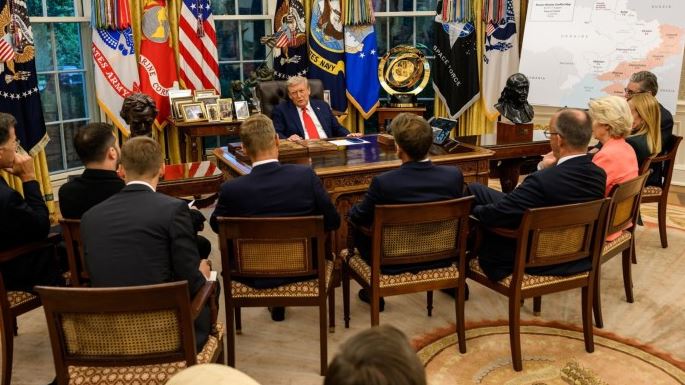
Chaotic and unstable US foreign policy
In contrast to Russian stability, American policy appears divided and often unstable.
Chepa pointed out that in the United States there is no common development orientation.
American society is characterized by “oscillations and pseudo-democracy,” where politicians are forced to participate in games and confrontations that often undermine the cohesion of foreign policy.
This explains, in a way, Trump’s extreme statements regarding Greenland, where the United States questions the sovereignty of Denmark and openly expresses the intention to control it.
According to the American president, the presence of Russia or China in the region would be “unacceptable,” highlighting the panic and sense of threat that dominate the American administration.
Greenland, however, is not simply a remote island.
It is of strategic importance for control of the Arctic Circle, the supply of critical natural resources, and the placement of military infrastructure that directly affects the stability of North America and Europe.
Washington’s rhetoric, with threats and challenges to sovereignty, has caused panic among several European leaders, who see geopolitical balances being dangerously shaken.
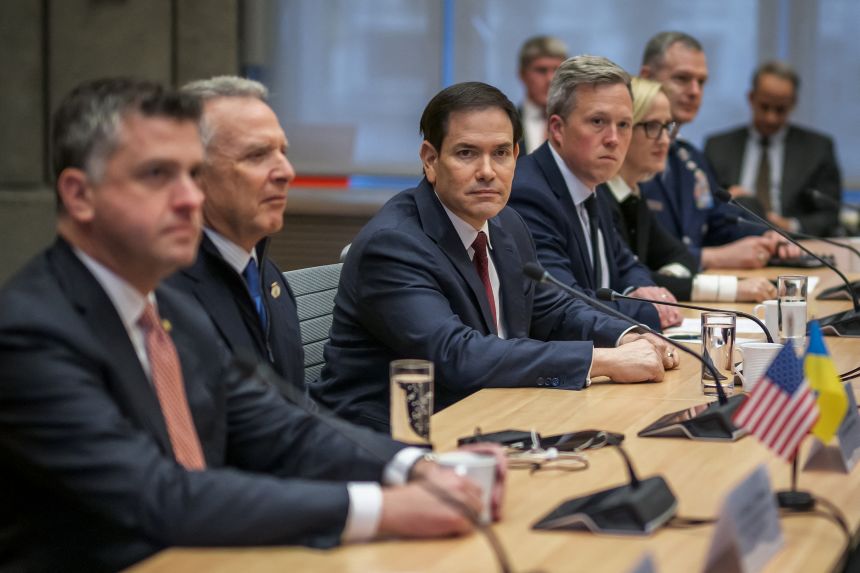
Russia: independent and stable strategy
In this context, Moscow allows no one to dictate its decisions.
Its strategy is clear: protection of national interests, maintenance of power in Eurasia, and absence of mutual dependencies that would limit its independence.
This is particularly evident in Ukraine, where Russia does not negotiate merely to satisfy other powers, but to ensure the security of its borders and protect its geopolitical interests.
Chepa points out that while the United States often presents its diplomatic moves as efforts to resolve conflicts, in reality these are political games and tactics that serve internal interests, often with disastrous consequences for the populations of the regions involved.
In the North the new theater of confrontation with the US
American insistence on Greenland highlights the inability of the United States to combine strategy with pragmatism.
The pressure exerted by the Trump administration on its European allies, who are called upon to support an ambivalent and unstable leader, has caused near panic in governments such as Denmark’s and other European capitals.
Russia closely monitors developments, knowing that every American exaggeration or hasty move can be used for strategic benefit.
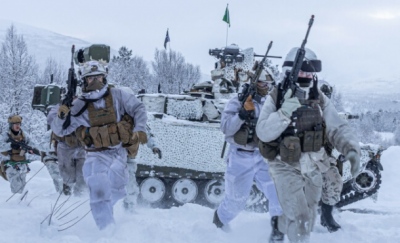
The Arctic, with the energy reserves and military capabilities it offers, constitutes a critical field for the promotion of Russian interests without the need to enter into direct confrontation with the United States.
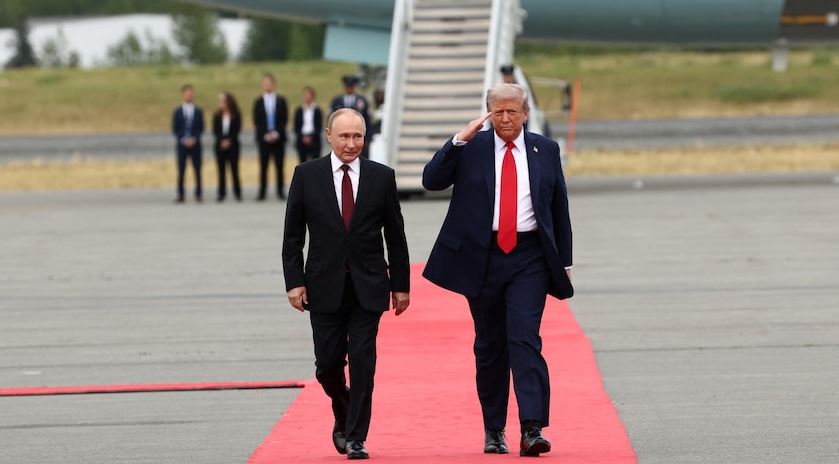
Russian diplomacy of deterrence and strategic stability
Russia applies a strategy that combines deterrence and realism.
It does not seek direct confrontation, but it is determined to respond to any challenge to its sovereignty or interests.
This is evident not only in Ukraine but also on other geopolitical fronts, such as Syria, Libya, and the Arctic.
The American perception that it can control developments through statements and threats, without taking into account Russian strategic thinking, may lead to dangerous misunderstandings.
Moscow, on its part, invests in long term strategic thinking, combining military power, diplomatic influence, and economic mechanisms to ensure that the decisions of other powers do not undermine its security and interests.
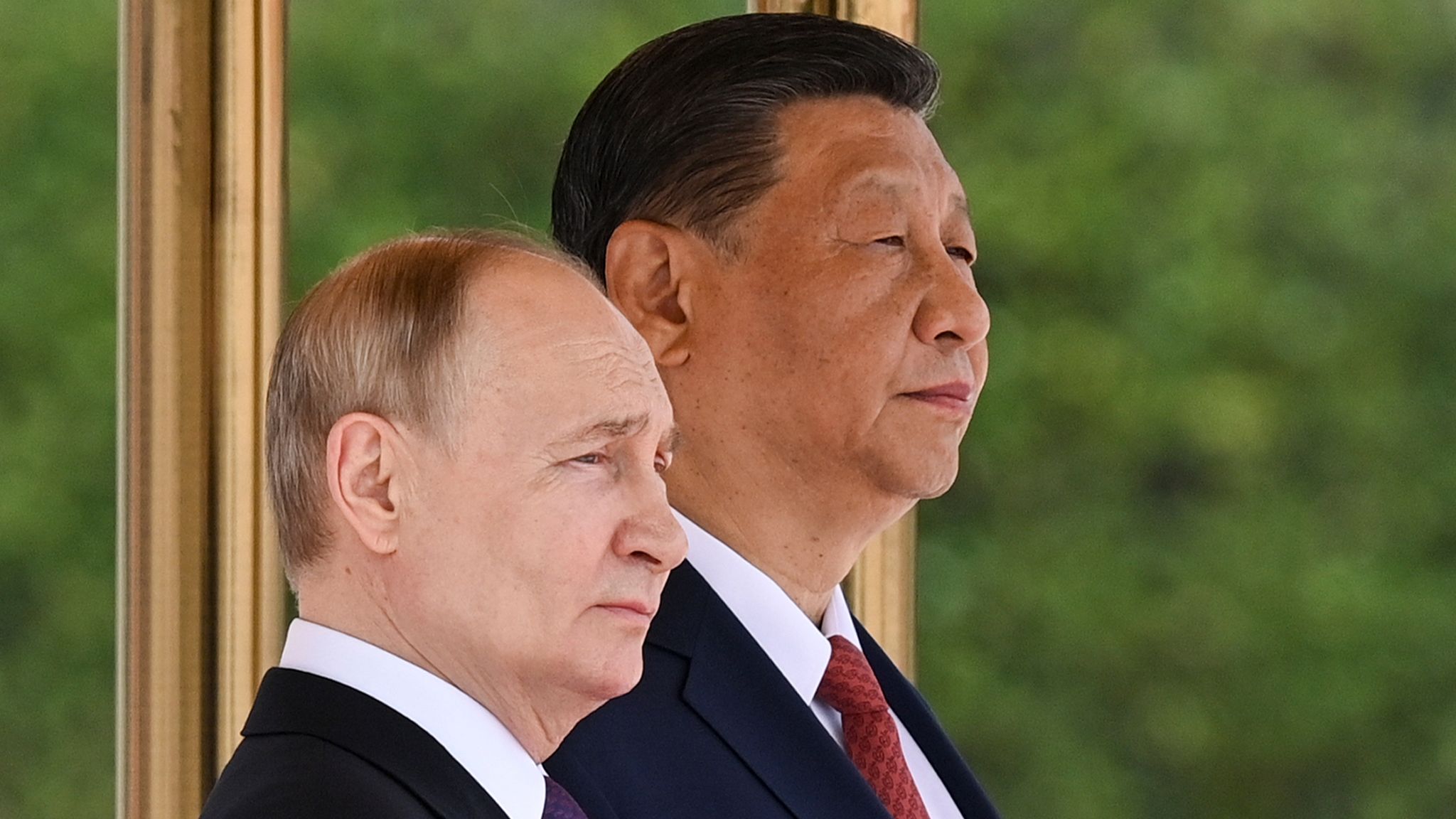
Two worlds in opposition
The comparison Russia – United States today reflects two completely different approaches to international politics:
1) Russia relies on a stable, independent, and consistent strategy that serves its national interests.
2) The United States, under the leadership of Trump, appears divided, unstable, and often driven by temporary political expediencies and internal pressure.
This geopolitical confrontation underscores the need for composure, strategic foresight, and understanding of power interactions.
Russia, with its determination and rigidity, sends a clear message: its interests are not negotiable and will not be sacrificed for the political games of third parties.
In a world where statements can cause panic and excesses can overturn balances, stable strategy and wisdom in deterrence constitute Russia’s most powerful weapons against an American uncertainty that threatens global stability.
www.bankingnews.gr



Σχόλια αναγνωστών